
Last updated November 22, 2026
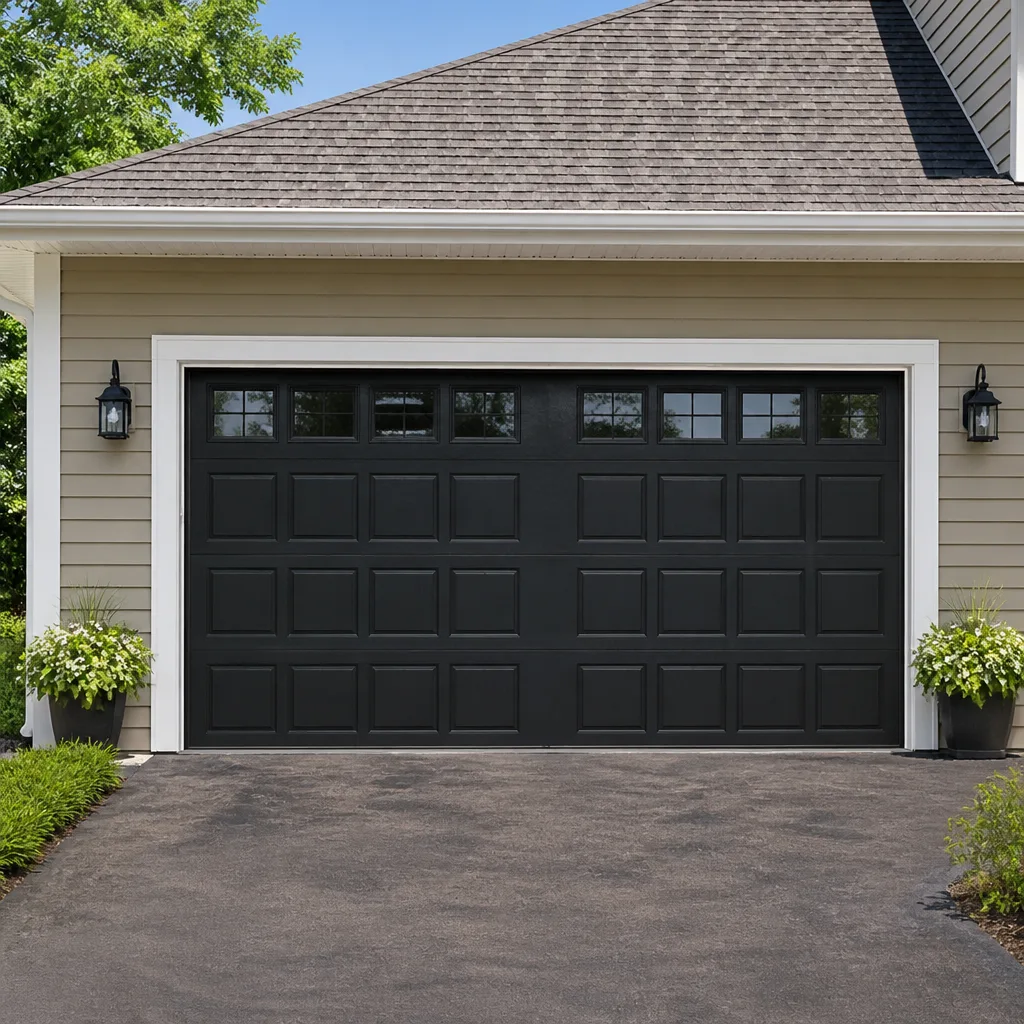 Raised-panel steel
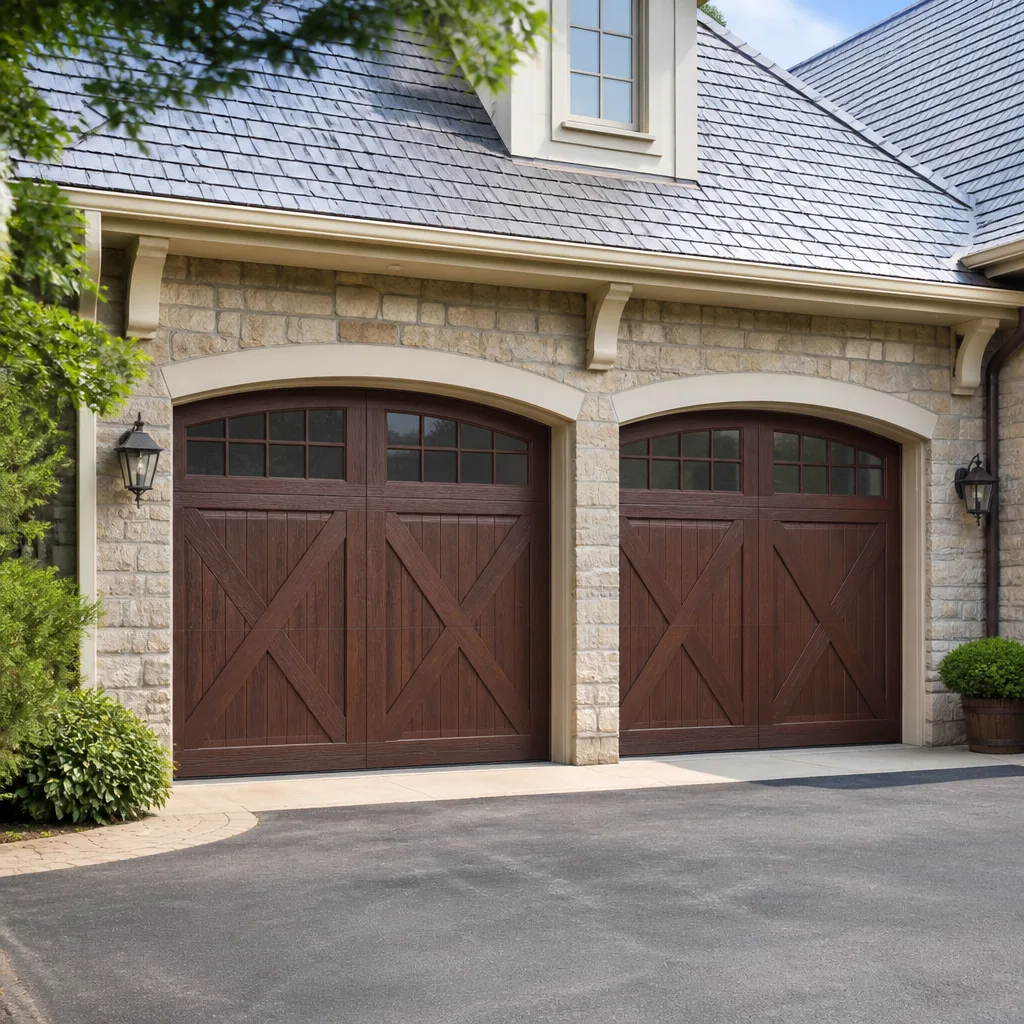 Carriage house
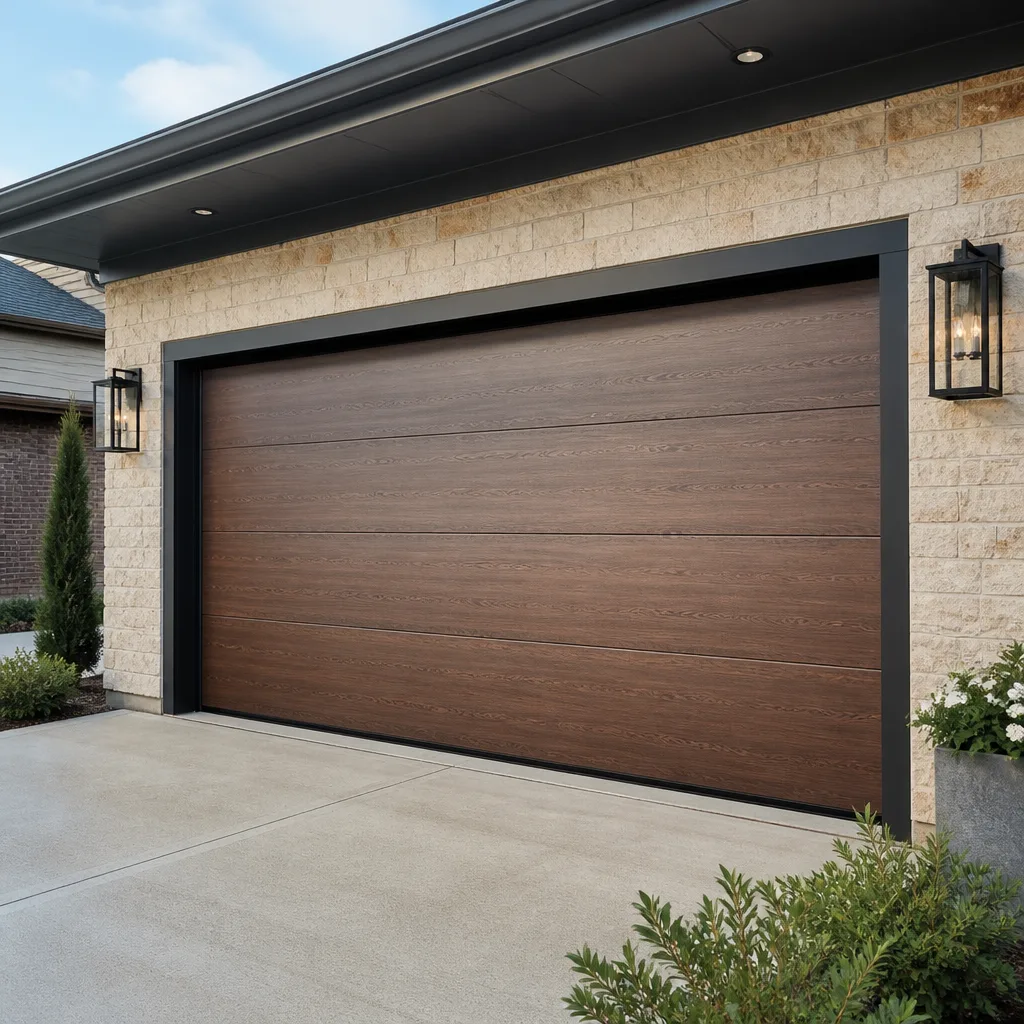 Modern flush
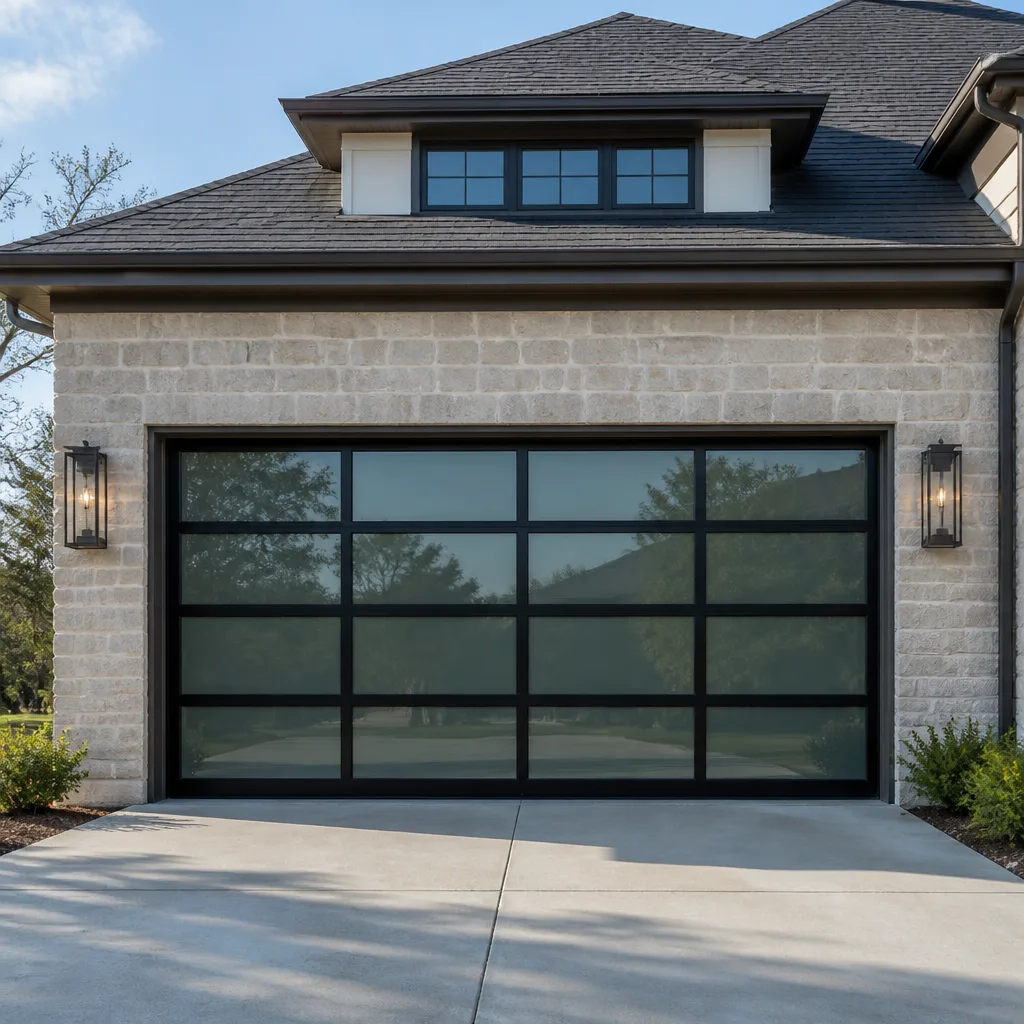 Full-view glass
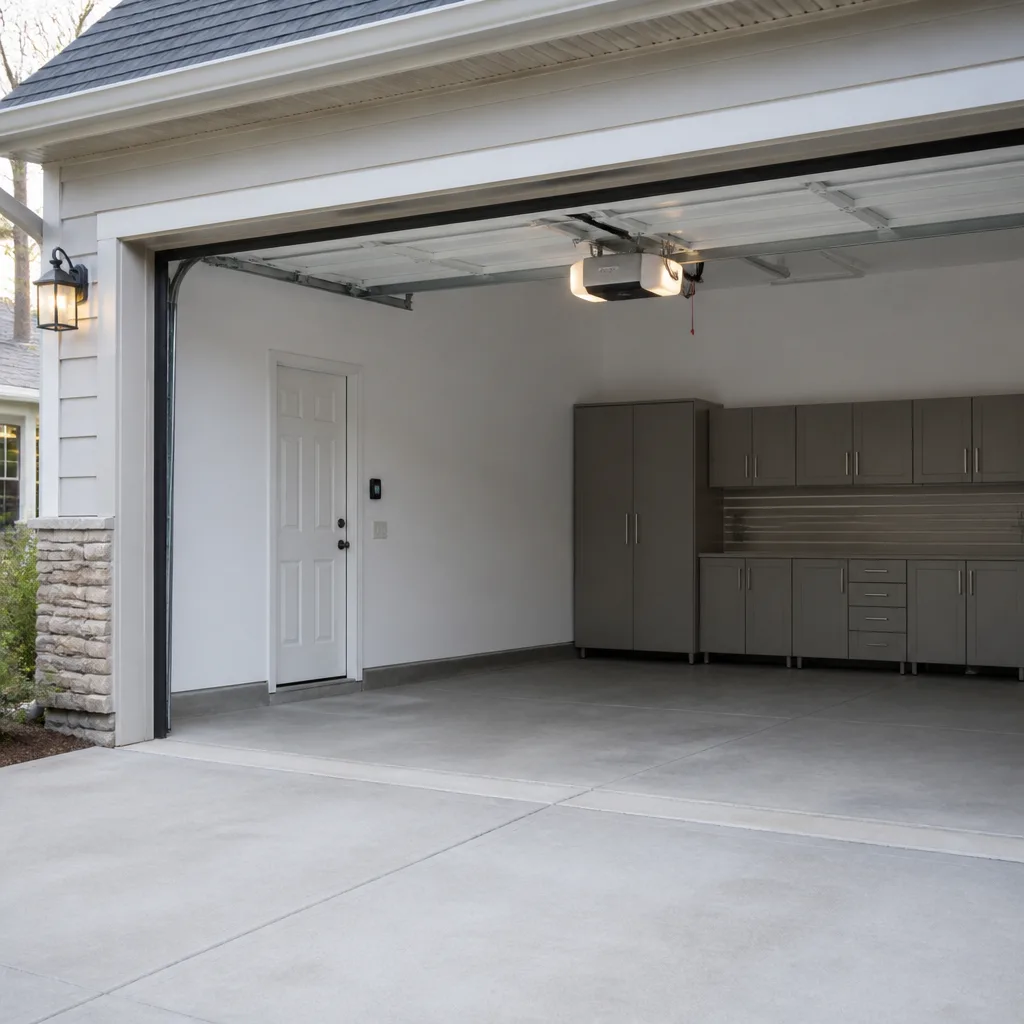 LiftMaster openers
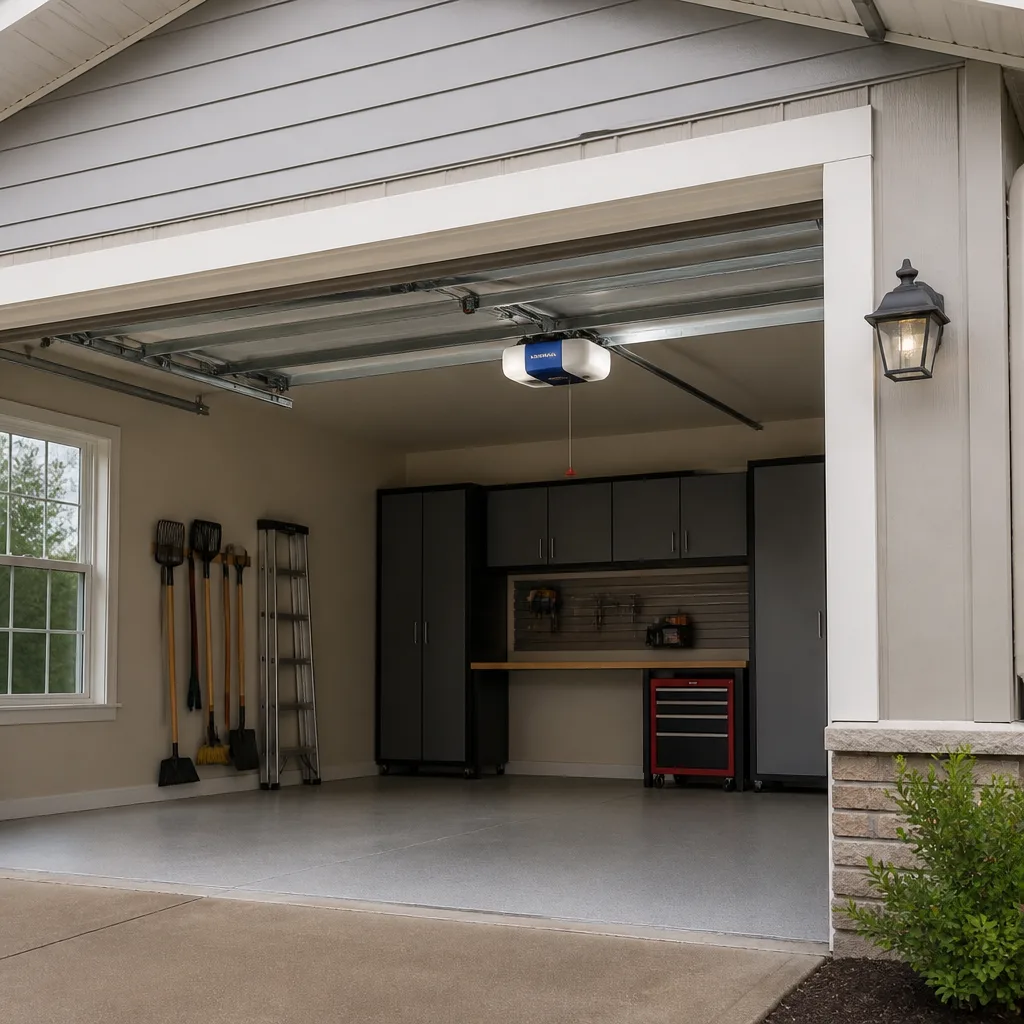 Chamberlain openers
Full 25-point door and opener safety check with every visit - springs, cables, rollers, tracks, and your LiftMaster or Chamberlain opener included
You get a price before we start. It does not change when the pro arrives.
Get your free estimateChoosing the Right Garage Door Brand: A Buyer’s Guide for Haverhill
The most-advertised garage door brand in New England isn’t necessarily the one with the best local parts availability. And when a spring lets go on a cold Sunday in January, parts availability matters more than the name stamped on the panel. Plenty of brand guides are written by dealers who carry one line, so they measure everything else against what they sell. We don’t carry a single line. We repair and install doors and openers from LiftMaster, Chamberlain, Genie, Clopay, Amarr, Wayne Dalton, Craftsman and Raynor, which gives us a different view of what actually holds up in Haverhill. This guide covers the criteria marketing brochures skip: steel gauge, spring and roller compatibility, insulation, and how easy a brand is to service years from now.
Quick Answer
For most Haverhill homes, the best garage door brand is the one whose panels, springs, rollers and opener parts you can actually get serviced locally, not the one with the biggest ad budget. A well-constructed steel door from Clopay, Amarr, Wayne Dalton or Raynor, matched to a LiftMaster, Chamberlain, Genie or Craftsman opener, will outlast a fancier name with hard-to-source hardware. Pick the brand your local technician can maintain, not just the one the showroom pushes.
Styles & brands we work with
- Raised-panel steel
- Carriage house
- Modern flush
- Full-view glass
- LiftMaster openers
- Chamberlain openers
Table of Contents
- Why a Brand-Agnostic View Changes the Answer
- The Criteria That Actually Matter
- Parts Availability: The Question Nobody Asks
- Premium vs. Mid-Tier: What You’re Really Paying For
- How to Judge Long-Term Serviceability Before You Buy
- Why Brand Loyalty From Your Last House Can Mislead You
- Questions to Ask Any Dealer or Installer
- What Haverhill Homeowners Should Weigh
Why a Brand-Agnostic View Changes the Answer
Most brand comparisons you’ll read online come from dealers who stock a limited number of lines. Their comparison table isn’t neutral: it’s a sales tool that benchmarks the brands they carry against the ones they don’t. That’s fine for them, but it makes for a poor buying guide if you want the truth about what will still be serviceable in a decade.
A brand-agnostic technician looks at a garage door the way a mechanic looks at a car. The logo matters far less than the construction, the wear parts and whether replacement components are easy to get. We work on eight major brands, so we’re not tied to any single one and we have no reason to steer you toward a name. When we tell a Haverhill homeowner that their existing door is worth repairing rather than replacing, that advice comes from what we see in the field, not from what we happen to sell.
That perspective matters especially in a market like Haverhill, where the housing stock runs from older triple-deckers and capes near the downtown to newer construction out toward the city’s edges. A door brand that suits one type of home and one generation of opener may be a poor fit for another. If you want the full picture of how a failing door gets diagnosed and fixed, our garage door repair page walks through the process.
Here’s the short version of our position: brand is a starting filter, not the deciding factor. Material, construction grade and parts availability decide whether you’ll be happy with a door five years from now. Use the brand name to narrow the field, then judge the door on the things below.
The Criteria That Actually Matter
Marketing materials talk about curb appeal and color options. Those matter, but they’re not what keeps a door working through a New England winter. Here’s the criteria we think every Haverhill buyer should weigh before signing anything.
Steel Gauge and Construction
Steel door panels are measured in gauge, and lower numbers mean thicker steel. A thicker gauge resists dents, holds its shape better and usually comes with better reinforcement at the hinges and struts. Cheaper doors use thinner steel that dents from a stray basketball and flexes with temperature swings. Ask what gauge the panel is, and ask whether the sections are made with the same gauge throughout or only on the outer skin.
Insulation and Thermal Consistency
An insulated door helps keep an attached garage from turning into a freezer in a Massachusetts winter, and it also keeps the room above it warmer. What the brochures don’t say is that insulation consistency varies between brands. Some doors use a full-width insulated core; others use panels with gaps or lower grade fill. Ask how the insulation is applied and whether it fills the entire section, not just the middle. For an attached garage in Haverhill, insulated sections are usually worth the extra cost.
Roller and Spring Compatibility
The wear parts are what you’ll replace first: springs, rollers, cables, hinges. A door brand that uses standard, widely available torsion springs and standardized roller hardware will be cheaper and faster to service. A brand with a proprietary spring or an unusual hardware line can leave you waiting on a factory order. This is the single most overlooked criterion in most buying guides.
Finish and Weather Seals
Haverhill sees real seasonal range, from humid summers to freezing winters, and a door’s finish and bottom seal take the brunt of it. Look for a factory-applied finish with a warranty, and confirm the bottom seal and perimeter weatherstripping are replaceable separately. A door that only sells as a complete assembly is harder to keep sealed over time.
Parts Availability: The Question Nobody Asks
Before you commit to a brand, ask the installer one question: if a spring or roller fails two years from now, can you source the replacement locally, or will you need to order from the factory? The answer tells you more about your long-term cost than the door’s color or the showroom display.
In our experience, the brands with the most reliable regional parts networks tend to be the ones that are widely installed: Clopay, Amarr, Wayne Dalton and Raynor for panels, and LiftMaster, Chamberlain, Genie and Craftsman for openers. That’s not a knock on smaller brands. It’s just that a widely installed brand means more technicians carry its parts and more suppliers stock them.
Some brands have changed or discontinued hardware lines over the years. When that happens, homeowners with those doors can end up stuck: a spring bracket or hinge no longer matches anything on the shelf, and the fix becomes a special order with a wait. Ask any installer how they’d source parts for your specific model, and a good one will have a straightforward answer.
This is where being able to repair and service multiple brands pays off for the homeowner. If your door is a brand we know and can source parts for, we can usually keep it running. If you’re dealing with a discontinued line, we’ll tell you honestly whether repair makes sense or whether it’s time to consider a replacement. Our technicians have up to 8 years of experience working across these systems, and we’ve learned which parts are easy to get in this region and which aren’t.
Premium vs. Mid-Tier: What You’re Really Paying For
The price gap between a premium door and a mid-tier one is usually bigger than the real difference in durability. A lot of what you pay for at the top end is design, finish options and brand name, not a longer service life. Here’s how the honest comparison breaks down between the premium names and the solid mid-tier alternatives.
Where Premium Brands Earn the Money
- Better steel and hardware: Premium lines from Clopay, Amarr and Wayne Dalton often use heavier gauge steel and more robust hinges and struts, which translates to fewer dents and less flex over time.
- Consistent insulation: Higher-end doors tend to have full-width insulated cores with fewer gaps, which matters in Haverhill’s cold months.
- Longer finish warranties: The best finishes resist fading and peeling more reliably, which matters if the door faces the street and sun.
- Better parts continuity: Premium lines usually stick around longer, so sourcing a matching replacement panel or spring is less of a headache.
Where Mid-Tier Holds Its Own
- Core durability is closer than the price suggests: A well-constructed mid-tier steel door with a proper gauge and standard hardware can last many years with routine service.
- Parts are often easier to find: Widely installed mid-tier brands frequently have better local parts availability than boutique lines.
- Replacement economics: If you plan to sell or the door faces a high-wear setting, a mid-tier door often gives you a better return than a premium one.
On the opener side, the same logic applies. A LiftMaster or Chamberlain opener with app connectivity is a real convenience, but the drive system’s durability and parts availability matter more than the app. If your opener is a legacy Craftsman or Genie unit, the smart move is usually repair rather than replacement until the motor or logic board fails. For the details, see our garage door opener repair page.
How to Judge Long-Term Serviceability Before You Buy
Serviceability is the door’s ability to be maintained, repaired and kept working for years. It’s the criterion most buyers never think about until something breaks. Here’s a numbered way to judge it before you commit.
- Ask what wear parts the door uses. Standard torsion springs, standard rollers and standard hinges are easy to source; proprietary parts are not. Get the answer in writing if you can.
- Ask how long the model has been in production. A door that’s been sold for many years is easier to source parts for than a brand-new line that might be discontinued in three years.
- Check whether panels are sold individually. If a single section gets dented or damaged, you’ll want a matching replacement panel rather than a whole new door.
- Confirm the bottom seal and weatherstripping are replaceable. These wear out quickly in Haverhill’s seasons, and they should be easy to swap.
- Ask about the opener’s parts availability and compatibility. An opener that supports standard remotes and safety sensors is easier to keep running.
- Get the parts plan in writing. Ask the installer how they’d source a replacement spring or hinge for your model in a few years, and write the answer down.
One safety note before we go further. The torsion springs that balance a garage door are under extreme tension, and a failure can cause serious injury. Never try to adjust, loosen or replace a spring yourself; that’s a job for a trained technician. Our garage door spring repair service treats spring work as the safety-critical job it is, not a general handyman task.
Why Brand Loyalty From Your Last House Can Mislead You
It’s natural to trust the brand you had at your last house. You knew how it worked, how it held up, and who serviced it. But a brand that performed well in a different house, different climate or different garage configuration may not be the right choice for your Haverhill home.
Consider what changes between houses. An attached, insulated garage behaves differently from a detached, unheated one. A south-facing door takes far more sun than a shaded one. A wide double door on newer construction has different structural needs than a narrow single door on an older home. A brand that builds excellent narrow doors may not make the best wide ones, and a model that suited a warm-climate home may not handle Haverhill’s winters as well.
We see this often when a homeowner moves and wants to replicate what they had. The brand might still be a good choice, but the model, gauge and insulation level often need to change. A door that worked in a mild climate may need a heavier gauge and better insulation here. For a home in Haverhill with an attached garage, the insulation question alone can change the recommendation.
The same applies to openers. A LiftMaster or Chamberlain system that suited a previous home’s door weight and height may not match the new one. The opener and the door have to be matched, and matching them correctly is part of what a good installer does. If you’re replacing the whole system, our Haverhill Garage Door Repair Pros team can look at your garage and tell you which combination actually fits.
Questions to Ask Any Dealer or Installer
The right questions separate a brand-agnostic installer from a dealer who only sells one line. Ask these before you sign, and pay attention to whether the answers are specific.
- “What gauge is this door, and is it the same throughout?” A vague answer about “heavy-duty steel” is a warning sign. Ask for the number.
- “How is the insulation applied, and does it fill the whole section?” Full-width cores are better than partial fills.
- “Can you get me a replacement spring or panel for this model locally?” A confident, specific answer means the brand has a good parts network; a shrug means it doesn’t.
- “What’s the model’s production history?” A long-running model is easier to service than a new one.
- “Will you repair or replace if something fails in a few years?” A good installer gives you an honest answer rather than a sales pitch.
- “Do you service the opener I already have?” If you’re keeping your opener, the installer needs to be able to work with it.
Ask these questions of more than one installer. The answers will tell you a lot about who’s advising you and who’s selling you. A brand-agnostic specialist will be candid about the tradeoffs; a single-brand dealer will usually steer you back to their line.
What Haverhill Homeowners Should Weigh
Haverhill sits in a part of Massachusetts that sees real seasonal swings, and that shapes what a garage door goes through. Winters bring freezing temperatures and freeze-thaw cycles that work on seals and hardware; summers bring humidity that stresses finishes and insulation. A door that holds up well in a mild climate may need a heavier gauge and better insulation here. If your door is on an attached garage, insulated sections pay off in winter comfort and heating costs.
Housing stock matters too. The city runs from older homes near the downtown to newer construction, and the door that fits an older single-car garage may not suit a modern two-car one. A wide double door on newer construction has different spring and hardware needs than a narrow single door on an older home. When we write up a free estimate in Haverhill, we look at the garage’s size, exposure and insulation before recommending a brand or model.
None of this changes the core advice: judge the brand by what you can service, not by the name. A Clopay or Amarr door in good condition, maintained properly, will serve a Haverhill home well for years. A Wayne Dalton or Raynor door that’s easy to source parts for is a better pick than a flashier brand that isn’t. If your current door is a Craftsman or Genie system, both are common and serviceable, and the same logic applies to the opener.
Common Mistakes to Avoid
- Choosing on brand name alone. The logo doesn’t determine durability; the gauge, insulation and hardware do. Judge a door on those and use the brand as a starting filter.
- Ignoring parts availability. A door that needs a factory order for every spring replacement costs you time and money. Ask about the local parts network before you buy.
- Buying a door that doesn’t match the garage. A heavy premium door on an older, uninsulated garage may not be the best fit, and a light door on a wide new garage may struggle. Match the door to the structure.
- Skipping the opener question. The opener and door have to be compatible, and an opener that can’t handle your door’s weight will wear out fast. Confirm the pairing.
- Trying to diagnose or fix springs yourself. Springs and cables are under extreme tension and can cause serious injury. That’s a job for a trained technician, not a weekend project.
- Not asking for the parts plan. A dealer who can’t tell you how they’d source a replacement part in a few years isn’t thinking about your long-term cost.
See the difference
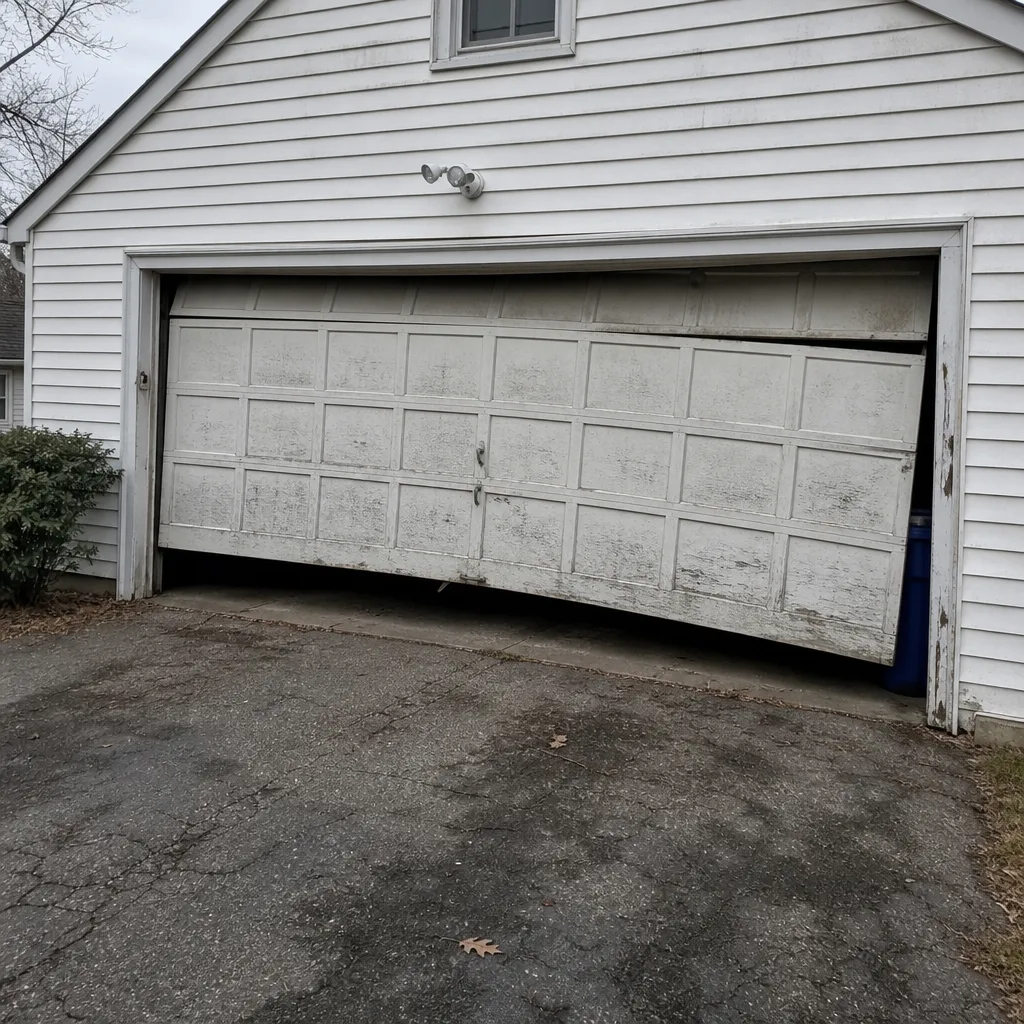 Before
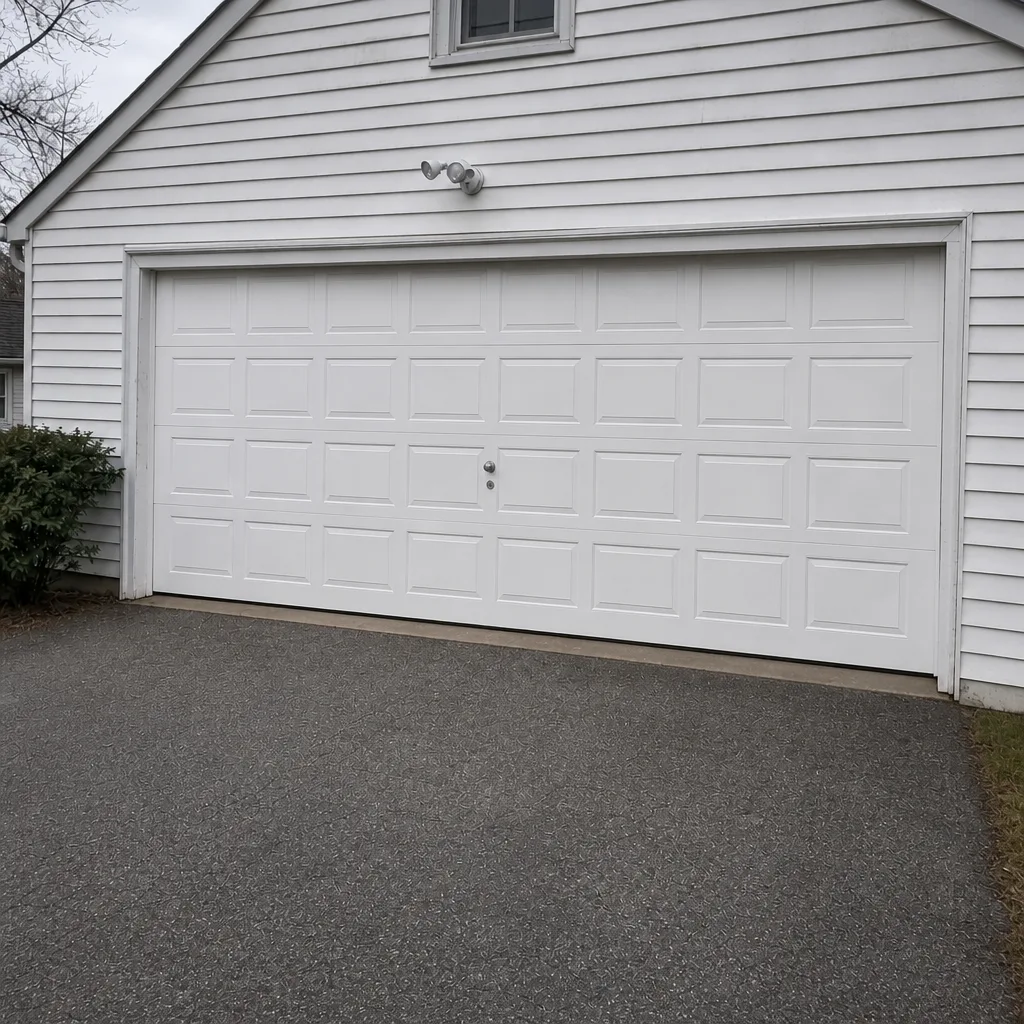 After
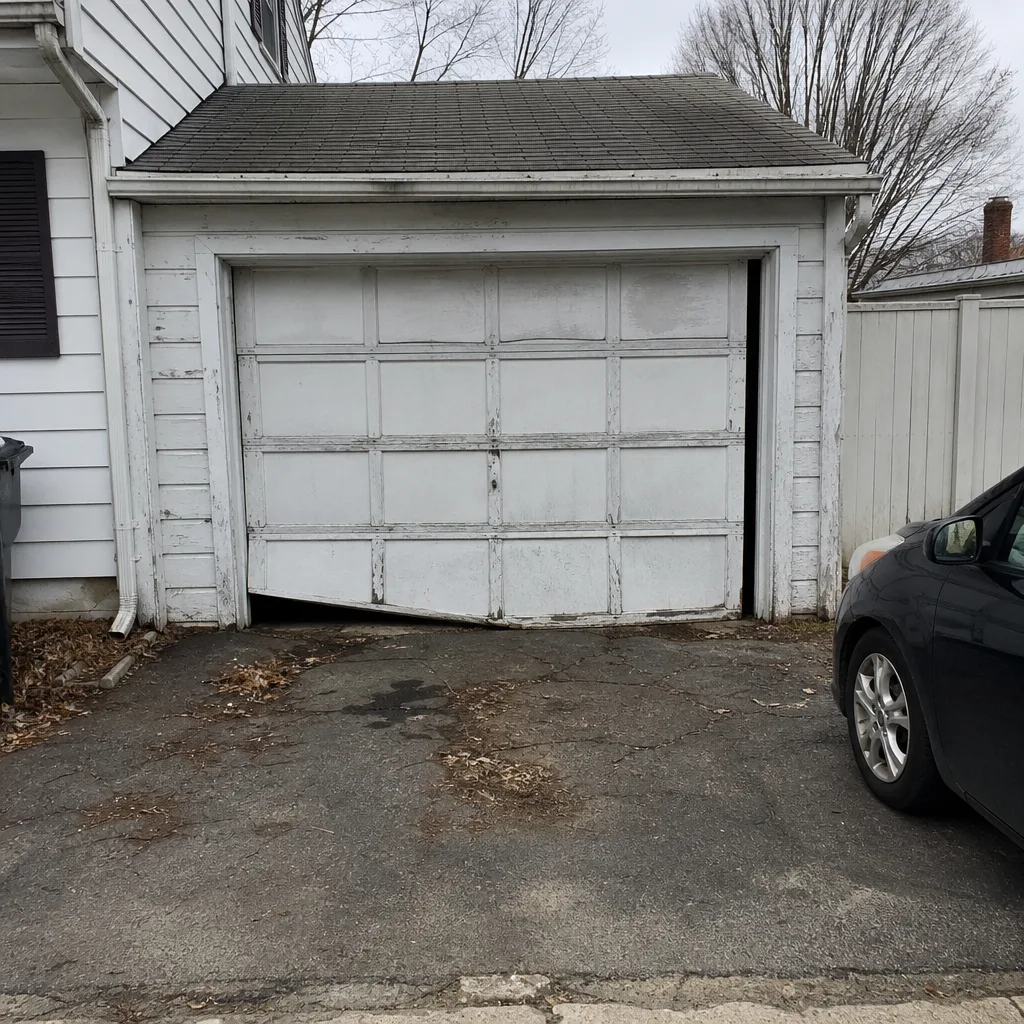 Before
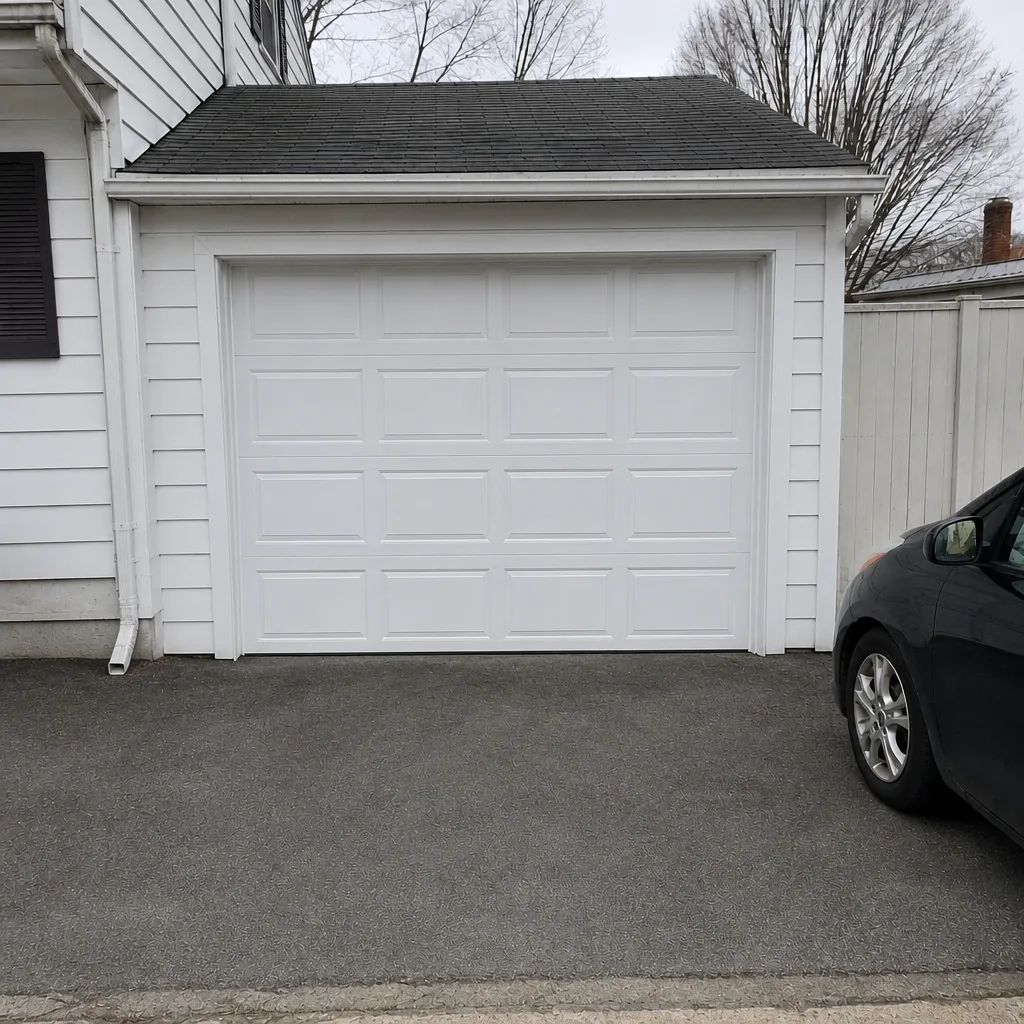 After
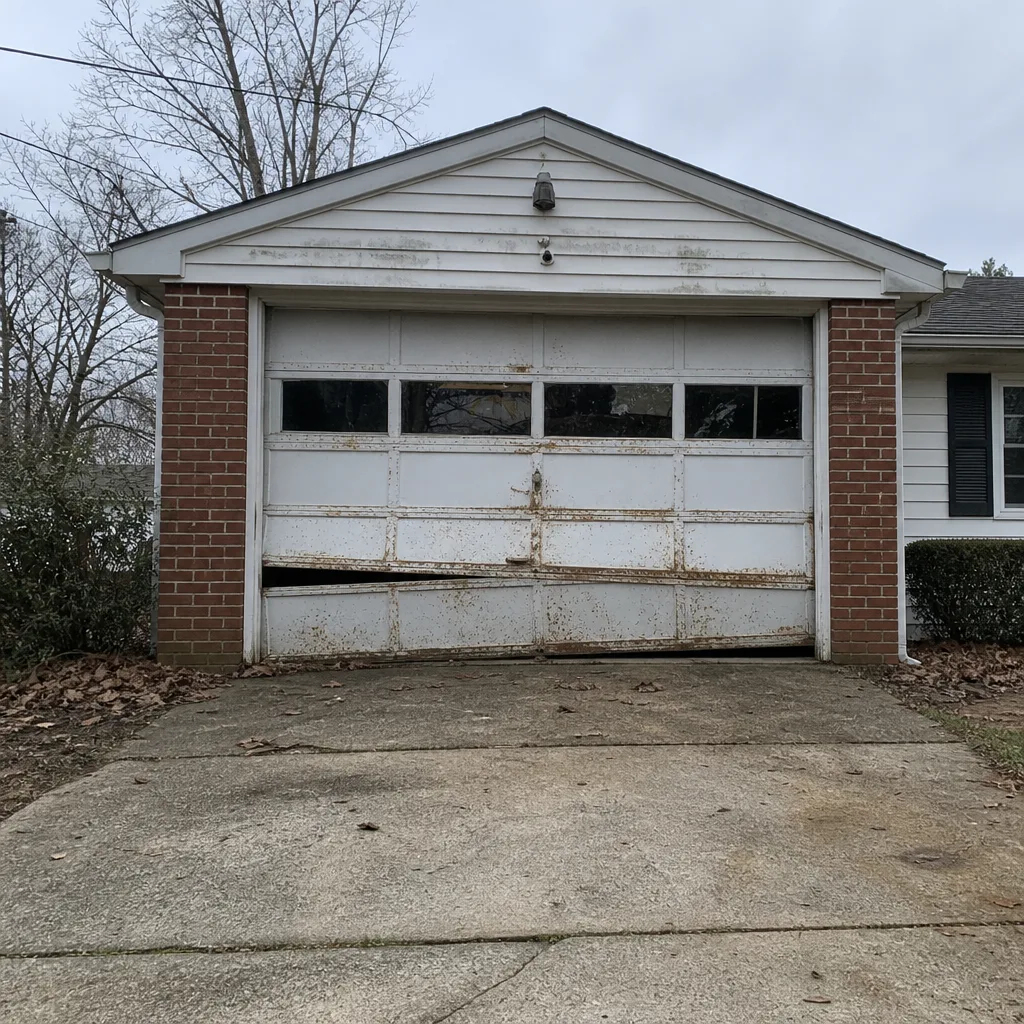 Before
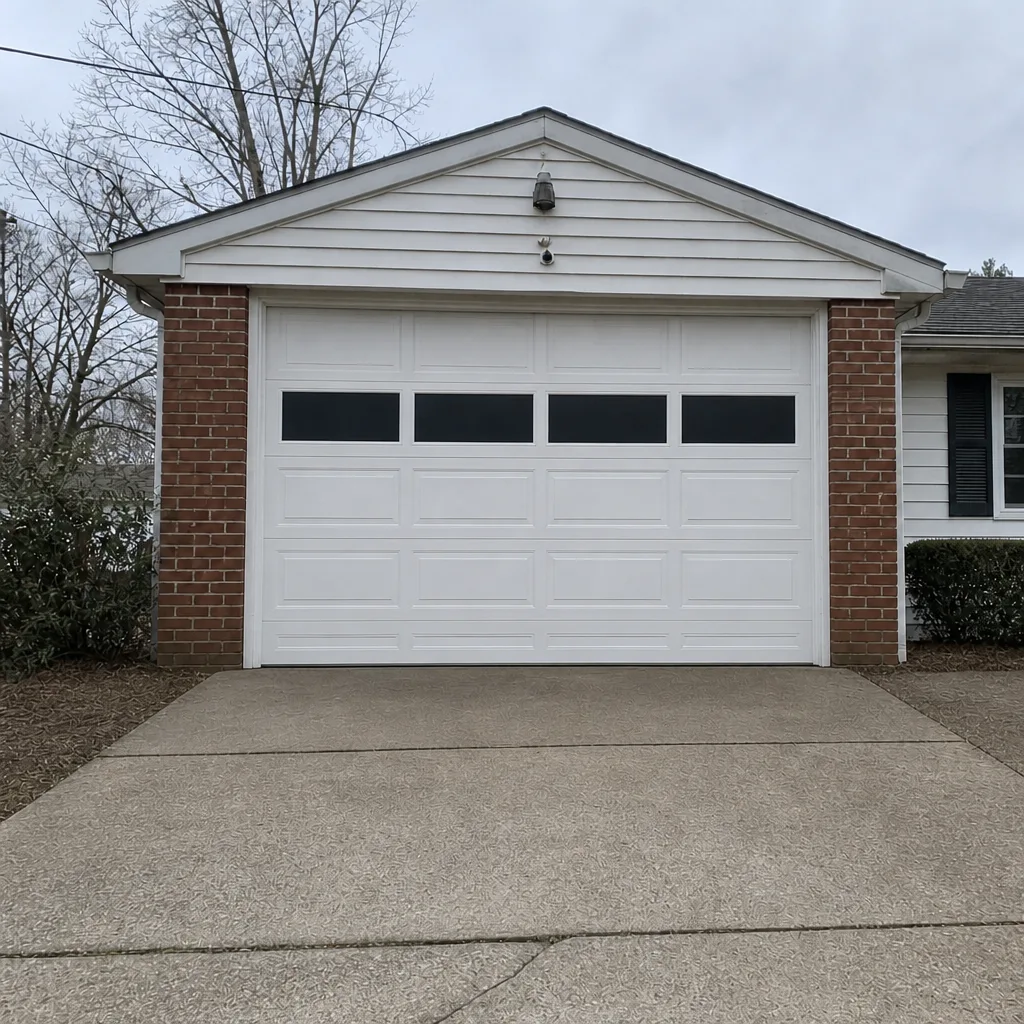 After
When to Call a Professional
Some jobs are worth a call, not a guess. If your door won’t open or close, if the opener runs but the door doesn’t move, if a spring is broken or the door feels unusually heavy, or if you’re hearing grinding, popping or scraping, it’s time to bring in a technician. The same goes for a door that’s off its track, a panel that’s dented or bent, or an opener that’s stopped responding to its remote. We also get called when a homeowner is weighing repair against replacement and wants an honest answer rather than a sales pitch.
Haverhill Garage Door Repair Pros offers free estimates in Haverhill. Call (877) 792-5986 and we’ll take a look, explain what’s going on and tell you which option actually makes sense. We work on eight of the most widely installed brands in North America, so you don’t need to hunt for a specialist who knows your equipment.
Frequently Asked Questions
The best brand for a Haverhill home is the one with good construction and easy local parts availability, not necessarily the most advertised name. For most homes, a well-built steel door from Clopay, Amarr, Wayne Dalton or Raynor paired with a LiftMaster, Chamberlain, Genie or Craftsman opener is a solid choice. Call (877) 792-5986 for an honest assessment – estimates are free.
No. Material, steel gauge, insulation consistency and parts availability matter more than the brand name. A well-constructed mid-tier door can outlast a poorly built premium one, and a door with easy-to-source parts is cheaper to own over time. Start with construction, then use brand to narrow the field.
The brands with the best local parts availability in this region tend to be the widely installed ones: Clopay, Amarr, Wayne Dalton and Raynor for panels, and LiftMaster, Chamberlain, Genie and Craftsman for openers. Wider installation means more technicians carry the parts. Ask any installer how they’d source a replacement spring or panel before you buy.
Yes, in most cases. Your existing door and opener are separate systems, and a qualified technician can often match a new opener to your current door. The main thing to check is that the new opener can handle your door’s weight and size. Call (877) 792-5986 if you want us to check the pairing.
New door pricing depends on size, gauge, insulation and brand, so the only reliable number is a written estimate for your specific garage. Pricing is set per job by that estimate, and the estimate is free. Call (877) 792-5986 to schedule a measure and get a written price.
A broken spring usually means spring repair, not a new door. Springs are wear parts, and a trained technician can replace them and restore normal operation. When a spring goes, call (877) 792-5986; spring repair is a safety-critical job best left to a trained technician, and we answer 24/7.
The Bottom Line
Brand is a starting filter, not the deciding factor. A garage door in Haverhill should be judged on steel gauge, insulation consistency, spring and roller compatibility, and parts availability, not on the logo the showroom pushes. Premium brands like Clopay, Wayne Dalton and Amarr earn their price through better construction and longer-lasting parts, while well-built mid-tier doors often deliver nearly the same durability for less. Whatever brand you choose, ask how the installer would source replacement parts years from now, and keep the opener and door matched. A door you can service is worth more than a name you recognize.
If you’re weighing brands for a repair, replacement or a brand-new installation in Haverhill, Haverhill Garage Door Repair Pros can help. We work on eight major brands, so you don’t need to hunt for the right specialist. Call (877) 792-5986 for a free estimate. We answer 24/7. Fast dispatch from 7am to 7pm, Sunday through Friday.
Written by the team at Haverhill Garage Door Repair Pros.