
Last updated November 22, 2026
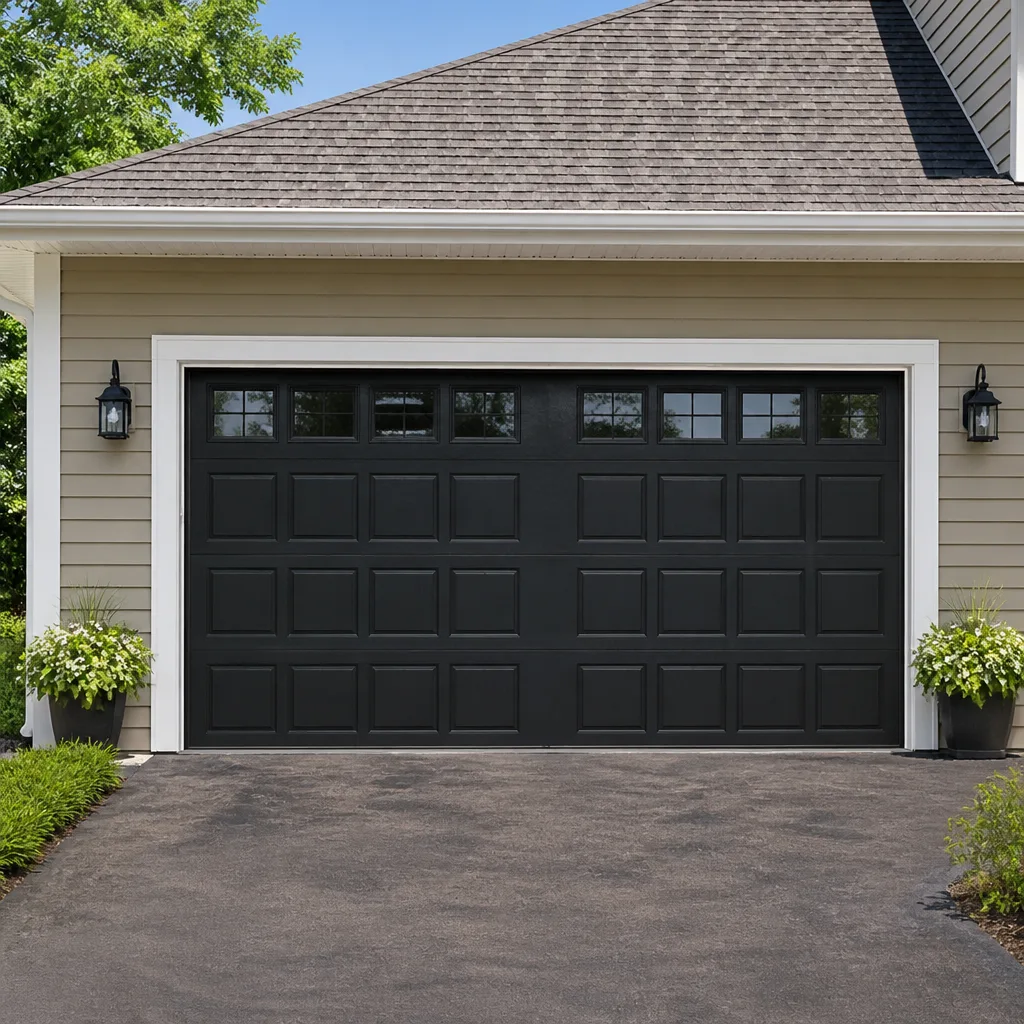 Raised-panel steel
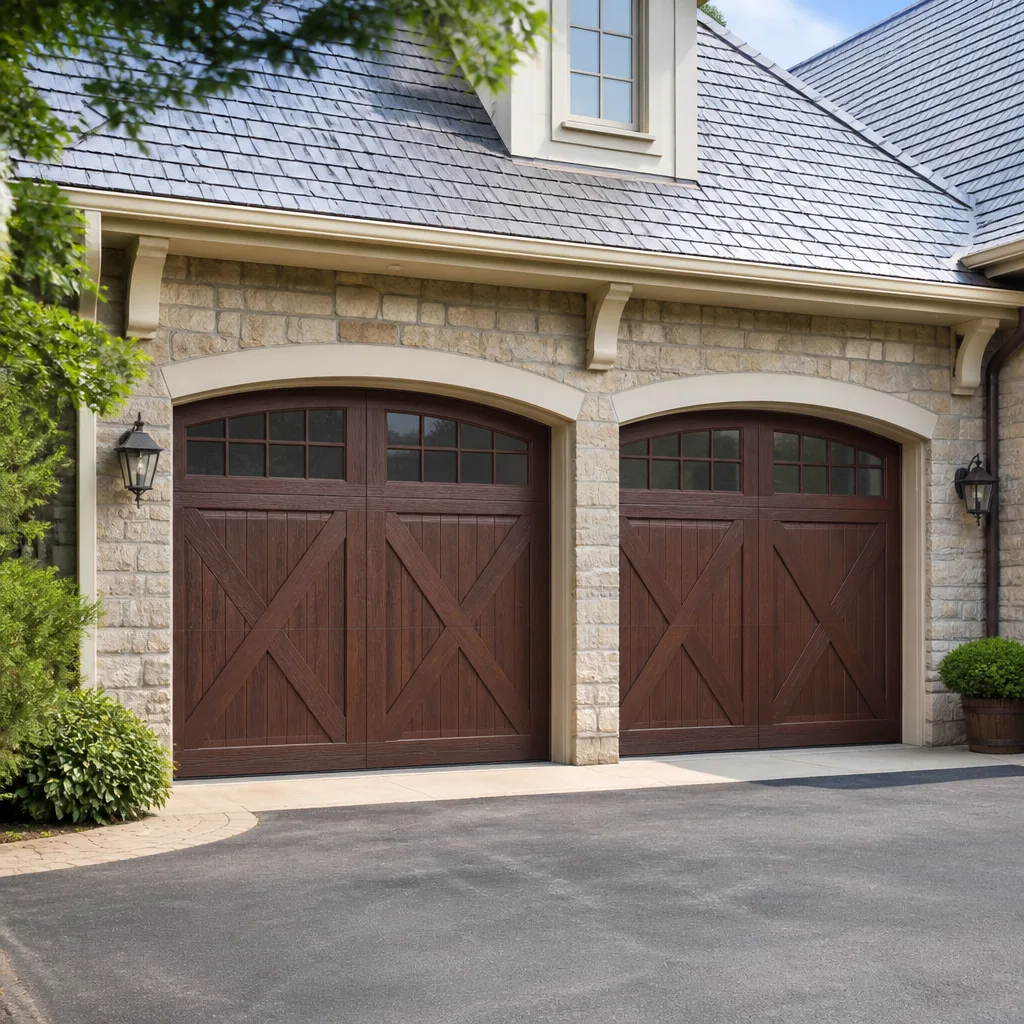 Carriage house
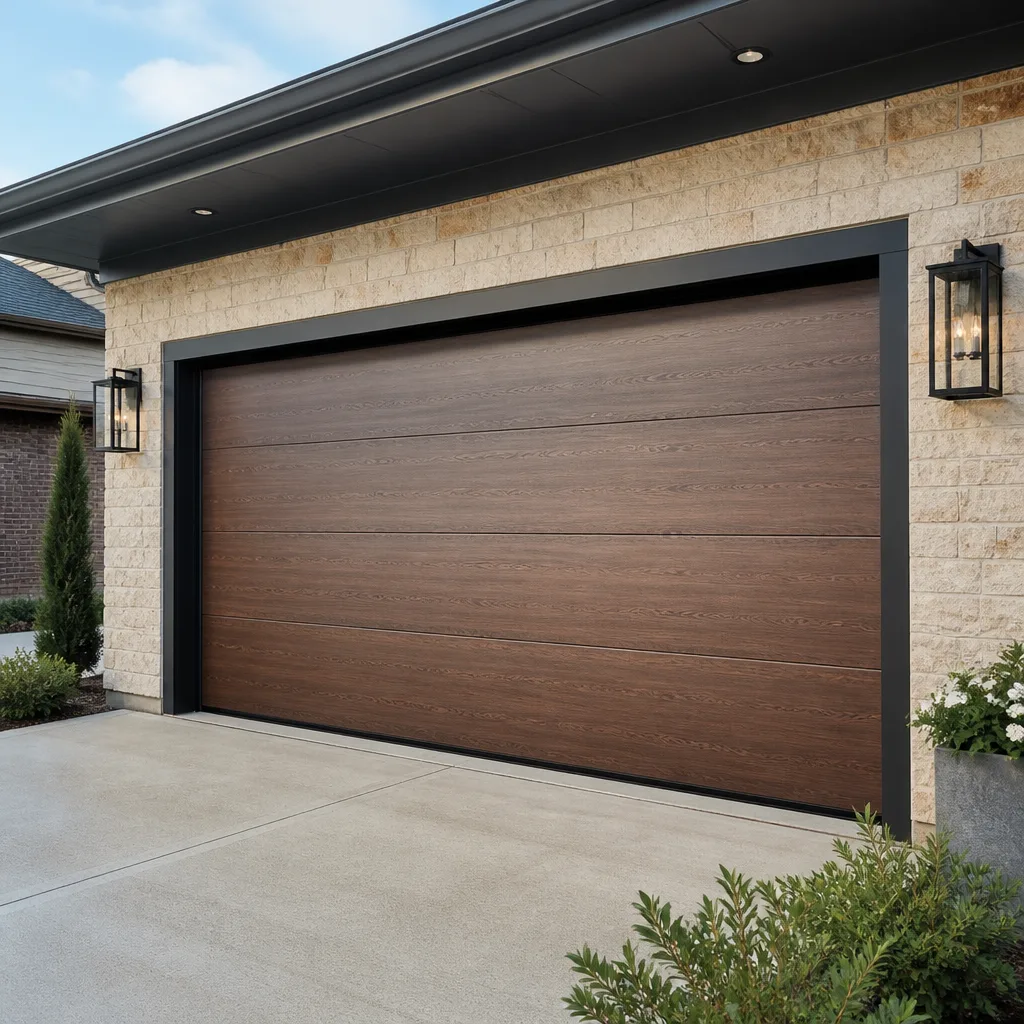 Modern flush
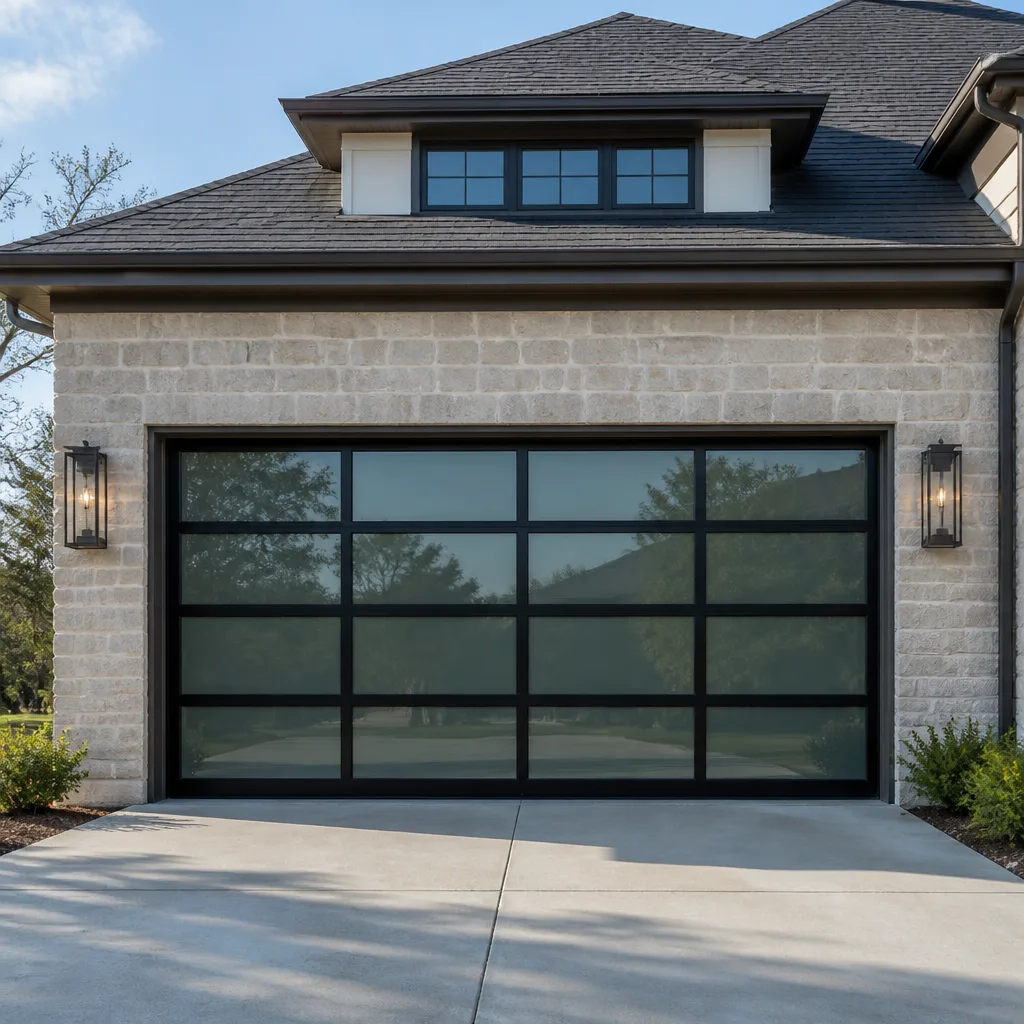 Full-view glass
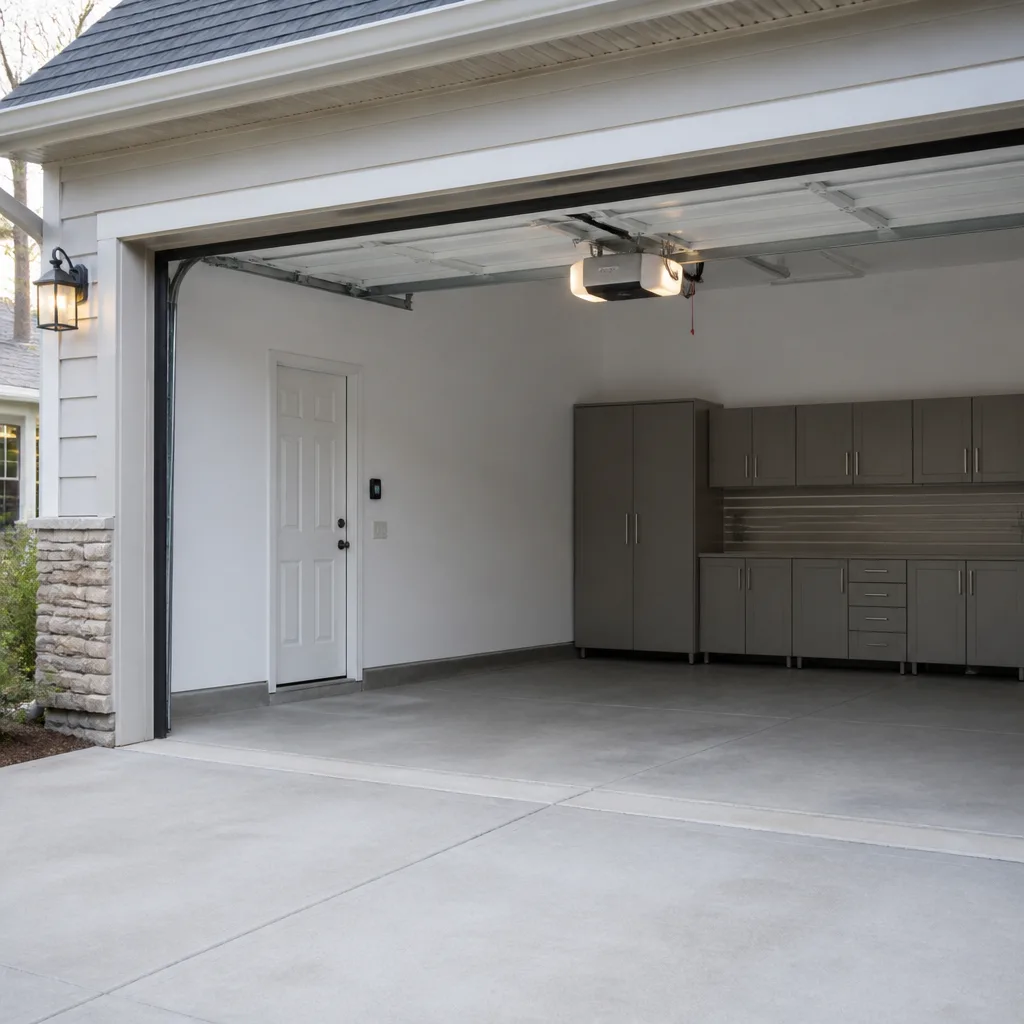 LiftMaster openers
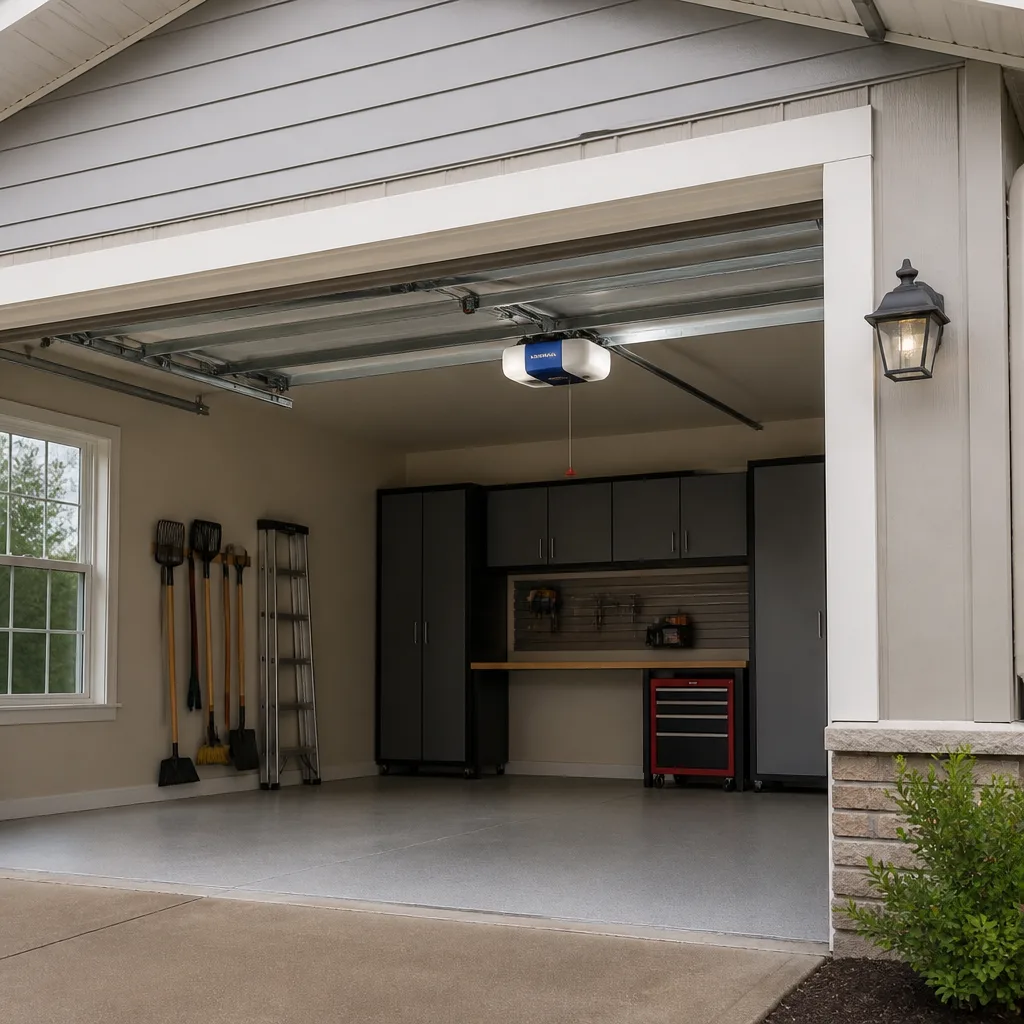 Chamberlain openers
Full 25-point door and opener safety check with every visit - springs, cables, rollers, tracks, and your LiftMaster or Chamberlain opener included
You get a price before we start. It does not change when the pro arrives.
Get your free estimateGarage Door Repair Maintenance Checklist for Haverhill Homeowners
Most garage doors don’t fail on a Tuesday afternoon out of nowhere. They fail because a roller stopped turning cleanly three months earlier, or a bottom seal filled with grit and started dragging, or a hinge wore to the point where the opener had to work harder every cycle. By the time the door jams or the spring snaps, the problem has usually been forming for weeks. The word “maintenance” makes people think of oil changes and fire alarms, but a garage door is a machine with dozens of moving parts under real load, and it tells you what’s wrong long before it quits. This guide walks through a component-by-component checklist built around the failure patterns we see in Haverhill homes, from winter road grit to summer humidity, and shows you what to check, what to leave alone, and how to log it all so you spot trouble while it’s still cheap to fix.
Quick Answer
A garage door maintenance checklist for Haverhill homeowners covers springs, cables, rollers, hinges, tracks, weatherstripping, the bottom seal, and the opener, checked on a simple schedule with pass/fail criteria for each part. You can safely handle cleaning, lubrication, seal inspection, and balance testing yourself. Springs, cables, and anything under tension require a trained professional. Log what you find at every check so you can see a component trending toward failure before it breaks.
Styles & brands we work with
- Raised-panel steel
- Carriage house
- Modern flush
- Full-view glass
- LiftMaster openers
- Chamberlain openers
Table of Contents
- Why a Maintenance Checklist Beats a Repair Call
- The Monthly Walk-Around: Ten Minutes, Eight Checks
- Seasonal Checklist: What Haverhill Weather Does to a Door
- Springs and Cables: Pass/Fail, Not Guesswork
- Rollers, Hinges, and Tracks: The Wear Items Nobody Watches
- Weatherstripping, Bottom Seals, and Wood Door Swelling
- Lubrication by Season: When Grease Works Against You
- DIY-Safe Tasks vs. Tasks That Only Look Safe
- How to Log Maintenance and Spot a Component Failing
- The Maintenance Tasks That Void a Warranty If Done Wrong
Why a Maintenance Checklist Beats a Repair Call
A checklist is a diagnostic framework, not a chore list. That distinction matters. A chore list tells you to “check the springs.” A diagnostic framework tells you what a weak spring looks like, what a normal one sounds like, and the specific thresholds that mean it’s time to schedule service rather than wait.
That’s how a working technician approaches your door. We don’t glance at it and hand you an estimate. We run through the same components in the same order every time, because the order matters: a stiff roller can masquerade as a weak spring, and a misaligned track can mimic an opener problem. If you check components out of sequence, you misdiagnose the cause and pay for the wrong repair. Our technicians have up to 8 years of experience, and the checklist they run on every visit follows that inverse logic: suspicious of the cheapest, simplest cause first, working toward the expensive ones only when the simple checks come back clean.
For a Haverhill homeowner, the payoff is simple. When you know what your door looks and sounds like on a good day, you catch the bad day early. A roller that squeaks in March is a roller that can seize by summer. A bottom seal that starts dragging grit indoors after a winter of plowed roads is a seal that’s tearing itself apart under the door every time it closes. Those early signals are free to find and cheap to fix. Missed, they become the kind of call that gets made in a hurry.
This guide is written to be used, not just read. Print it, pencil in dates, and update the notes as you go. Ten minutes a month is all it takes to keep a record of your door that’s more useful than any service history a previous owner might have left in a junk drawer.
The Monthly Walk-Around: Ten Minutes, Eight Checks
Once a month, with the door closed and the opener disconnected, run this sequence. It takes about ten minutes and covers the whole system without putting your hands near anything dangerous.
- Look at the door as a whole. Stand inside the garage and look at the door panels. Are they even, or does one side sit lower than the other? An uneven door usually means a cable or spring imbalance is forming.
- Test the balance by hand. Disconnect the opener (pull the release cord), lift the door halfway, and let go. A balanced door holds its position. A door that slides down on its own is losing spring tension. Do this by hand only, never with the door under opener power.
- Listen to the opener cycle. Reconnect, run the door up and down once, and listen. A healthy door produces a low, steady hum. Grinding, thumping, or a rattle at the start or end of travel means something is loose or worn.
- Check the rollers by sight. Look at each roller in the track. Nylon rollers should look smooth and evenly colored. Steel rollers should turn freely. Flat spots, wobble, or visible rust mean replacement.
- Inspect the hinges. Hinges at the panel joints carry real load. Look for loose screws, bent hinge plates, or shiny wear marks where two parts rub. Tighten or replace per pass/fail below.
- Run your hand along the bottom seal. With the door closed, feel the rubber along the bottom. It should be pliable and even, with no splits, tears, or hard spots. A rock-hard seal no longer seals.
- Check the safety reverse. Place a roll of paper towels under the closing door and confirm the door reverses on contact. If it doesn’t, stop using the opener and call for service.
- Wipe the tracks with a dry rag. Look for bent edges, foreign objects, and grease smears. Grease on a track collects grit and causes drag, so tracks should be clean and dry, not lubricated.
Write down what you find each month. If your door uses a LiftMaster or Chamberlain opener with a smartphone app, most of these openers log cycles and alert you to obstructions. That log is useful company for your own notes.
Seasonal Checklist: What Haverhill Weather Does to a Door
Haverhill’s climate works on a garage door in ways a generic national checklist misses. Our winters bring road salt and grit that gets tracked onto the bottom seal. Our summers bring humidity that swells wood panels and softens rubber. The freeze-thaw cycle in spring and fall is where small problems reveal themselves fast.
Winter into spring
- Rinse the bottom seal and the lowest panel with fresh water to clear road grit. Grit trapped under the seal scrapes the door every time it closes and grinds into the opener’s drive mechanism.
- Look for rust at the bottom edges of steel doors and on the hinges. Salt-laden slush splashes up and sits in seams.
- Test the safety reverse again after the coldest stretch. Cold stiffens the rubber on the bottom edge and can affect how the door meets the floor.
Spring into summer
- Check for wood swelling on wood and wood-composite doors. High humidity in a New England summer can swell panels, making them rub against the frame or the tracks. Look for scuff marks on the door edges and paint cracks at the joints.
- Re-check the balance by hand. If your door needs a little push to start moving up, that’s a sign the spring has lost tension over the winter.
- Clean the tracks and check the rollers for rust bloom. Winter moisture that got in over the cold months shows up now.
Fall into winter
- Change lubricant viscosity based on temperature. A lubricant that flowed cleanly in July can turn sticky and stiff in January. That stiffness puts extra load on the opener every cycle.
- Inspect weatherstripping on the sides and top of the frame. Worn strips let in cold air and drafts.
- Clear the bottom of the door, the track, and the floor threshold of leaves and debris before the first hard freeze locks them in place.
Half of the calls we take about sticking doors in Haverhill trace back to something environmental, not a component failure. The door itself is fine; it’s the grit, the swelling, or the cold-thickened lubricant that’s causing the problem.
Springs and Cables: Pass/Fail, Not Guesswork
Springs and cables are the parts that carry the door’s weight and the parts most often misdiagnosed. They’re also the most dangerous. A torsion spring on a standard residential door is under extreme tension and can cause serious injury in an instant if handled incorrectly. Nothing in this section is a DIY repair guide. Use it to know what a healthy system looks like and what means you should call.
- Spring pass: The spring looks straight, with no visible gaps or coils that look compressed unevenly. The door opens with smooth force from either side.
- Spring fail: A visible gap of an inch or more in the middle of a torsion spring. Winding coils look deformed or bowed. The door lifts with difficulty from one side.
- Cable pass: Cables lie flat and evenly on the drums at each end of the shaft, with no frayed strands, kinks, or loose coils.
- Cable fail: Frayed strands, a cable that has slipped off its drum, or a cable that has gone slack. A slack cable means the door is no longer supported evenly, which is an immediate safety concern.
A door that slams or drops hard, a door that won’t stay up when lifted halfway, or a door that’s noticeably heavier on one side all point to spring or cable trouble. So does a loud bang from the garage when nothing you did produced it. When one spring breaks on a two-spring door, both are usually replaced together, and a pair costs about twice a single spring, so plan for that. Haverhill Garage Door Repair Pros treats garage door spring repair as its own specialty. It isn’t a job we pass to a handyman, and we’d rather you hear that from us than learn it the hard way.
Rollers, Hinges, and Tracks: The Wear Items Nobody Watches
Rollers and hinges wear slowly, which is exactly why they’re the most overlooked parts on a door. A roller that’s 90 percent through its life still functions. It just makes the opener work harder every cycle, and an opener that works harder every cycle fails sooner. Rollers, hinges, and the track are the parts that tell you a door is aging even while everything still works.
Rollers
Look for flat spots, wobble as the door moves, and visible rust. Steel rollers should turn with your fingers; if one feels gritty or won’t spin freely, it’s past due. Nylon rollers eventually develop flat spots and stop rolling smoothly. Replacing worn rollers is inexpensive and one of the highest-value maintenance items on the whole door.
Hinges
Hinges at each panel joint carry the door’s flex. Loose screws are easy to tighten. Bent hinge plates, worn pivot holes, or a hinge that won’t sit flush means replacement. Hinges are the parts that tend to void a warranty if replaced with the wrong ones.
Tracks
- Pass: Tracks are straight, clean, dry, and clear of debris. The door slides without binding.
- Fail: Visible bends, kinks at the curve where the door transitions from vertical to horizontal, or a gap between the track and the frame. A bent track means misfit rollers, and a track that’s out of alignment will eventually damage the door.
If you’re hearing a scraping or thumping on one side, don’t adjust the track yourself. Haverhill homeowners with older doors often find the frame has settled unevenly, and the fix involves more than bending the track back. That’s one for garage door repair rather than a Saturday experiment.
Weatherstripping, Bottom Seals, and Wood Door Swelling
Seals are the part of the door that takes the most abuse and gets the least attention. The bottom seal does three jobs: it keeps water, grit, and cold air out; it cushions the door as it meets the floor; and it holds the safety reverse trip point steady. A bad seal fails at all three.
- Bottom seal pass: Rubber is pliable, soft to the touch, and contacts the floor evenly along its whole length. No light visible from inside the garage with the door closed.
- Bottom seal fail: Hard, stiff, cracked, torn, or curling up at either end. Grit visible where the seal meets the floor. Water stains inside the garage after rain.
- Side and top weatherstripping pass: Stays flexible, seals against the frame, no visible gaps.
- Side and top weatherstripping fail: Cracks, gaps, or pieces missing. Drafts visible around the edges when the door is closed.
Wood and wood-composite doors need a separate check. In a Haverhill summer, humidity can swell panels until they rub against the frame or the tracks. You’ll see it as scuffing on the door edges, paint cracks at joints, or a door that suddenly closes harder than it used to. Left alone, swelling leads to binding, and binding puts stress on the opener and the springs. If the swelling is severe, the door may need adjustment or panel repair. If you own a wood or composite door from Clopay, Amarr, Wayne Dalton, or Raynor, the right fix depends on how the panel was constructed, which is exactly the kind of thing to have a technician look at rather than sanding or trimming yourself.
Lubrication by Season: When Grease Works Against You
Lubricant is not one-size-fits-all on a garage door, and it behaves differently at Haverhill’s winter temperatures than it does in July. A lubricant that flowed well in summer can turn gummy and thick in the cold, adding drag to every hinge and roller. That extra drag is the difference between an opener that’s coasting through its service life and one that’s working hard on every cycle.
What to lubricate
- Hinges, at the pivot points.
- Roller bearings and the roller shafts.
- The springs themselves, with a light lubricant to reduce coil friction.
- The opener’s drive screw or drive chain, per the manufacturer’s recommendation.
What not to lubricate
- The tracks. Grease in the track catches grit and causes drag, which is the opposite of what you want.
- Anything the door opener’s manual tells you to leave dry.
Timing
Late fall is the best time to re-lubricate before the cold arrives, so the lubricant you applied has time to settle into the hinge and roller bearing before temperatures drop. If you find a lubricant gets tacky at cold temperatures, switch to a lighter option designed for low temperatures. Do the same check in spring, but for a different reason: the grit collected over winter needs to be wiped away before fresh lubricant goes on, or you’ll seal grit into the joints.
If your opener is a LiftMaster or Chamberlain with a smart-home app, most of these openers log cycles and alert you to obstructions. That log is useful company for your own notes about how the door behaves before and after each lubricant change.
DIY-Safe Tasks vs. Tasks That Only Look Safe
Some garage door maintenance is genuinely safe to do yourself with no special skill or equipment. Other tasks look simple and are not. The line between them is clear and worth knowing cold.
DIY-safe
- Visual inspection of every component in the monthly checklist.
- Cleaning tracks with a dry rag.
- Wiping down the bottom seal with fresh water to clear grit.
- Lubricating hinges, rollers, and springs with a light lubricant applied by hand.
- Testing safety reverse with the paper-towel roll method.
- Replacing worn weatherstripping on the sides and top of the frame.
- Tightening loose hinge screws, provided the hinge is still straight and flush.
- Changing the opener bulb and remote batteries, following the manual.
- Manual balance testing with the opener disconnected.
Professional-only
- Spring replacement or adjustment. A torsion spring holds thousands of pounds of stored energy. This is the classic “looks simple, maims people” job.
- Cable replacement or adjustment. Cables are under load and can snap violently when released incorrectly.
- Track straightening. A bend that looks repairable to a homeowner usually means the door panels have shifted too.
- Opener replacement. Not dangerous in the same way, but the opener head, rail, and safety reverse calibration need to be aligned correctly, and most opener warranties cover installation errors only when the work is done by a qualified technician.
- Panel replacement. Mismatched panel brands and models create fit and balance problems that show up weeks later.
When a job crosses into that second list, it’s not about being cautious; it’s about the fact that the physics of a loaded spring and a stretched cable don’t care how careful you’re being. Haverhill Garage Door Repair Pros is here for the second list. Call before you start.
How to Log Maintenance and Spot a Component Failing
The single most underrated tool in garage door maintenance is a notebook. A log turns a set of one-time observations into a trend line, and a trend line is what tells you which component is heading for failure before it fails.
Log the same things every month, in the same order, so the entries are comparable. Date. Balance test result (holds position, drifts down, needs a push). Opener sound (clean, or describe what you hear). Roller condition (all smooth, note which ones don’t). Hinge tightness. Seal condition. Reverse test result (pass, or reverse). Any change from last month. Anything unusual.
What you’re looking for is a drift, not a single event. A door that holds position for six months and then starts drifting down half an inch over two weeks is telling you the springs are losing tension. A door that opens with a clean hum for a year and then starts thumping on one side is telling you a roller or hinge is going. A bottom seal that’s fine all year and then curls at one end in February is telling you cold strain has reached its limit.
Three patterns to watch for
- Slow decline in one side. The door lifts or closes slightly more heavily from one side. Almost always a spring or cable issue developing.
- New sound on every cycle. A thump, grind, or squeak that repeats at the same point in the door’s travel. Usually a roller or hinge.
- Seasonal change that doesn’t reverse. A door that gets stiffer in winter and then stays stiff into spring. Lubricant viscosity explains a temporary change; a permanent change means a component has worn.
Bring the log to a service visit if you can. It shortens diagnosis. If you don’t have one, describing what the door was doing six months ago compared to now is still enormously useful. Our garage door opener repair side of the business benefits just as much from this log as the door itself, since opener failures usually start as drag on the door and end as damage to the opener’s drive.
The Maintenance Tasks That Void a Warranty If Done Wrong
Warranties on garage doors and openers are conditional. Most cover manufacturing defects, not the consequences of incorrect maintenance, and a surprising number specify that certain tasks must be done in certain ways or by a qualified technician. Getting it wrong can void the coverage on parts you’ve paid for.
Tasks most likely to void a warranty if done incorrectly
- Spring replacement. Springs must match the original weight rating and door size. The wrong spring shortens door life, overloads the opener, and voids the warranty on both.
- Hinge replacement. Hinges are graduated by weight rating from bottom to top of the door. Replacing all hinges with the same size is a common homeowner mistake that voids door warranties.
- Roller replacement. Rollers come in multiple stem lengths and wheel diameters, and the wrong sizes cause misfit in the track and eventual door damage.
- Opener installation. Most opener brands, including LiftMaster and Chamberlain, specify that the unit must be installed by a qualified technician for the warranty on the unit and its safety reverse system to hold.
- Panel replacement. Mixing brands or models on a door changes weight distribution and balance, and manufacturers are clear that mismatched panels void the door warranty.
- Track repair. Bending a track back to shape looks harmless but stresses the metal and creates unseen misalignment.
What “correctly” actually means
Correctly means the right part, installed to the manufacturer’s specification, with the door re-balanced afterward. A roller that fits the track but is a quarter-inch short of the right stem length will run for a while and then cause the door to bind. A spring that’s close to the right weight rating will work but put additional load on the opener every cycle. The specs matter, and they’re specific to your door’s brand, model, and configuration. That’s a big part of why we keep so many brands in our service radius: Haverhill Garage Door Repair Pros is certified to work on 8 major brands, from Clopay, Amarr, Wayne Dalton, and Raynor doors to LiftMaster, Chamberlain, Genie, and Craftsman openers, so the correct spec for your equipment is usually one we already know cold.
Common Mistakes to Avoid
- Waiting for the door to fail before doing anything. A garage door gives plenty of warning before it breaks. The trouble is that “it still works” is not the same as “it’s fine.” A door that’s grinding or dragging is already on its way to a failure.
- Greasing the tracks. This is the single most common maintenance mistake we see in Haverhill. Grease in the track catches grit, dries sticky, and causes drag. Tracks stay clean and dry.
- Ignoring road grit in the winter. Salt and sand tracked onto the bottom seal and lowest panel do real damage over time. Rinsing the seal after a snowy stretch is five minutes that saves a seal.
- Replacing one hinge with a bigger one. Hinges are weight-rated and graduated down the door. Substituting an oversized hinge at one joint can bind the door and void the door’s coverage.
- Misdiagnosing a stiff door as an opener problem. A door that drags is usually a door problem, not an opener problem. Replacing an opener on a dragging door breaks the new opener too.
- Skipping the safety reverse test after every adjustment. If you loosen a hinge, tighten a track bolt, or change a lubricant, retest the safety reverse. It’s the only backup that prevents the door from closing on a person or a pet.
- Not writing anything down. Without a log, every problem looks sudden. With a log, most problems look like a trend you could have caught earlier. That’s the whole reason a maintenance checklist is worth the ten minutes a month.
See the difference
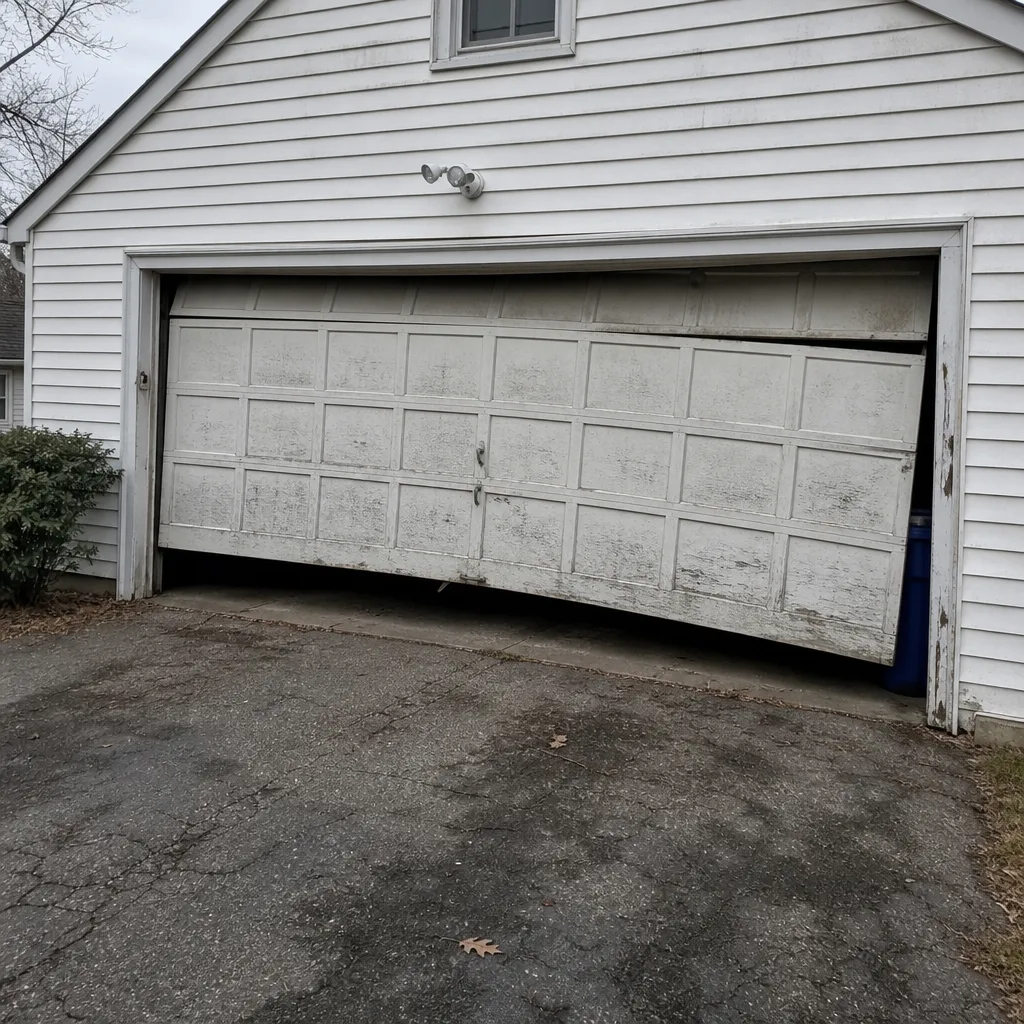 Before
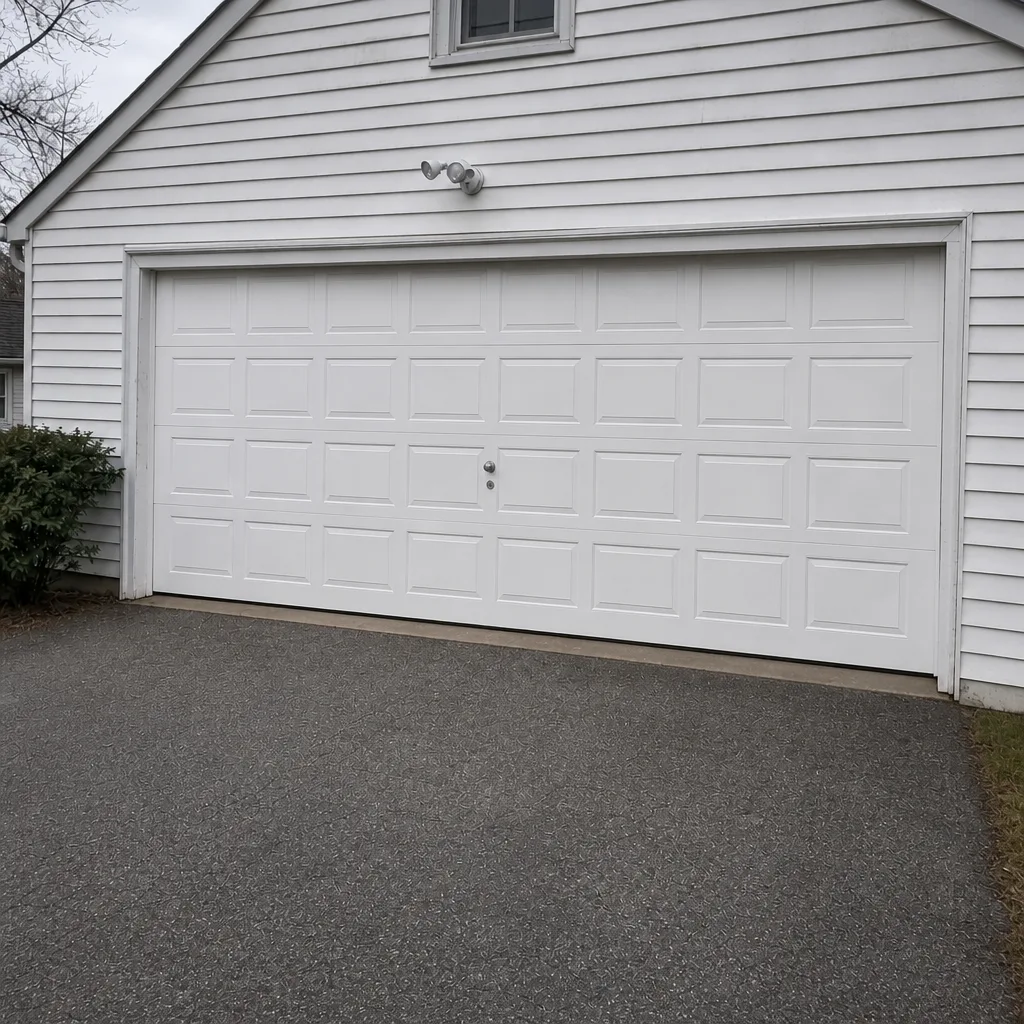 After
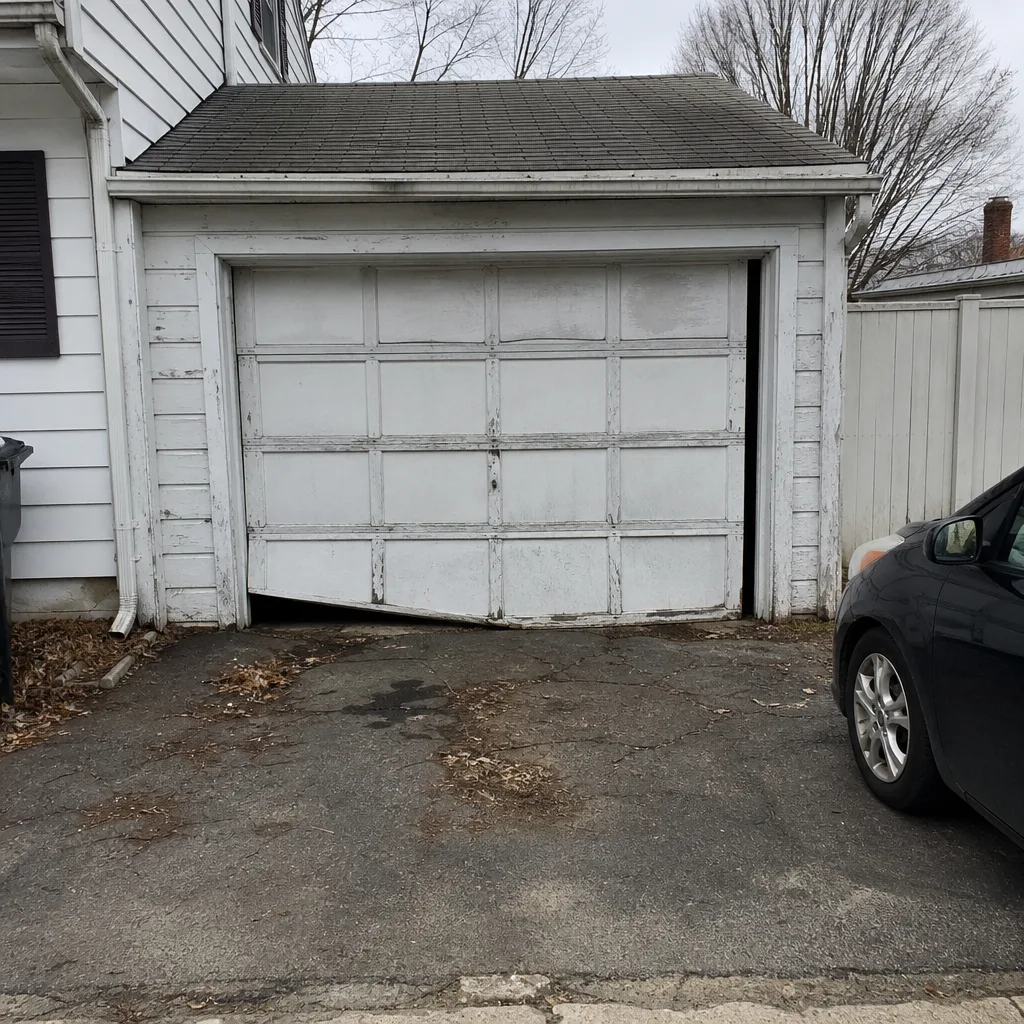 Before
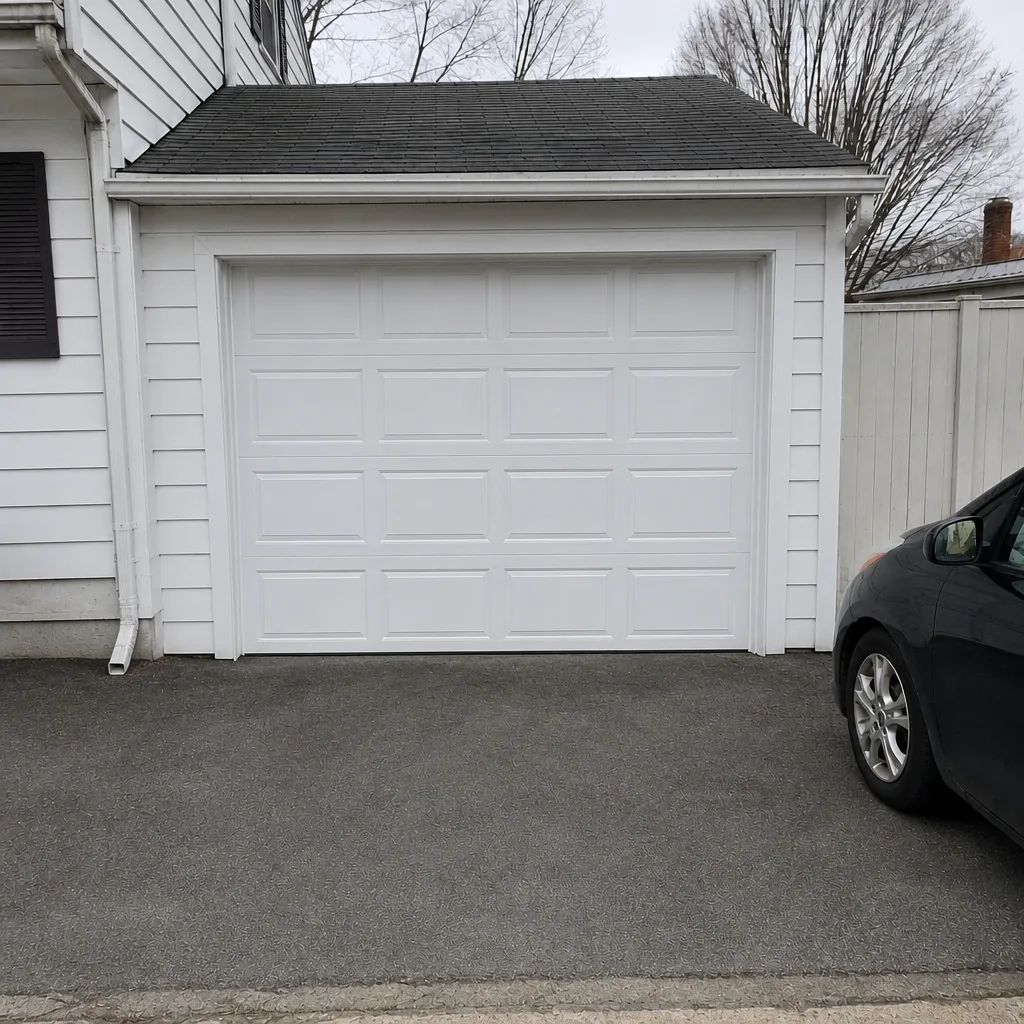 After
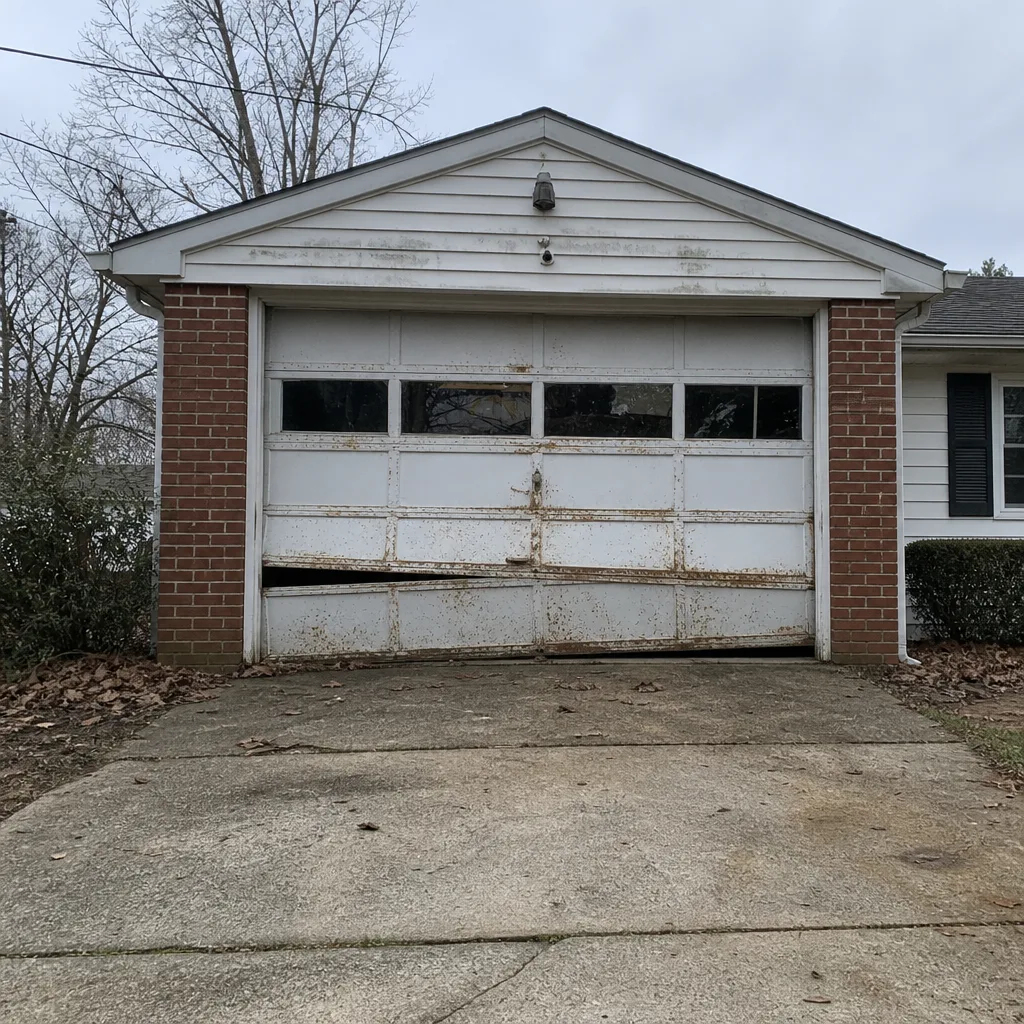 Before
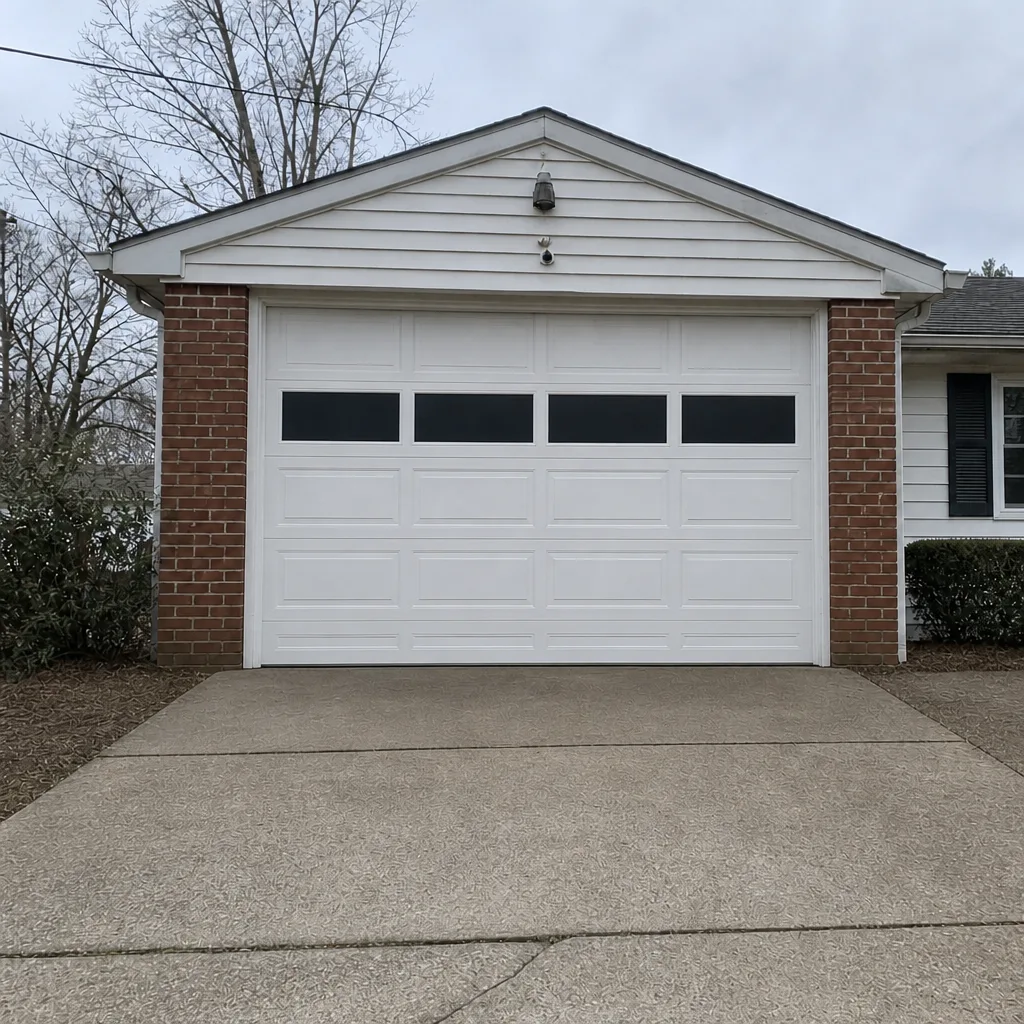 After
When to Call a Professional
Some of the checklist is for you. Some of it isn’t, and knowing the difference keeps your door in service and you out of the emergency room. Call a professional if you find a broken or gaping spring, a cable that’s slack or frayed, a door that won’t stay up when lifted halfway, a bent track, a hinge that won’t sit flush, a door that visibly binds during a cycle, or an opener that no longer reverses on contact with an obstruction. Call if the door’s balance has been drifting for weeks and hasn’t corrected. And call before replacing anything more than a roller or a side seal yourself, because the part specs and weight ratings matter in ways that aren’t obvious until the door starts binding.
Haverhill Garage Door Repair Pros offers free estimates in Haverhill. Call (877) 792-5986. We answer 24/7. Fast dispatch from 7am to 7pm, Sunday through Friday. If your door won’t close, that’s a call for today, not a call for next week. If it’s a maintenance tune-up or a quote on a replacement, we’ll schedule it at a time that works for you.
Frequently Asked Questions
The monthly walk-around takes about ten minutes and covers the eight checks in this guide. Do the seasonal checklist four times a year, at the change of season, with special attention before the first freeze and again in late spring. If your door gets heavy use (a household that parks two cars and comes and goes all day), lean toward the monthly inspection more strictly. If the door sees lighter use, the monthly pass still matters because it’s how you build the log of what’s normal.
You can apply light lubricant to the outside of the springs to reduce coil friction. What you can’t do is adjust, wind, or replace them. Those tasks require releasing stored tension first, and doing that wrong can cause serious injury. Keep lubricant on the outer surface of the springs, following any specific instruction from the door manufacturer, and stop there. Anything that involves opening the tension side of the spring needs a trained technician.
A little seasonal change is normal, but a door that’s noticeably stiff in winter and then stays stiff once spring arrives is not. Cold thickens lubricant, which adds temporary drag. If the door doesn’t return to normal when temperatures rise, a component has worn: a roller, a hinge, or a spring losing tension. Similarly, if the door binds badly enough that the opener strains, that’s an early sign of a problem the checklist should catch. Call for an inspection if the change doesn’t reverse.
Feel it with your hand. A seal that’s pliable and uniform is fine. A seal that’s hard, cracked, curling up at either end, or torn needs replacing. A second test is to close the door and look for daylight along the bottom edge from inside the garage, or run a piece of paper along the seal and see if it slides out easily. Haverhill winters push road grit onto that seal and stiffen the rubber; a spring inspection is a good time to look.
It can, if you install a part that doesn’t match the manufacturer’s specification. Hinges are graduated by weight rating from bottom to top of the door, and rollers come in multiple stem lengths and diameters. The wrong part will function for a while and then cause drag, binding, or weight imbalance. When in doubt, have the part replaced through a qualified technician who can match your door’s brand and model. We work on 8 major brands including Clopay, Amarr, Wayne Dalton, and Raynor, which covers most of what’s installed in Haverhill homes.
Check the bottom seal first. Cold stiffens the rubber, and a stiff seal can trigger the safety reverse or fail to make a clean contact, which is the most common cold-weather cause. If the seal looks fine, check for ice or debris on the threshold and along the track. If the door still won’t close, or if the opener no longer reverses on obstruction, stop using the opener and call for service. Answer: check the seal, the threshold, and the safety reverse in that order.
The Bottom Line
A garage door maintenance checklist isn’t about doing a lot of work. It’s about knowing what your door looks and sounds like on a good day, so you recognize the bad day before it happens. Springs and cables are professional territory. Rollers, hinges, tracks, seals, and lubrication are jobs you can handle yourself with the right parts and a little patience. In Haverhill, the weather adds grit, swelling, and cold-driven stiffness to the list of things worth watching. Ten minutes a month, four seasonal passes a year, and a log of what you find gives you a door that lasts longer and gives you notice before it fails.
When you find something on the list that needs a professional, or when you’d rather have a trained technician run the full checklist for you, Haverhill Garage Door Repair Pros is one call away. We handle repair, garage door opener repair, garage door spring repair, new installation, and emergency service across 8 major brands. Repair or replace, we’ll tell you which one actually makes sense.
Call (877) 792-5986 for a free estimate. We answer 24/7. Fast dispatch from 7am to 7pm, Sunday through Friday. When the door won’t move, we move fast.
Written by the team at Haverhill Garage Door Repair Pros.