
Last updated November 22, 2026
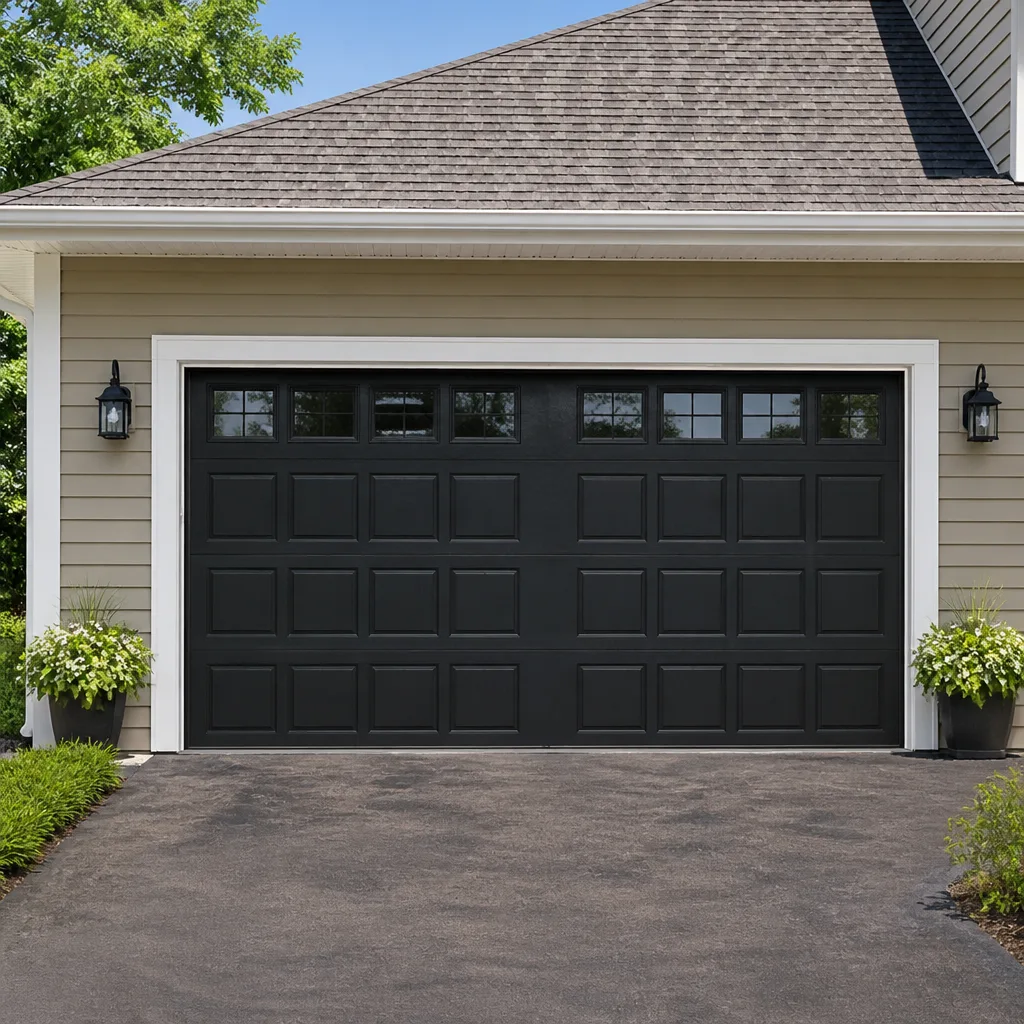 Raised-panel steel
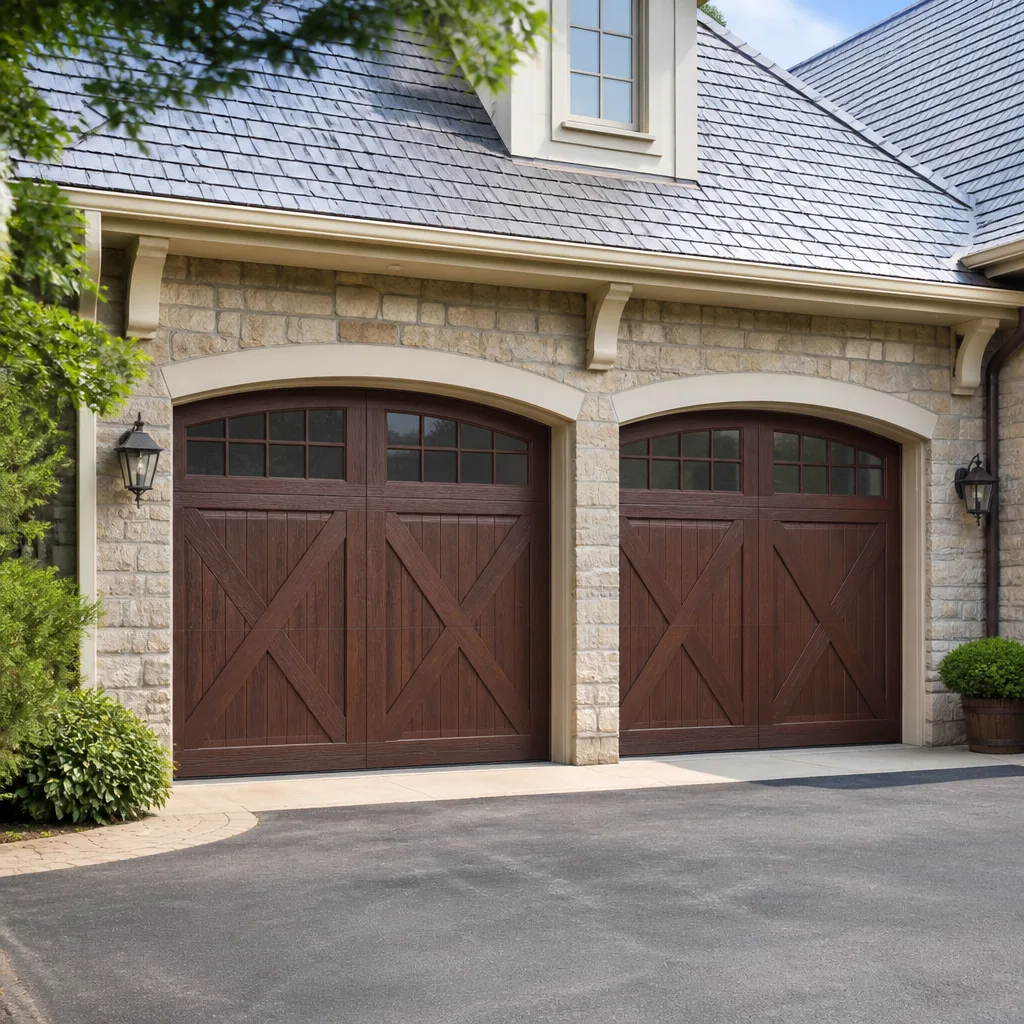 Carriage house
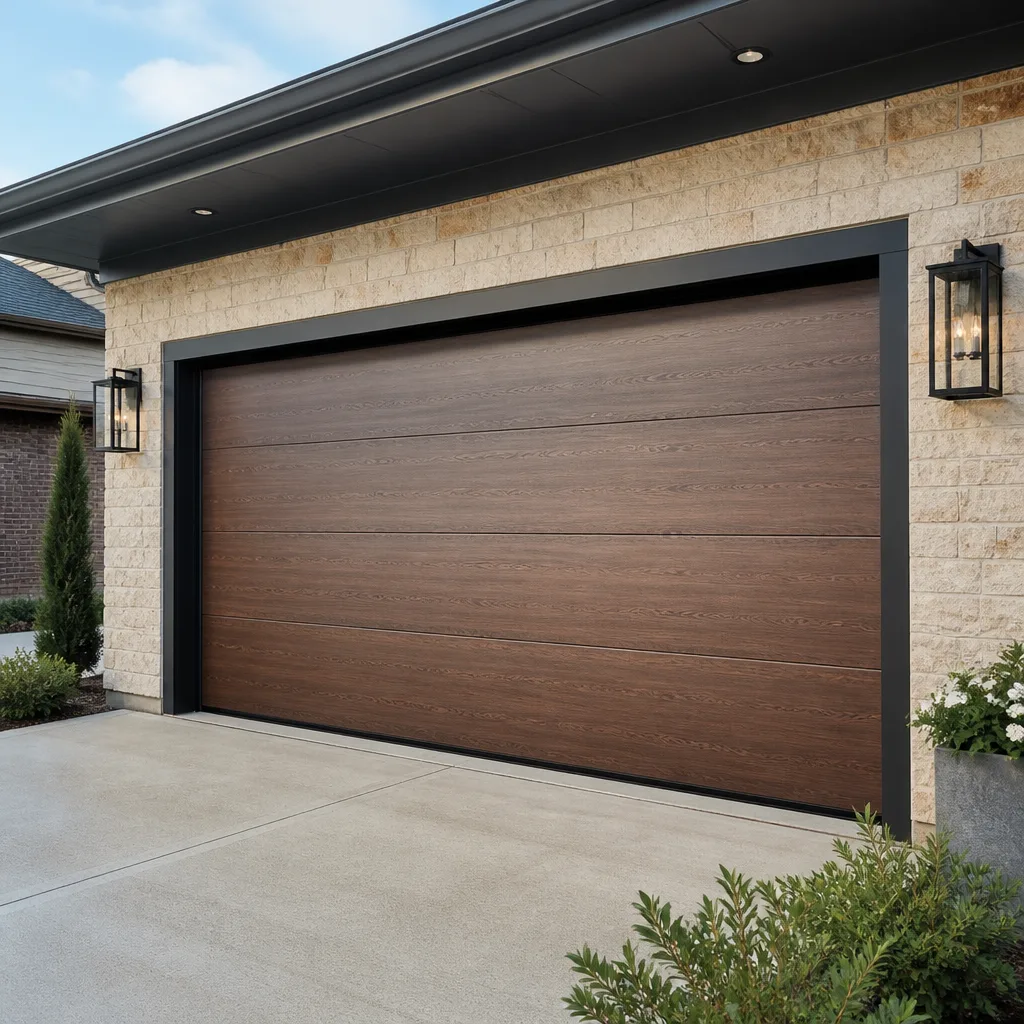 Modern flush
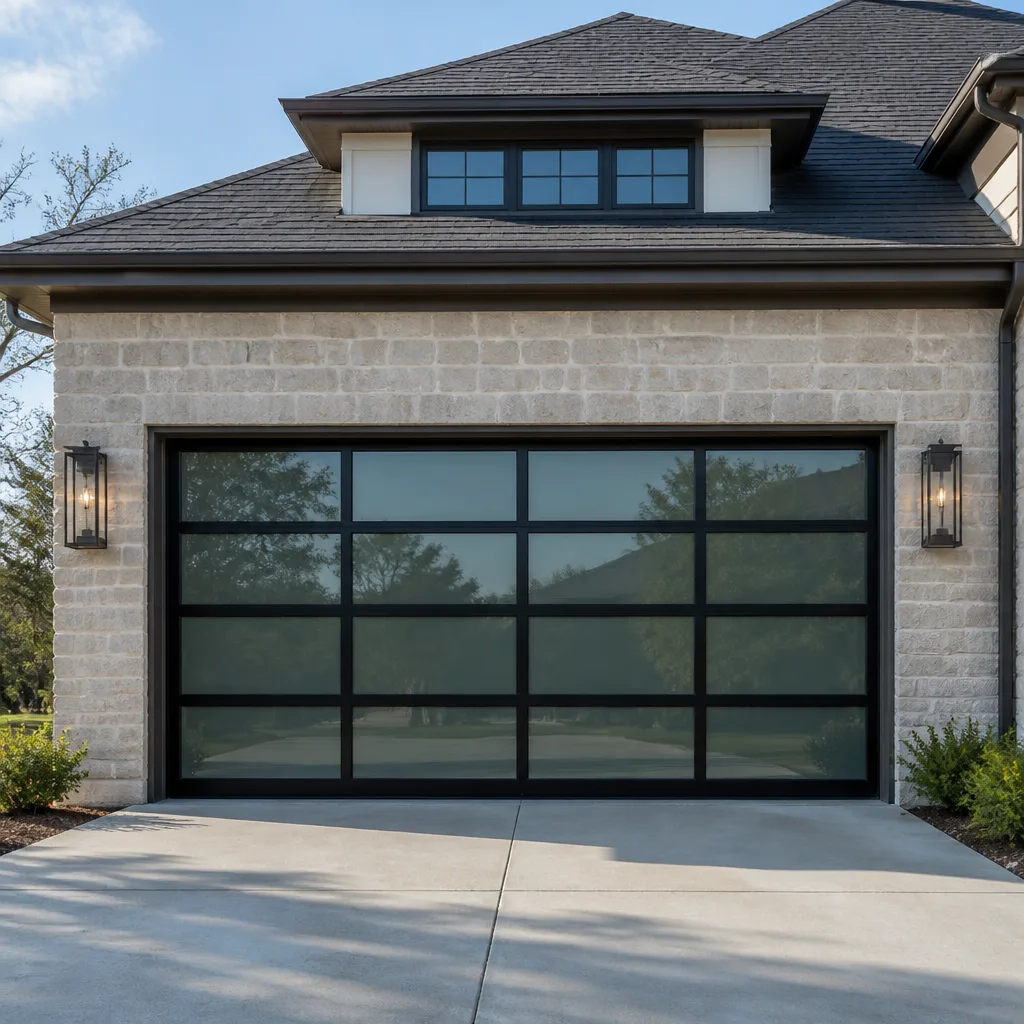 Full-view glass
 LiftMaster openers
 Chamberlain openers
Full 25-point door and opener safety check with every visit - springs, cables, rollers, tracks, and your LiftMaster or Chamberlain opener included
You get a price before we start. It does not change when the pro arrives.
Get your free estimateThe Complete Guide to Garage Doors in Haverhill
Most garage door advice online was written for a house built in 2015 with a wide, flat driveway and a mild winter. That describes almost nothing in Haverhill. The typical home here went up before 1980, and the garage attached to it was built around hardware, insulation expectations and weather loads from a different era. That mismatch is why generic checklists fall short and why a door that works fine two towns over can struggle through a Haverhill February. This guide maps every real decision – repair, replace, maintain, upgrade – to the conditions Haverhill homeowners actually live with, from triple-decker conversions near downtown to colonials on the city’s outer streets.
Quick Answer
A garage door in Haverhill is a mechanical system with three wear zones: springs and cables, the opener and its drive, and the panels and tracks. Which one fails first depends heavily on the age of the house and how much freeze-thaw the door sees each winter. Repair usually makes sense when the structure and panels are sound and the fault is mechanical; replacement makes sense when panels, tracks or the opening itself have deteriorated past safe repair. The sections below walk through each decision in detail.
Styles & brands we work with
- Raised-panel steel
- Carriage house
- Modern flush
- Full-view glass
- LiftMaster openers
- Chamberlain openers
Table of Contents
- How Haverhill’s Housing Stock Shapes Your Door Choices
- Climate, Freeze-Thaw and the Merrimack: What Wears Out First
- Repair Specialist vs. Handyman vs. Brand Dealer
- How to Read Your Door’s Condition Like a Technician
- Repair or Replace: The Honest Test
- Why Springs Are the One Job You Don’t Take On Yourself
- Openers: Legacy Units, Smart Systems and Brand Fluency
- A Maintenance Routine That Fits a New England Year
How Haverhill’s Housing Stock Shapes Your Door Choices
Haverhill’s housing stock is old, and that fact drives more garage door decisions than any style trend. Homes built before 1980 were framed and finished to different tolerances than modern construction. Garage openings are sometimes slightly out of square, headers sit at heights that vary from house to house, and the original door may have been replaced once or twice with whatever fit at the time. When we assess a door in Haverhill, the first question is not “what’s broken” but “what is this opening actually built to hold.”
Those older structures create specific compatibility issues:
- Opening dimensions. Standard modern doors assume a fairly consistent opening. An older Haverhill garage may need a door sized to the frame rather than the frame adjusted to a catalog door.
- Insulation expectations. A door fitted decades ago may have little or no insulation. If the garage shares a wall with living space, that gap matters in a Massachusetts winter.
- Hardware era. Older torsion and extension spring setups differ in how they’re mounted and serviced. Replacement parts have to match what’s actually there, not what a spec sheet assumes.
- Triple-decker and carriage-house conversions. Garages tucked under or beside converted multi-family buildings often have low headroom, which limits which opener and track configurations will fit.
None of this means old is bad. Plenty of Haverhill garages are structurally solid and only need mechanical work. It means the door has to be matched to the opening, not the other way around. A technician who measures first and recommends second will get this right. One who quotes from a brochure will not.
Climate, Freeze-Thaw and the Merrimack: What Wears Out First
Haverhill sits along the Merrimack River, and that geography sets the wear pattern for every garage door in the city. The river valley holds moisture and cold air in ways that inland hills don’t, and the repeated freeze-thaw cycle from late fall through early spring is the single biggest accelerant of garage door wear here. Water gets into a seam, a hinge knuckle or a track channel, freezes, expands, and works the metal loose. Repeat that dozens of times a season and components that would last years in a drier climate start to fail early.
Here’s what that means component by component:
- Steel hinges and rollers. Moisture held in the river valley works into hinge joints. Hinges that squeak only in cold weather are telling you moisture is present.
- Bottom seals and weatherstripping. A seal that hardens and cracks lets meltwater under the door, where it refreezes against the threshold.
- Tracks and rollers. Ice and grit collect in track channels near the floor. A roller that binds in January will wear its track by April.
- Springs. Cold makes steel more brittle. Springs already near the end of their cycle life tend to break in the coldest weeks, which is exactly when you can least afford a door that won’t open.
- Paint and panel finish. Cycles of wet and freezing pull at any compromised finish on a steel door, and once moisture reaches bare metal, rust starts.
The practical takeaway for Haverhill homeowners: inspect and lubricate in the fall, before the first hard freeze, not after the first problem. A door serviced in October behaves very differently in February than one that hasn’t been touched since spring. If you’d rather hand the seasonal check to someone who does it every day, our garage door repair service covers exactly this kind of preventive work.
Repair Specialist vs. Handyman vs. Brand Dealer
Three different professionals will give you three different answers about the same door, and understanding why saves real money. A generalist handyman, a single-brand dealer and a repair specialist each see the job through a different lens – and only one of those lenses is built around fixing what you already own.
The generalist handyman
A handyman is a reasonable call for a loose handle or a squeaky hinge. Where the advice goes wrong is on springs, cables and openers. These are the parts that carry stored mechanical energy or involve electrical work, and a handyman who doesn’t service them regularly may under-diagnose the problem or decline the job after you’ve already waited for an appointment. When a handyman says “that’s a garage door thing,” believe them and call a specialist.
The single-brand dealer
A dealer who sells one brand tends to see every problem as a reason to install that brand. That’s not dishonesty – it’s just the shape of their business. But if your door is a Wayne Dalton and the dealer sells something else, their honest counsel about repairing your existing door is limited by what they carry. You may hear “time to replace” when the real answer is a spring, a roller set or an opener repair.
The repair specialist
A specialist who works across brands has no reason to steer you toward one manufacturer, because the money is in diagnosing correctly and fixing what’s there. We work on your brand, whether that’s a LiftMaster opener, a Craftsman unit from the original build, or a Clopay or Amarr door installed by someone else. That brand-agnostic position is why the advice tends to be simpler: repair when repair is the right call, replace when it genuinely isn’t.
For a full picture of how the specialist approach works on the most common jobs, our page on Haverhill Garage Door Repair Pros lays out the service range.
How to Read Your Door’s Condition Like a Technician
You don’t need special tools to assess a garage door. You need to know what to look at and what each sign means. A technician walks up to a door and reads it in about two minutes. Here’s the same sequence, in order, so you can do a useful version of it yourself.
- Look at the door from the street, closed. Is it sitting level? A door that’s visibly crooked when closed points to a spring or cable problem on one side, not a panel problem.
- Check the gap along the bottom. A consistent gap means the seal is worn or the door is out of adjustment. An uneven gap means the door is racking.
- Open and close it slowly and listen. A steady hum with a little mechanical noise is normal. Grinding, popping, scraping or a thud at either end of the travel means something is out of alignment or worn.
- Test the balance. With the door closed and the opener disconnected, lift it by hand about halfway. A properly balanced door stays put. One that drops or flies up is telling you the springs are out of adjustment.
- Look at the springs. A gap in a torsion spring means it has broken. Never put your hands on or near a spring to check it. Visual inspection only, from a safe distance.
- Check the tracks by eye. Look for dents, bends or debris. Rollers should sit fully inside the channel.
- Watch the opener. Does the door reverse when it meets an obstruction? Does the light flicker? Does the remote work only up close? Each points to a different part of the opener or its safety system.
That sequence tells you whether you’re facing a mechanical fault, a structural issue or an opener issue. What it doesn’t tell you is what to do with a broken spring – that’s the one part of the system you leave alone.
Repair or Replace: The Honest Test
The single most useful question about a garage door is whether a repair is a genuine fix or a delay. Both are legitimate answers, but only one is honest for your specific door. Here’s how we think about it.
Signs a repair is the right call
- The panels are sound and the door runs straight when closed.
- The fault is mechanical: springs, cables, rollers, hinges or the opener.
- The door is insulated to a level that suits the garage’s use.
- The opening itself is square and the tracks are straight.
In these cases a repair restores the door to full function, and replacement would be spending money on a new door to solve a problem the old one didn’t have.
Signs replacement makes more sense
- Multiple panels are dented, rusted through or cracked.
- The tracks are bent beyond adjustment, or the opening has shifted.
- You’re facing several unrelated failures at once – springs, opener and panels all at the end of their life.
- The door was never insulated and the garage now shares conditioned space.
- The hardware is a configuration no longer supported for safe service.
Replacement also means the new door gets measured to your actual opening, which matters in older Haverhill homes where the frame may not match standard dimensions. Because we handle both repair and installation, we can tell you which one makes sense without a financial reason to push either. Replacement is a scheduled job, not a same-day fix: it involves measuring, ordering and booking the install, and you’ll get a written price before anything is ordered.
Why Springs Are the One Job You Don’t Take On Yourself
Garage door springs store an enormous amount of mechanical energy, and releasing that energy the wrong way can cause serious injury. This is the part of the system where a DIY approach is genuinely dangerous, and it’s why spring repair is treated as its own specialty rather than a general repair task. We say this plainly because it matters: a torsion spring under tension is not something to experiment with.
Two things are worth knowing. First, springs are rated in cycles, and every open and close uses one. A door that goes up and down several times a day gets through its spring’s life faster than one used once a day, which is why spring failure often feels sudden after years of quiet service. Second, springs are usually replaced in matched pairs. When one spring in a pair breaks, the other has lived the same number of cycles and is close behind it. Replacing a single spring in a pair costs roughly half what a pair replacement costs, but you’ll likely be back for the second one soon. That’s why a matched pair is normally the sensible call.
For Haverhill homeowners, this is where the climate ties back in. Springs already near the end of their cycle life break most often in the coldest weeks of the year, and an unheated garage in February is not where you want to be discovering a broken spring at the wrong moment. If you hear a loud bang from the garage, see a gap in a torsion spring, or find the door won’t lift, stop operating the door and call. Our garage door spring repair service is built around getting that job done safely.
What a spring repair looks like when it’s done right:
- Measure and confirm the correct spring size and cycle rating for the door’s weight and height.
- Secure the door and relieve tension using proper winding bars.
- Replace the spring or matched pair and inspect cables, drums and bearings while the system is open.
- Re-tension, test the balance and confirm the door is level and the opener’s safety reverse works.
Openers: Legacy Units, Smart Systems and Brand Fluency
Openers are the part of the system most likely to be a different vintage from the door itself. A Haverhill garage might hold a Craftsman opener from decades ago under a door that was replaced in the 2000s, or a newer smart unit bolted to a heritage door. Both are normal, and both need a technician who knows the brand on the label.
The most common opener problems we diagnose fall into a few categories:
- Remote range and pairing. A remote that only works up close is usually a signal or logic board issue, not a battery.
- Safety reverse faults. The opener’s obstruction sensors need to be aligned and clean. A door that reverses on its own is a safety system doing its job.
- Drive and gear wear. Chain, belt and screw drives all wear differently. Noise under load often comes from the drive, not the opener motor.
- Smart-home connection. App-connected openers like those from LiftMaster, Chamberlain or Genie need their network setup handled properly, and pairing issues are common when a router changes or a hub is replaced.
- Force and travel limits. An opener that stops partway or won’t close fully usually needs its limits re-set.
Legacy units deserve a fair assessment rather than an automatic replacement. Some older openers are repairable and worth keeping. Others have reached the point where parts simply aren’t available, and a new unit is the honest recommendation. Because we service multiple opener brands, including LiftMaster, Chamberlain, Genie and Craftsman, the advice you get is based on your equipment rather than on what’s easiest to sell. For the details on that side of the work, see garage door opener repair.
When the Door Won’t Move: Emergency Service in Haverhill
A garage door that won’t open before work or won’t close at night is a different kind of problem from a squeaky roller. It’s the door that’s your primary entry, or your only way out of the driveway, and it needs attention now rather than next week. Emergency garage door service is a core part of what we do, not a line item added for completeness.
Here’s what to expect when you call:
- We answer 24/7. The phones are covered at any hour.
- Fast dispatch, 7am-7pm, Sunday through Friday. We’re closed on Saturday, so a call that comes in outside dispatch hours is booked into the next opening.
- We diagnose before quoting. The price is quoted and agreed before any work starts.
- We fix what’s safe to fix on the spot. Springs and openers are common same-day repairs. If the door needs a part that has to be ordered, you’ll know that before we leave.
What counts as an emergency? A broken spring, a door stuck open or stuck closed, a cable that has come off its drum, or a door that has come off its track. If any of those describe your situation, stop using the door and call (877) 792-5986.
A Maintenance Routine That Fits a New England Year
Garage door maintenance in Haverhill follows the seasons, not the calendar. A little attention at the right times of year prevents most of the failures we get called out for. Here’s the routine that actually makes a difference.
Fall, before the first hard freeze
- Lubricate hinges, rollers, springs and the opener’s drive with a garage-door-rated lubricant.
- Inspect the bottom seal and weatherstripping for cracks or hardening; replace worn seals before winter.
- Clear the track channels of grit and check that every roller sits fully in its channel.
- Test the door’s balance by hand with the opener disconnected.
- Test the opener’s safety reverse with a small object on the threshold.
Spring, after the thaw
- Look for rust on hinges and panel seams, particularly near the bottom of the door.
- Re-check the bottom seal for damage from ice and meltwater.
- Listen to the door through a full cycle and note any new noise.
- Check the opener’s travel limits, which can drift with seasonal temperature changes.
Year-round habits
- Keep the tracks clean and free of debris.
- Don’t hang anything from the door’s panels or hardware.
- Watch for a door that gradually gets louder or slower; both are early signs of wear, not normal aging.
- Have the springs inspected before they fail rather than after, particularly if the door gets heavy use.
Common Mistakes to Avoid
- Assuming a new door is the answer to a mechanical fault. A door that’s crooked or noisy when closed may just need springs or rollers. Replacing a structurally sound door to fix a mechanical issue is a waste of money, and the honest fix is usually smaller than the homeowner expected.
- Using a generalist for spring work. Springs are the one part of the system that carries serious stored energy. A handyman who doesn’t do spring repairs regularly is not the right call, and the safety margin isn’t worth testing.
- Replacing one spring in a matched pair and assuming you’re done. The second spring has the same cycle count as the first and is likely near failure. A matched-pair replacement costs about twice a single spring, but doing it once is usually cheaper than doing it twice.
- Skipping the fall lubrication because it doesn’t seem important. In a Haverhill winter, a dry hinge or roller becomes a seized one, and a seized component wears out its track. Fifteen minutes in October saves a repair in January.
- Ignoring a door that only squeaks in cold weather. That’s moisture working into hinge joints, and it’s a sign that the freeze-thaw cycle has already started on the hardware.
- Accepting an estimate that changes once the technician arrives. The written estimate should be the price. If the scope genuinely changes once the door is opened up, you should hear about it and agree before the work continues, not after.
See the difference
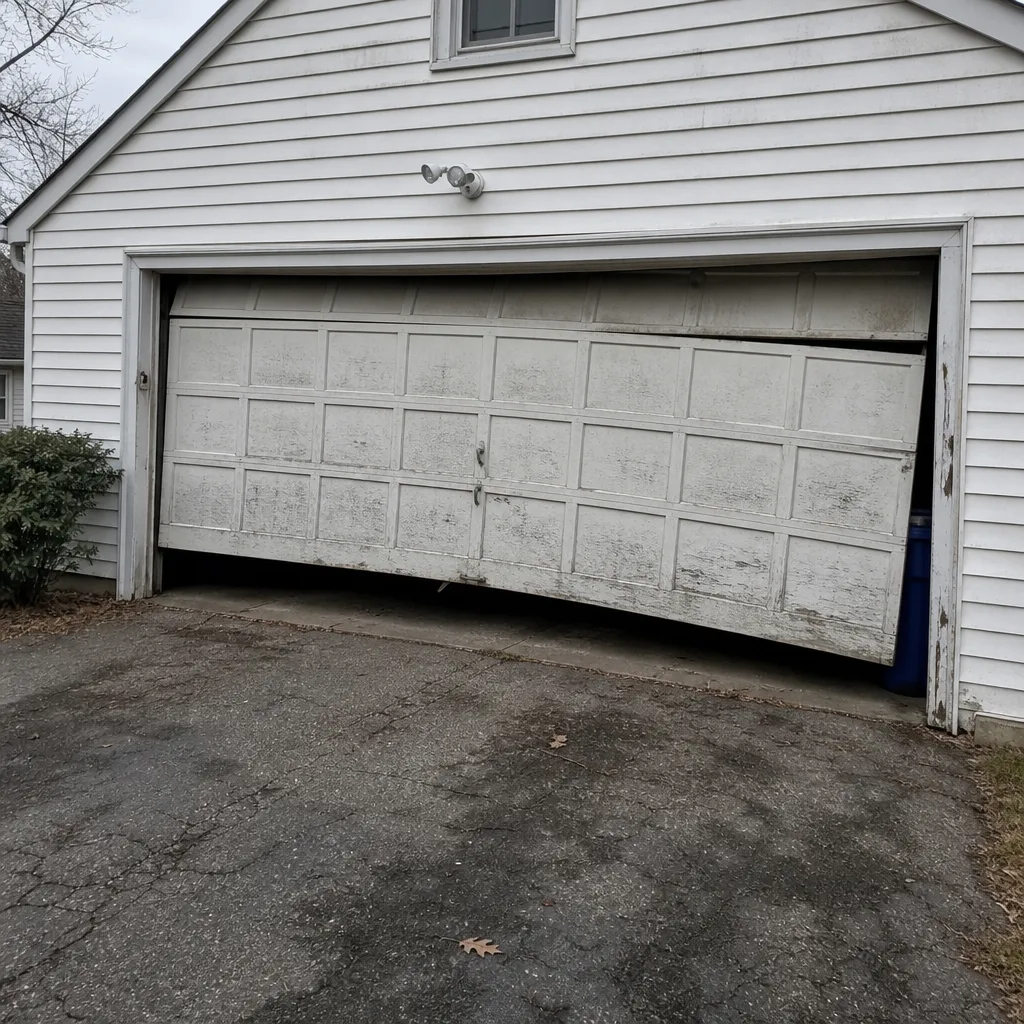 Before
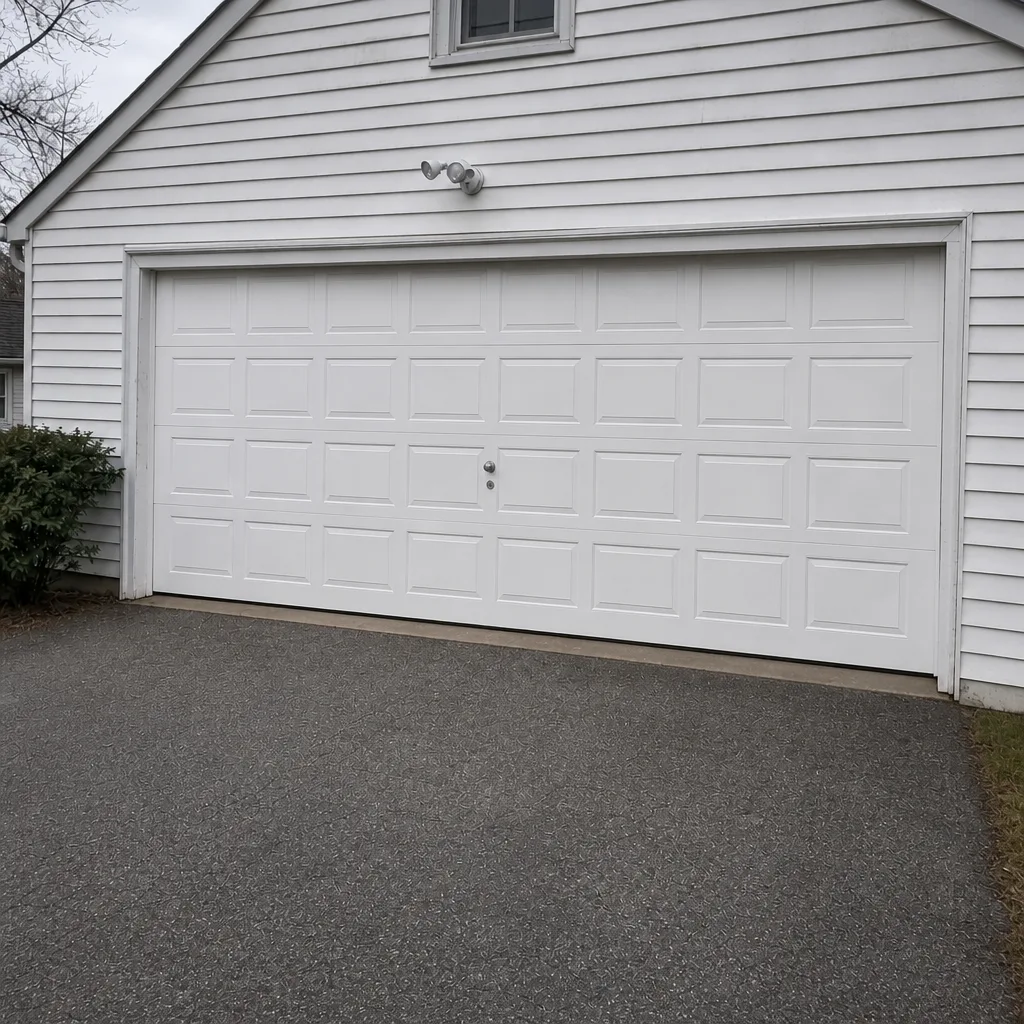 After
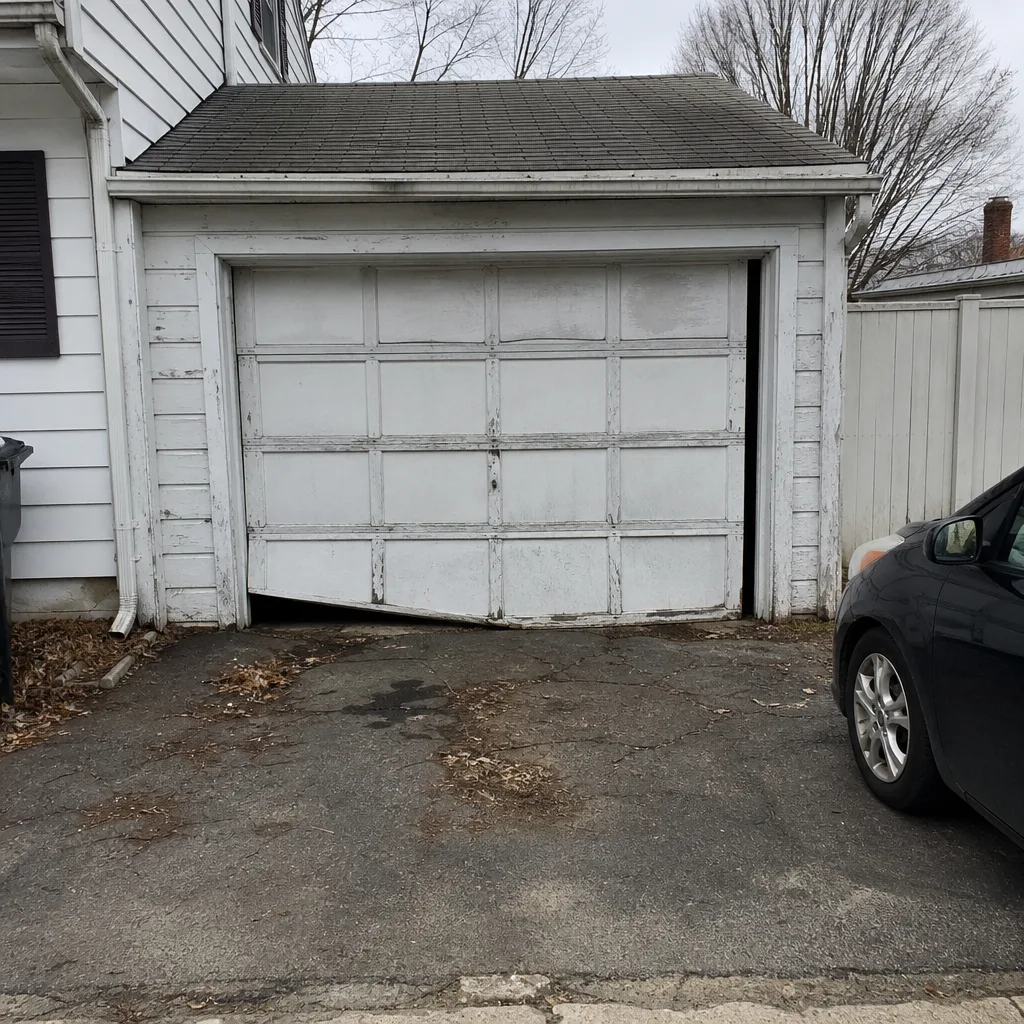 Before
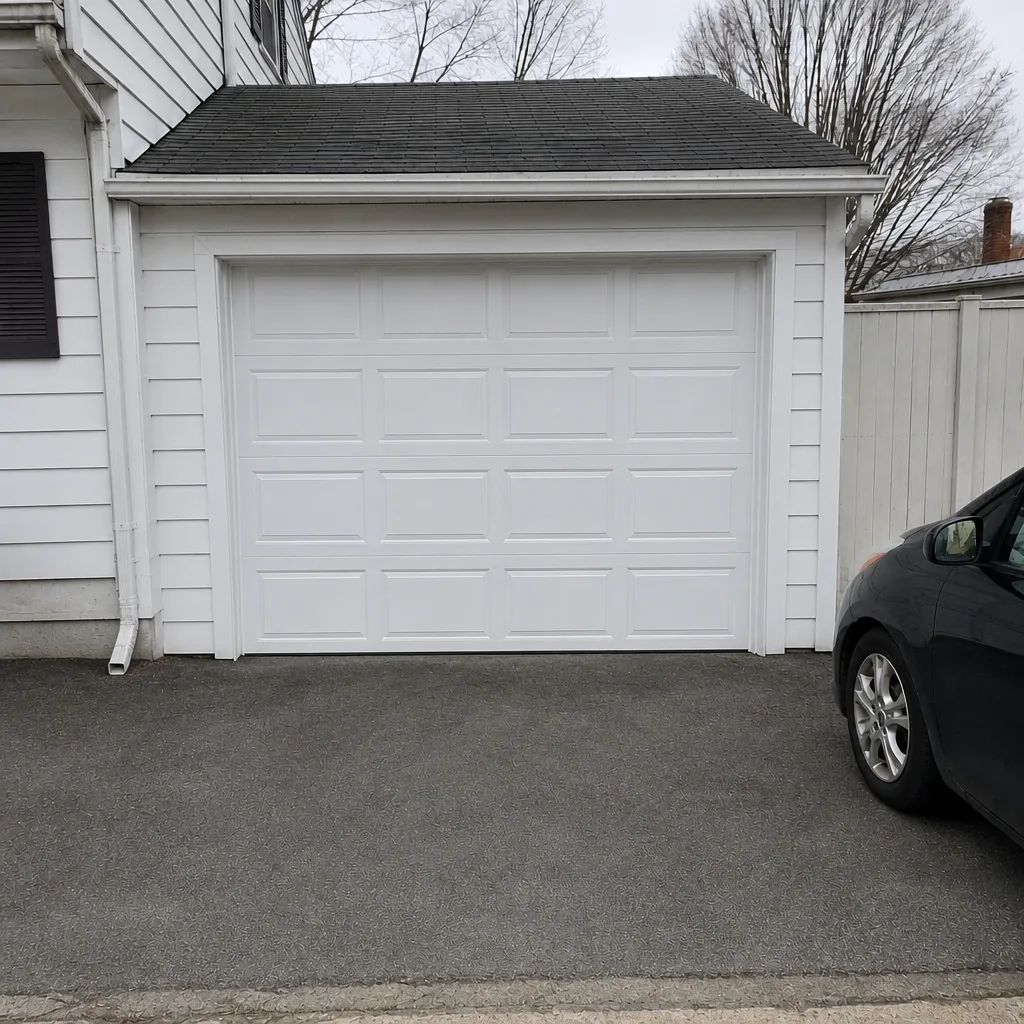 After
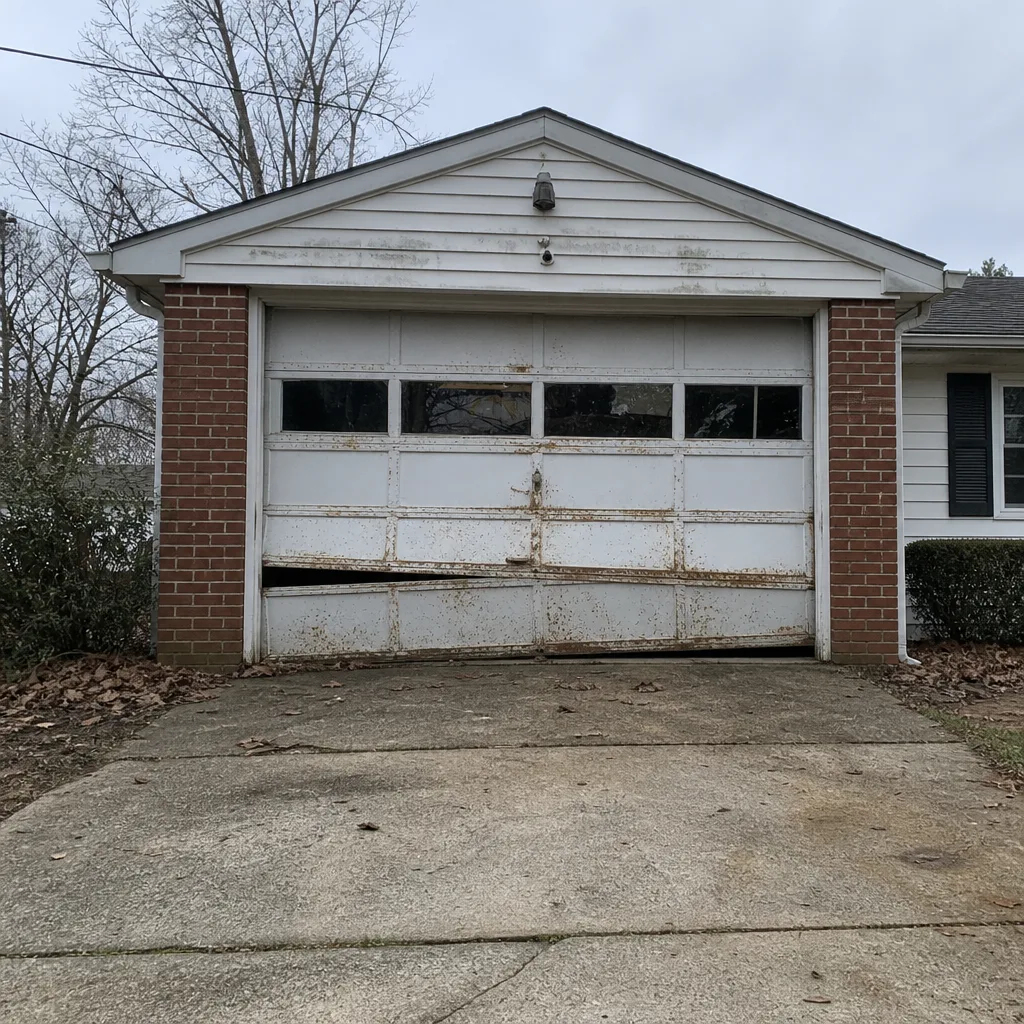 Before
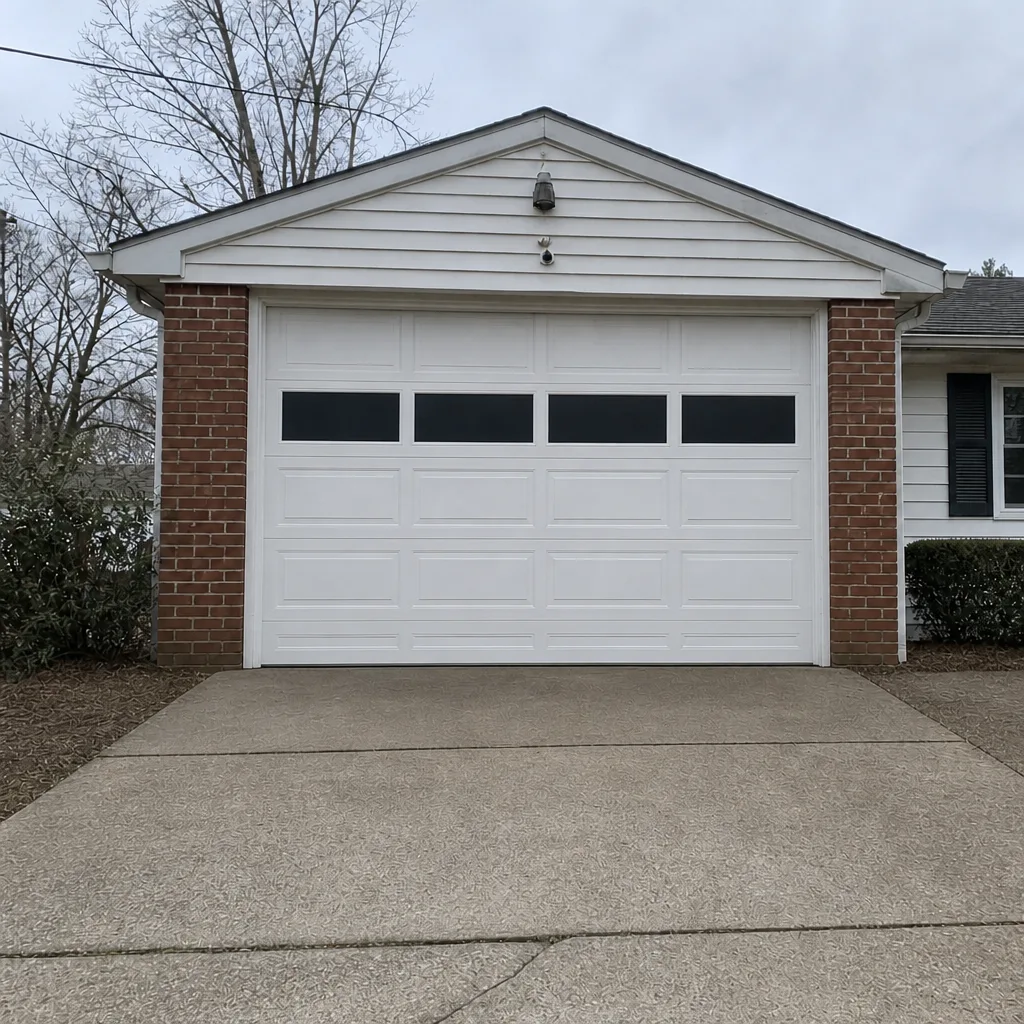 After
When to Call a Professional
Some garage door problems are genuinely minor and can wait. Others need a trained professional, and a few are dangerous to touch. Call a professional when the door won’t open or close, when you can see a gap in a torsion spring, when a cable is slack or off its drum, when the door has come off its track, or when the opener’s safety reverse doesn’t work. Those are the situations where the risk of injury or further damage is real.
For routine work, a professional is still worth calling when you’re not sure. A technician can tell you in minutes whether you’re facing a repair or a replacement, and that’s the decision that determines the cost. Our technicians have up to 8 years of experience with the sort of wear and tear that Haverhill’s older homes and cold winters produce. Haverhill Garage Door Repair Pros offers free estimates in Haverhill – call (877) 792-5986. We answer 24/7, with fast dispatch from 7am to 7pm, Sunday through Friday, and the price is quoted and agreed before any work starts.
Frequently Asked Questions
Spring repair in Haverhill typically runs roughly $180 to $340 for a single spring, depending on the door’s height, the spring type and how accessible the hardware is. Because springs are usually replaced in matched pairs, a pair replacement costs about twice that. The written estimate you receive is the final price, and it’s agreed before any work starts. Call (877) 792-5986 for an exact quote – estimates are free.
Yes, a door that won’t close is exactly the kind of job we prioritize for same-day service. We answer 24/7, with fast dispatch from 7am to 7pm, Sunday through Friday. We’re closed on Saturday, so a call outside dispatch hours is booked into the next opening. Call (877) 792-5986 and tell us what the door is doing.
No. Once we’ve diagnosed the issue and quoted a price, that quoted price is what you pay for the agreed scope of work. If the problem turns out to be something different or larger than described, we’ll explain what we found and get your agreement on any change before the work continues. You won’t be surprised by an invoice bigger than the quote.
The local professional we connect you with is licensed and insured as Massachusetts requires. Our technicians have up to 8 years of experience working on the major door and opener brands, including LiftMaster, Wayne Dalton, Raynor and Craftsman.
Permit requirements vary by project and can change, so the right answer is to check with Haverhill’s building department before work starts. They can tell you what your specific replacement requires. We can work through the project scope with you so you know what to ask.
Yes. We work on your brand rather than steering you toward one manufacturer. Our coverage spans door manufacturers like Clopay, Amarr, Wayne Dalton and Raynor, plus opener brands including LiftMaster, Chamberlain, Genie and Craftsman. If you’re unsure what’s on your door, call (877) 792-5986 and we’ll help you identify it.
The Bottom Line
Haverhill’s older housing stock and long freeze-thaw winters create a specific set of garage door problems that generic advice doesn’t address. The door has to match the opening, the hardware has to survive the cold, and the springs have to be treated as the safety-critical component they are. Repair is the honest answer when the structure and panels are sound and the fault is mechanical. Replacement makes sense when several systems are failing at once or the door no longer fits the opening. Whichever you’re facing, get a written estimate, agree the price before work starts, and don’t take on spring work yourself. We work on your brand, we diagnose before we quote, and we’ll tell you which solution actually makes sense for your door. Call (877) 792-5986 for a free estimate.
Written by the team at Haverhill Garage Door Repair Pros.