
Last updated November 22, 2026
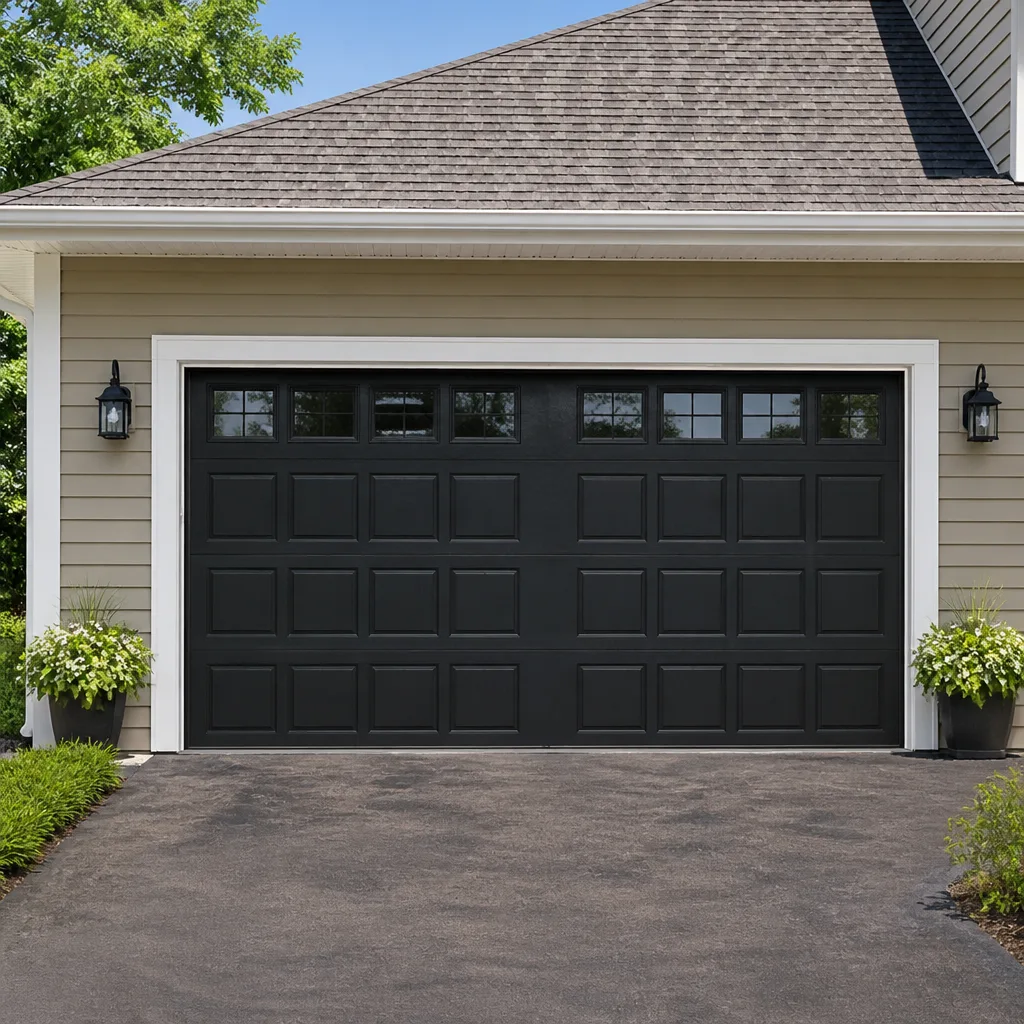 Raised-panel steel
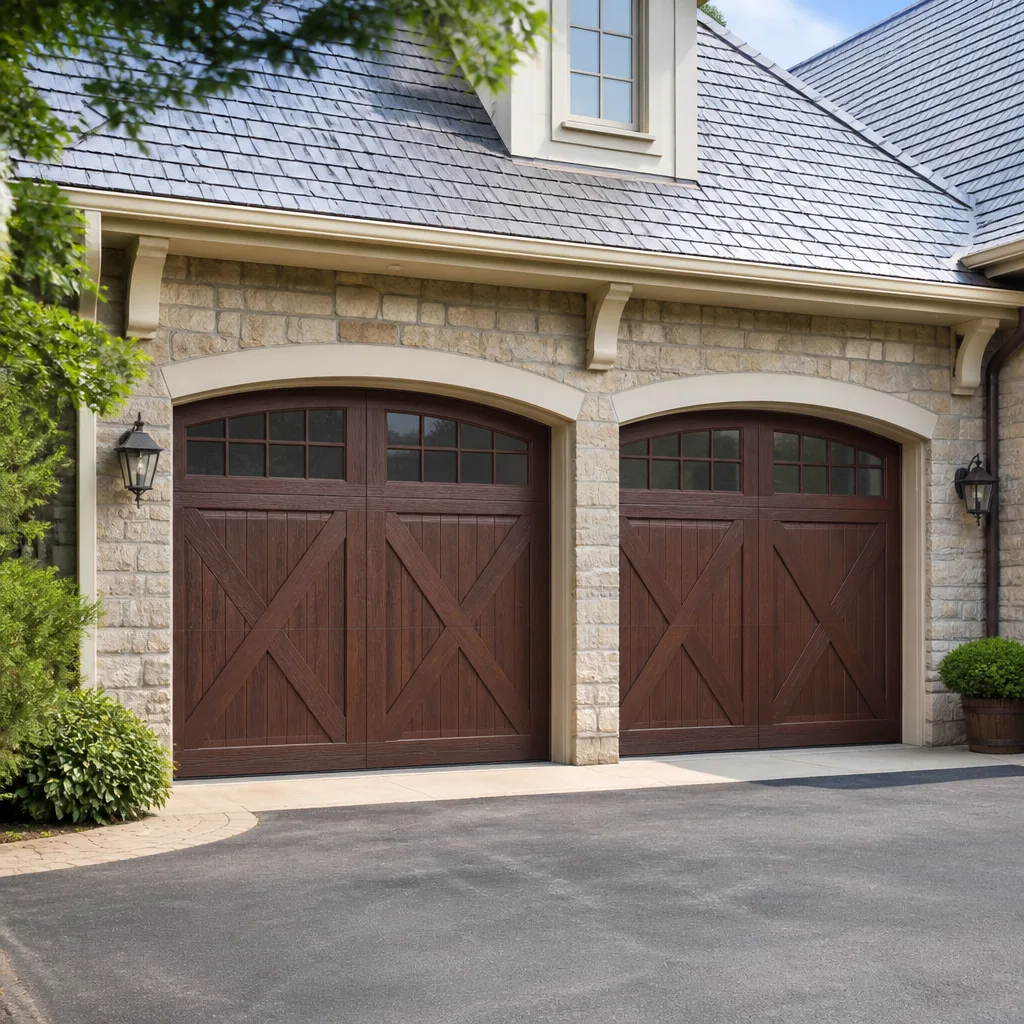 Carriage house
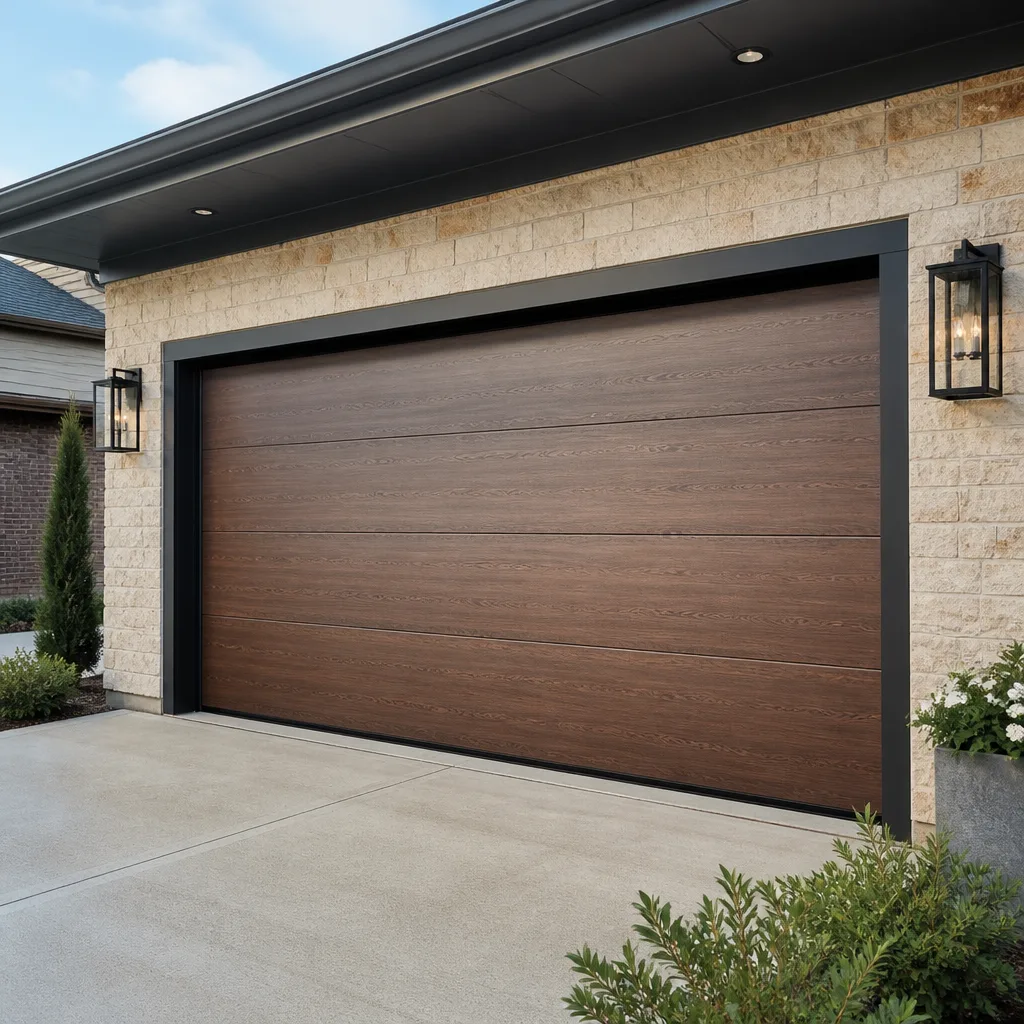 Modern flush
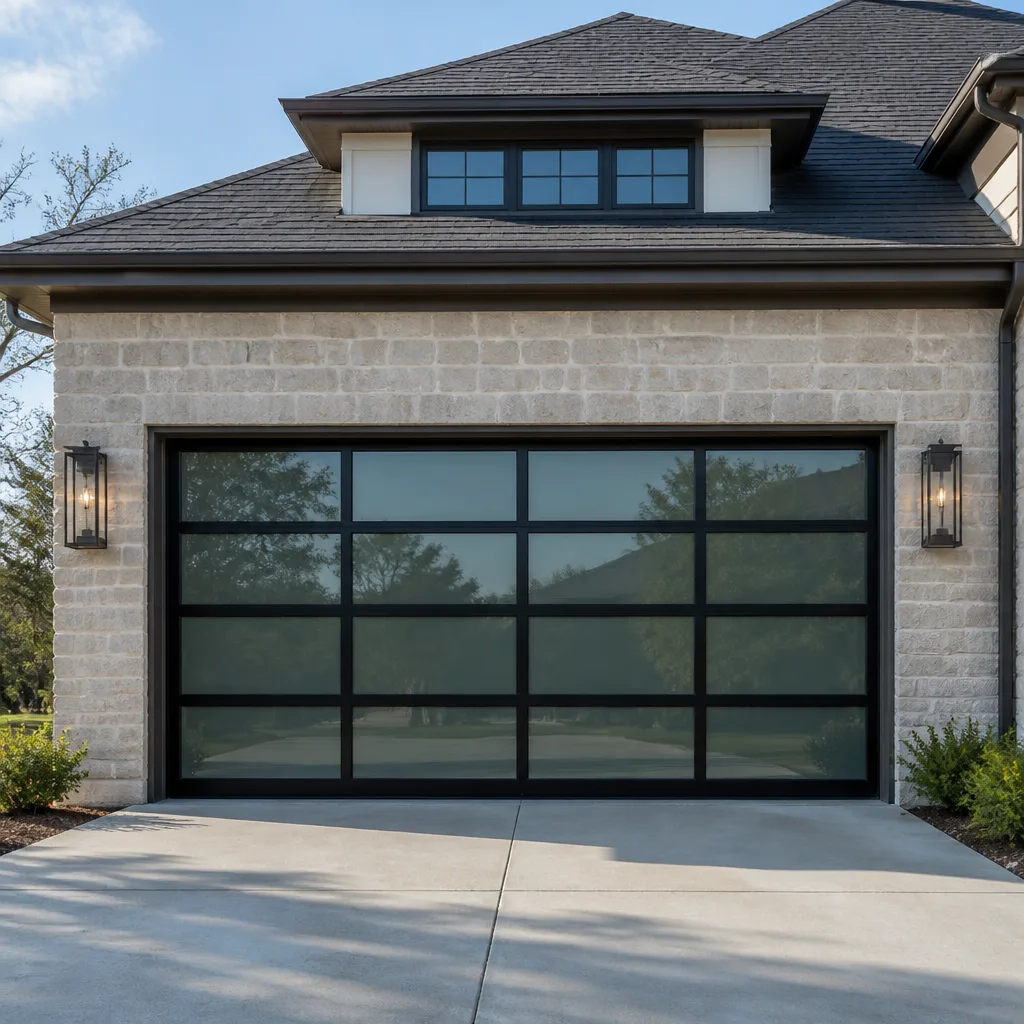 Full-view glass
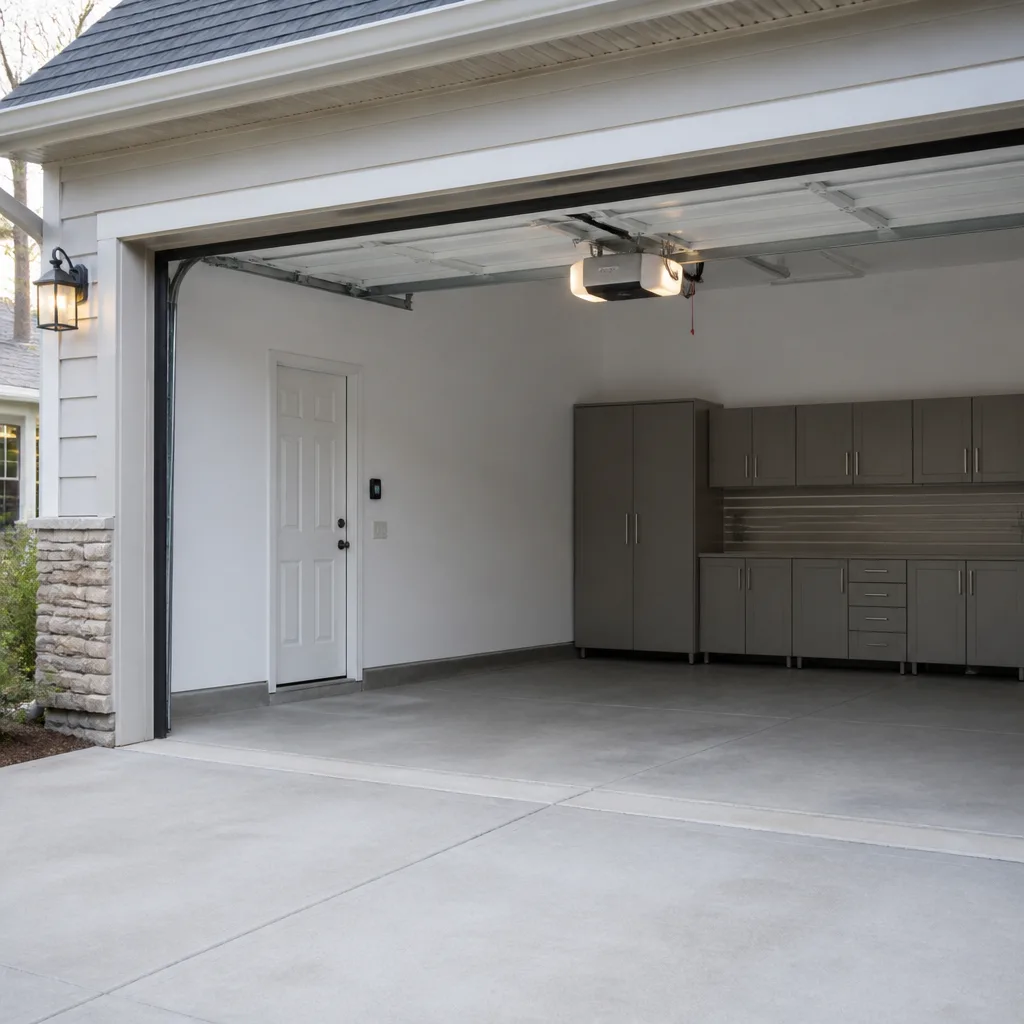 LiftMaster openers
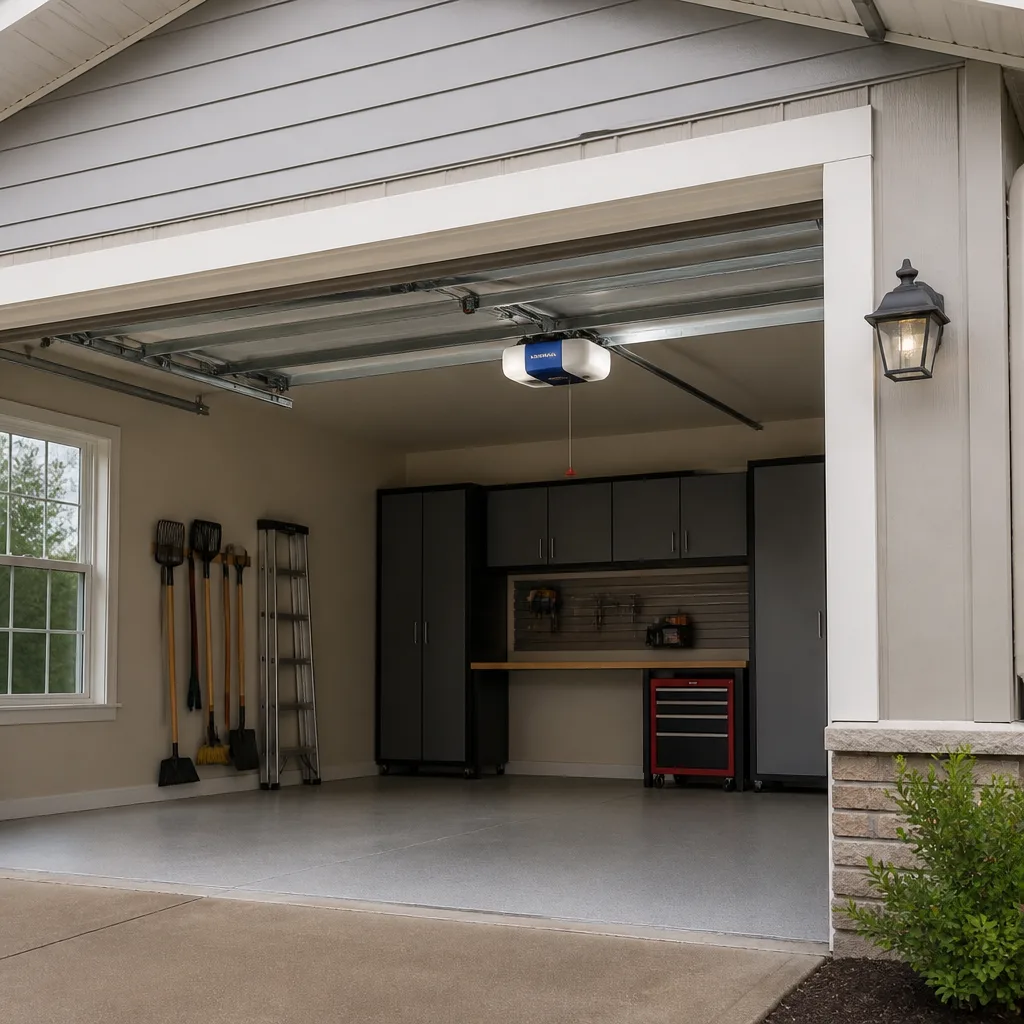 Chamberlain openers
Full 25-point door and opener safety check with every visit - springs, cables, rollers, tracks, and your LiftMaster or Chamberlain opener included
You get a price before we start. It does not change when the pro arrives.
Get your free estimateGarage Door Emergency Preparedness Guide for Haverhill Homes
Most garage door emergencies are not really surprises. The door that won’t close during a February nor’easter, the opener that goes dead after a tree takes out the power on a Haverhill side street, the door stuck half-open at 11 PM while you’re deciding whether to leave it and sleep – these arrive on a schedule set by weather, wiring, and spring fatigue. What separates a bad night from a manageable one is almost never luck. It’s whether you labeled the emergency release cord, whether you know how to test that release before you need it, and whether you know what to say when you call. This guide covers those preparations and the calls that follow. You’ll finish knowing how to get your car out when the power is gone, how to secure a stuck door in Haverhill’s winter, and what to have ready before you dial.
Quick Answer
Garage door emergency preparedness in Haverhill comes down to three habits: test your manual release cord before every winter storm season, keep a labeled zip tie on the release handle so nobody yanks the wrong thing in the dark, and have your door’s brand and symptom ready before you call for service. If the door is stuck right now, call (877) 792-5986 – we answer 24/7, with fast dispatch from 7am to 7pm, Sunday through Friday.
Styles & brands we work with
- Raised-panel steel
- Carriage house
- Modern flush
- Full-view glass
- LiftMaster openers
- Chamberlain openers
Table of Contents
- Why Haverhill Doors Fail at the Worst Time
- The Emergency Release Cord: How It Works and How It Breaks Things
- The 30-Second Prep: Label Your Release Cord
- Pre-Storm Checklist for Haverhill Nor’easters
- Stuck Open in Winter: Temporary Security and Weatherproofing
- The Phone Call Protocol: What to Have Ready
- When It’s a Spring: Why You Stop and Call
- Power Problem or Mechanical Problem? How to Tell
Why Haverhill Doors Fail at the Worst Time
Garage doors are outdoor machinery, and in Haverhill they live through a hard range. January cold stiffens grease in the opener rail and makes torsion springs more brittle. A wet, freezing stretch swells the wood of older door panels and warps the bottom seal so it drags. Summer humidity does the opposite, rusting rollers and stiffening hinges. Every one of those cycles loads stress onto the same parts: springs, cables, rollers, and the opener’s drive gear.
None of that fails politely. A torsion spring that’s been weakening for months tends to snap on the coldest morning of the year, which is exactly when you need the door to open at 6 AM. An opener that’s been straining against a dragging seal burns out its capacitor during a week you’re away and the door stays shut. The door doesn’t care about your schedule.
Haverhill’s housing stock adds another layer. The city has a deep mix of older homes, and plenty of garages here were built when doors were heavier and openers were simpler. If your door is a Craftsman or Raynor model that’s been on the house a while, its springs and opener are working against decades of temperature swings. That equipment still works fine when it’s maintained. It just doesn’t get more forgiving with age.
The counterintuitive part is this: homes that handle emergencies well are rarely the ones with the newest equipment. They’re the ones where the homeowner spent a few minutes on preparation during a calm week. The rest of this guide is those few minutes, spelled out.
The Emergency Release Cord: How It Works and How It Breaks Things
Every automatic garage door has a manual release, and it’s the single most misunderstood piece of hardware on the whole system. The red handle hanging from the opener rail is connected by a cord to a trolley that rides along the rail. Pulling it down disengages the trolley from the door’s carriage, which lets you lift the door by hand. That’s it. It doesn’t lock or unlock anything, and it doesn’t reset the door.
Here’s the failure mode that catches people. The release is designed to be pulled when the door is closed and the springs are intact. Pull it while the door is up and the springs are holding tension, and the door can come down hard. Pull it when a spring has already snapped, and there’s no counterbalance left – the full weight of the door is on the cables and on you. A double-car door can weigh a couple hundred pounds. That’s not a load to catch one-handed at 11 PM.
Re-engaging the cord has its own trap. Once you’ve pulled the release and moved the door by hand, the trolley has to reconnect before the opener will work again. That means pulling the release cord again to reset the lever, then running the opener so the carriage reconnects to the trolley. If the door is out of position or a spring is broken, re-engaging can force the opener to fight the door’s weight, which is how people burn out a gear or snap a cable.
What to keep in mind:
- Pull the release only when the door is fully closed.
- Never pull it if you suspect a broken spring – the door will drop.
- Once manually opened, don’t re-engage the opener until the door is confirmed to be running smoothly by hand.
- If the door won’t stay up on its own after releasing, the springs are the problem, not the cord.
What you actually do with the release cord during a power outage is a separate, safer set of steps. We cover the sequence in our guide to garage door repair for the mechanical side; for emergencies, the rule is simple: closed door, then release, then lift slowly and prop the door if it won’t hold.
The 30-Second Prep: Label Your Release Cord
This is the preparation that prevents the most common manual-release mistake, and it costs about thirty seconds and one zip tie. The mistake is simple: someone in the house, half-asleep or in the dark, grabs the release cord thinking it’s something else and drops the door. Or a kid pulls it because it’s the only thing hanging within reach. Or a guest yanks it while trying to close the door manually.
Here’s the fix, in numbered form:
- Get a bright-colored zip tie, something that stands out against the door frame and the opener rail.
- Loop it around the release cord a few inches above the handle, snug but not tight enough to compress the cord.
- Write “EMERGENCY RELEASE – PULL ONLY WHEN DOOR IS CLOSED” on a small tag or piece of tape, and attach it to the zip tie.
- Add a second tag higher up, near the trolley, if anyone in the house is shorter and might reach that part of the cord by accident.
- Show everyone in the household – including anyone who might house-sit – where the cord is and what it does.
That’s the whole preparation. It sounds almost too small to matter, but in practice the most common reason a door gets dropped on a car or a person is that the release cord got pulled without understanding. A bright zip tie and a label is the cheapest insurance on the whole door.
Pair it with a quick check that the cord actually still works. Once a year, before storm season, pull the release gently with the door closed, lift the door a few inches by hand, then set it back down and re-engage the opener. If the release feels stuck, or the door won’t lift smoothly, that’s a service call before the storm, not during it.
Pre-Storm Checklist for Haverhill Nor’easters
Haverhill gets the full version of a New England winter: nor’easters, ice storms, and the occasional stretch where the power flickers for days. The garage door takes a beating in each of them. A short checklist before the storm hits does more good than any emergency response afterward.
Run through this the week before a forecast storm:
- Clear the bottom seal. With the door closed, sweep leaves, ice, and salt grit away from the threshold. A seal packed with debris can’t sit flat, which lets water in and forces the opener to strain when it closes.
- Test the manual release. Pull the release with the door closed, lift it a few inches, set it down, and re-engage. If you can’t lift the door by hand with reasonable effort, the springs are losing tension and should be checked before the storm.
- Check the opener’s backup battery. Most modern openers from LiftMaster and Chamberlain ship with a backup battery that lets the door run a few cycles when the power is out. Check the status light on the unit and confirm the battery is charged. If your opener doesn’t have one or the battery has aged out, that’s worth knowing now.
- Look at the door’s balance. Disengage the opener and lift the door halfway by hand. It should hold roughly in place. A door that drifts down is telling you the springs are weak.
- Inspect the weather seal. A cracked or detached bottom seal lets freezing water pool under the door. Replace it before the ice arrives, not after.
- Clear the tracks. Check for rust, grit, or anything that snagged over the summer. A clean track is a door that runs through the storm.
If any of that comes back shaky – especially the balance check or a release that doesn’t feel smooth – that’s the moment to schedule service. Our garage door spring repair team can look at the balance issue and confirm whether you’re facing a spring replacement. Do it in the calm week, not the icy morning.
Stuck Open in Winter: Temporary Security and Weatherproofing
A door stuck open in a Haverhill January is two problems at once: your house is open to the weather, and it’s open to anyone walking by. You can’t always get a technician immediately, so you need a temporary solution that actually holds. Here’s how to think about it.
For security, the priority is making the garage look occupied and making the opening hard to move through. A few options that work while you wait for service:
- Park a car across the opening. If you have a second vehicle, park it as close to the doorway as you reasonably can. It won’t stop a determined person, but it slows anyone down and signals that the house is awake.
- Run a cable or chain through the door’s lift handles and lock it. Many doors have handles on the inside panels. A through-cable with a padlock makes the door much harder to lift further.
- Block the opening with a heavy piece of furniture or a secure board. A tall, weighted object across the opening keeps casual eyes off the interior and slows access.
- Turn on exterior lighting. A lit driveway is a deterrent, and it helps you see the door’s actual position.
For weatherproofing, the goal is to keep wind and snow off the opening and keep a bit of heat inside. A heavy tarp tied across the frame from the outside, weighted at the bottom, will hold against a normal gust. Inside, close the door between the garage and the house and keep the interior door weather-sealed. Don’t try to force the door closed by hand if it’s jammed or a spring is compromised – you’ll bend tracks or warp panels, and that turns a repair into a replacement.
One thing worth flagging for a stuck door in winter: don’t pour hot water on a frozen track. It refreezes and makes the problem worse. Warm water, applied slowly, or a gentle thaw is the safer approach. If the freeze is in a moving part, leave it alone and call for service.
The Phone Call Protocol: What to Have Ready
When a door is stuck, the call is where a lot of time gets lost. The fastest way to get help is to have specific information ready before you dial. Here’s what to have on hand:
- Your door’s brand and model. LiftMaster, Chamberlain, Genie, Craftsman, Clopay, Amarr, Wayne Dalton, Raynor – knowing which you have means the technician arrives prepared for your system.
- What the door is doing. Won’t open, won’t close, opens partway and reverses, makes a loud noise, hangs at an angle, or the opener runs but the door doesn’t move. “Stuck” is less useful than “the opener cycles but the door stays put.”
- Is the door up, down, or half-open? This changes what’s safe to do next and how urgent it is.
- Is anyone trapped or is a car blocked? Say this early. It’s the difference between an emergency and an inconvenience.
- Any visible damage. A snapped spring, a cable hanging loose, a bent track, a door hanging crooked.
- The power situation. Have you lost power, or is the door dead even with the house powered?
- Your address and the best number to reach you. The simple stuff still saves time.
The urgency rule: if the door is stuck open and nobody is home to watch it, or if someone is trapped inside, or if a car is blocked from leaving for work, that’s a real priority. If the door won’t close but the house is secure and you’re not going out, it can wait for the next scheduled dispatch window. Describing which one you’re in helps dispatchers prioritize correctly – and it helps you get an honest answer about timing.
Our garage door opener repair team handles the opener side of these calls across all the major drive systems, so you’re not sending a generalist to guess at your equipment.
When It’s a Spring: Why You Stop and Call
Spring repair is the one part of a garage door that absolutely should not be a DIY project, and it’s worth being blunt about why. The springs above your door (torsion) or alongside it (extension) hold enormous stored energy. A torsion spring is wound under tension, and when it fails – or when someone tries to adjust it with the wrong tools – it releases that energy with no warning. The result can be a serious injury. Every year, garage door springs hurt people who tried to fix them at home.
So what do you actually do when a spring snaps? The door will usually behave in a way that tells you. It might come down hard, or it might become so heavy you can’t lift it. You might hear a loud bang from the garage. There may be a gap in the spring coil. In all of those cases:
- Don’t pull the release cord – the door has no counterbalance and will drop.
- Don’t try to force the door open or closed.
- Keep people and cars clear of the door.
- Call for service and describe what you heard and what the door is doing.
A spring replacement is a professional job. Our technicians have up to 8 years of experience, and spring repair is one of the services we treat as a specialty rather than a general handyman task. If your door is a Clopay or Wayne Dalton model, we know the standard spring setups for those brands and can get the right part. Match a pair of springs – never a single spring on a door designed for two – and don’t try to tension them yourself.
Power Problem or Mechanical Problem? How to Tell
When the door won’t move, the first question is whether it’s an electrical problem or a mechanical one. Getting this wrong sends you down the wrong fix. Here’s the diagnostic in plain terms:
- Check the obvious power first. Is the outlet the opener plugs into live? Is the circuit breaker tripped? Is the opener’s own light on?
- Look at the opener’s lights and sounds. If the opener’s light turns on when you press the remote, the opener is getting power. If the opener clicks but the door doesn’t move, the drive is the issue. If there’s no click and no light, it’s likely power or the opener’s internal board.
- Try the wall switch. If the remote doesn’t work but the wall switch does, the issue is in the remote or its receiver, not the opener or the door.
- Try the manual release. If you can lift the door by hand with normal effort after releasing it, the door and springs are fine and the opener is the problem. If the door feels extremely heavy or won’t hold, the springs are the issue.
Two more clues worth knowing. First, if the door opens partway and reverses, the safety sensors near the floor are probably being blocked or misaligned. That’s often a quick fix, but it’s also the top reason a door “won’t close.” Second, if the opener hums but the door doesn’t move, the drive gear or the carriage is the likely culprit. That’s a shop repair for a technician, not a homeowner fix.
Once you’ve identified which side of the problem you’re on, you can have a real conversation with dispatch. “The opener hums but the door doesn’t move” and “the door is dead even though the house has power” are two different calls, and they get two different responses.
Common Mistakes to Avoid
- Pulling the emergency release with the door up. With the springs under tension the door can come down hard. Pull it only when the door is fully closed, and never if you suspect a broken spring.
- Trying to fix a spring yourself. Torsion springs hold enough stored energy to cause serious injury. Leave them to a trained technician.
- Forcing a stuck door by hand. Pushing or pulling a jammed door bends tracks and warps panels, turning a repair into a replacement. If it doesn’t move with normal effort, stop.
- Pouring hot water on frozen tracks. It refreezes and makes the freeze worse. Use warm water slowly or thaw gently.
- Assuming the power is out when it isn’t. Checking the breaker and the opener’s light before calling saves a long conversation and possibly a service visit.
- Calling without your door’s brand. Knowing whether you have a LiftMaster, Chamberlain, Genie, or Craftsman opener lets the technician arrive with the right part instead of coming back later.
- Ignoring a dragging bottom seal. A seal that catches on the threshold strains the opener every cycle and is a common cause of a burned-out drive. Replace it before it fails.
See the difference
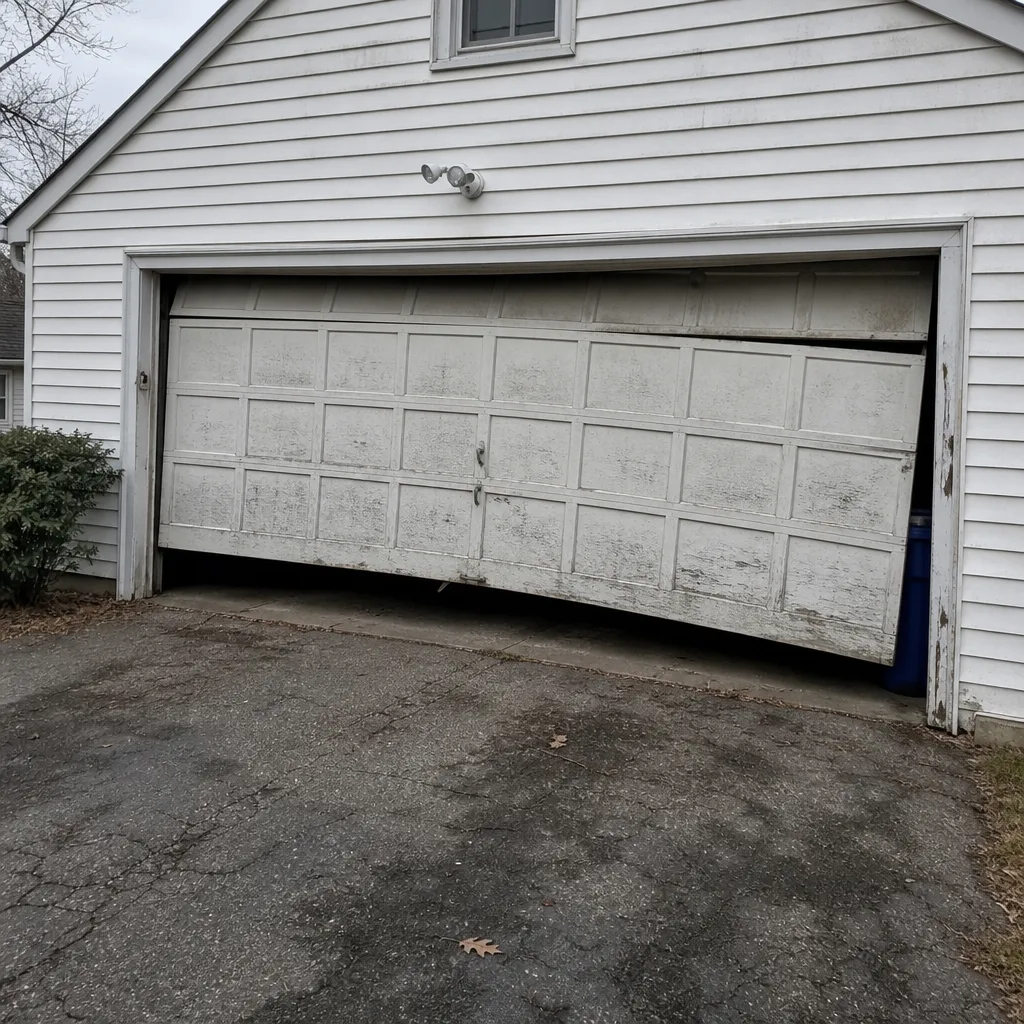 Before
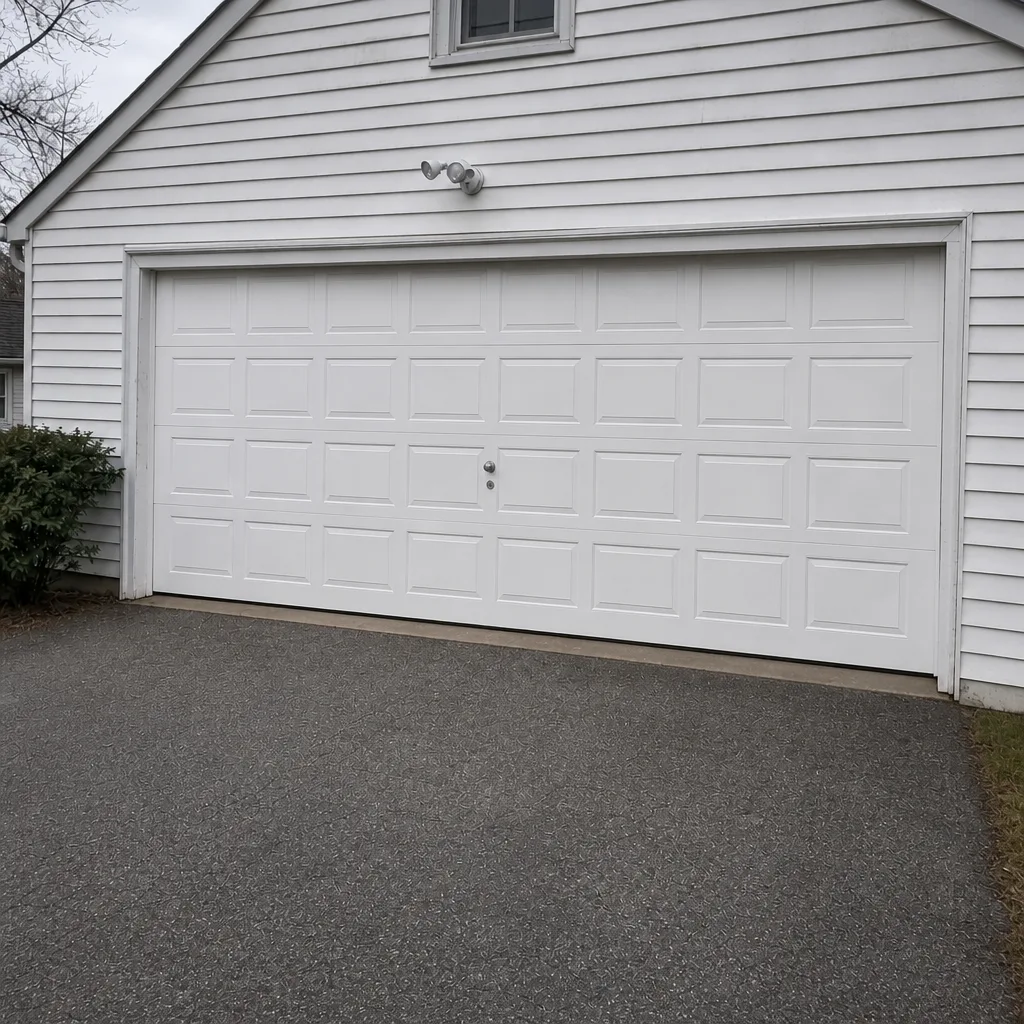 After
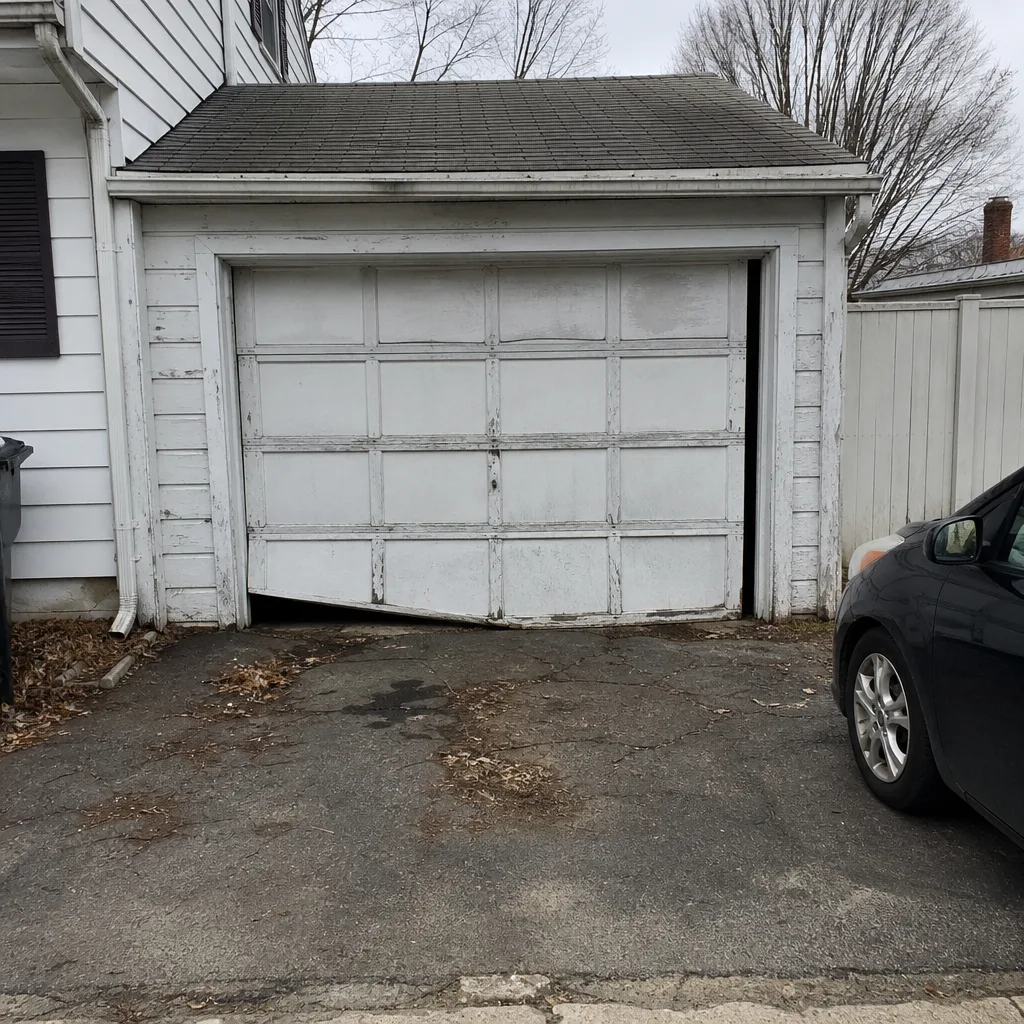 Before
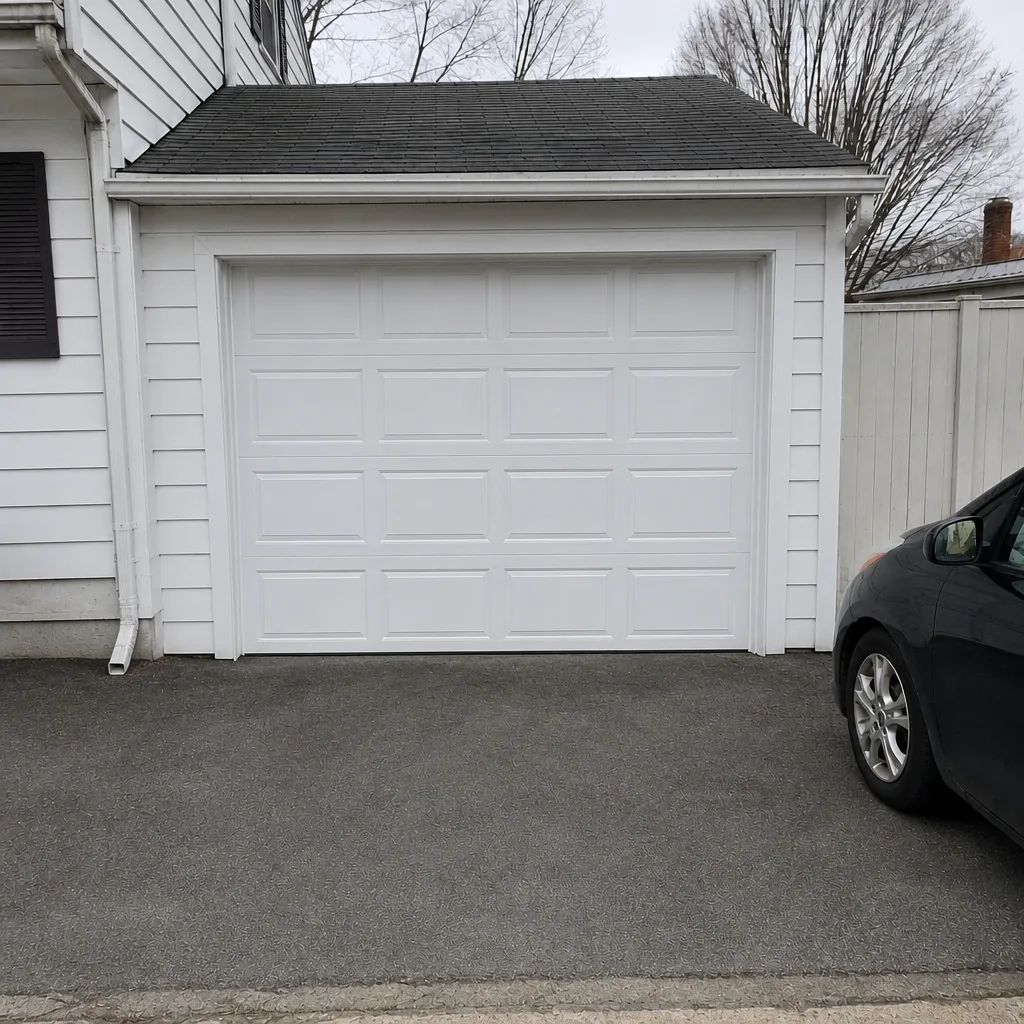 After
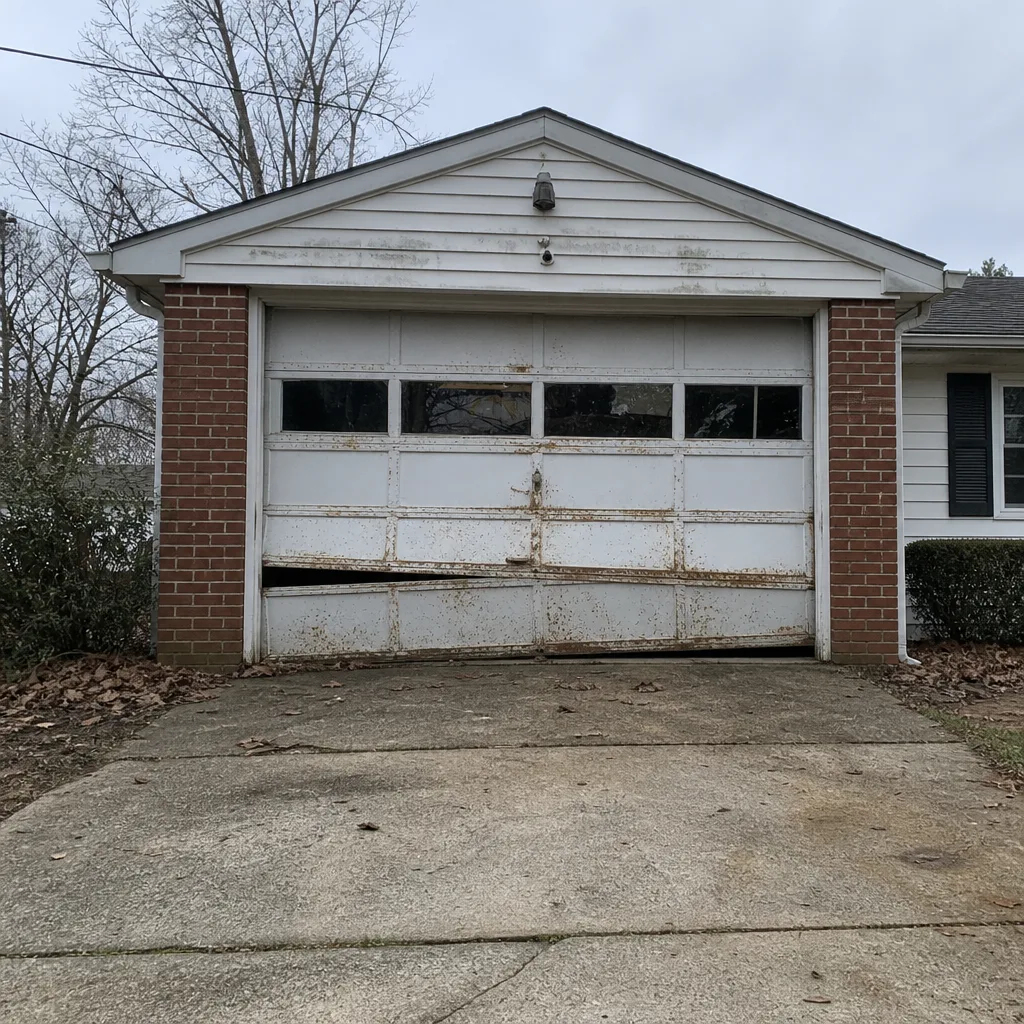 Before
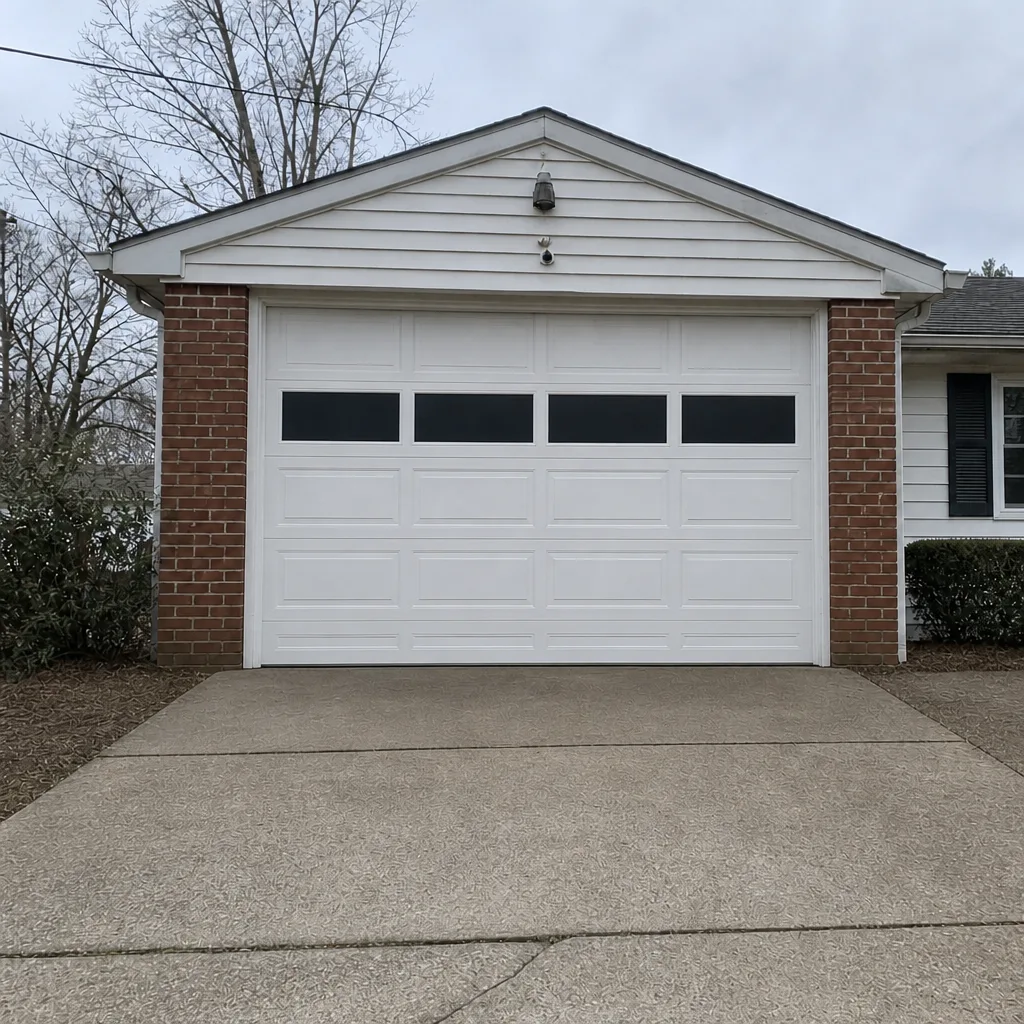 After
When to Call a Professional
Some garage door problems are genuinely a conversation, not a repair. If the door won’t close at all, if a spring has snapped, if a door is hanging crooked, or if anyone is trapped or a car is blocked from leaving, call for service before you try anything. The same goes for a door stuck open in Haverhill winter – that’s a security and weather problem that can’t wait for a convenient afternoon. If you’re unsure whether the issue is the opener, the springs, or the door itself, a visit answers it better than a phone guess. Haverhill Garage Door Repair Pros offers free estimates in Haverhill – call (877) 792-5986. We answer 24/7, with fast dispatch from 7am to 7pm, Sunday through Friday. The written estimate sets the price before any work starts.
Frequently Asked Questions
Pull the emergency release cord with the door fully closed, then lift the door slowly by hand. Once it’s up, prop it or hold it, because the door will not stay in position on its own unless you’re on a model with a working hold-open. If the door feels extremely heavy or won’t hold at all, the springs are the issue and you should stop and call for service.
No. With a broken spring the door has no counterbalance and will come down under its full weight. Keep the release cord untouched, keep people and cars clear, and call for spring repair. Our garage door spring repair team treats a snapped spring as an emergency and can tell you what to do while you wait.
The opener’s logic board or carriage often needs a reset after an outage, and some openers need to be cycled manually before they’ll re-engage. If the door has a broken spring or a jammed carriage, the opener can’t run it even with power restored. If a power reset doesn’t fix it, call (877) 792-5986 for an exact quote – estimates are free.
Only if the opener has a charged backup battery or you disengage the release and open it by hand. Most modern LiftMaster and Chamberlain openers ship with a backup battery that runs a few cycles, which is why checking that battery before storm season matters. If you’re not sure yours has one, that’s worth confirming before the next outage.
Park a vehicle across the opening if you can, lock a cable or chain through the door’s lift handles, and block the opening with something heavy. Turn on exterior lighting and keep the interior door to the house closed. Those measures will hold while you wait for service, and a stuck-open door in winter should be treated as a priority call.
The local professionals we connect you with are licensed and insured as their state requires. Our technicians have up to 8 years of experience and work across the major door and opener brands, including LiftMaster, Chamberlain, Genie, Craftsman, Clopay, Amarr, Wayne Dalton, and Raynor. Call (877) 792-5986 for an exact quote – estimates are free.
The Bottom Line
Garage door emergencies in Haverhill follow a pattern: weather, aging springs, and a door that gets tested when you least expect it. The homes that handle it well aren’t the ones with the newest equipment. They’re the ones where the homeowner labeled the release cord, tested the manual release before storm season, checked the opener’s backup battery, and knew what to say when the call came. None of that takes more than an afternoon, and all of it is worth more than any emergency response once the storm is already here. If your door is already giving you trouble, call (877) 792-5986. We answer 24/7, with fast dispatch from 7am to 7pm, Sunday through Friday. Free estimates, and the price is set before any work starts. Our Haverhill Garage Door Repair Pros team can diagnose the issue and tell you honestly whether it’s a repair or a replacement.
Written by the team at Haverhill Garage Door Repair Pros.