
Last updated November 22, 2026
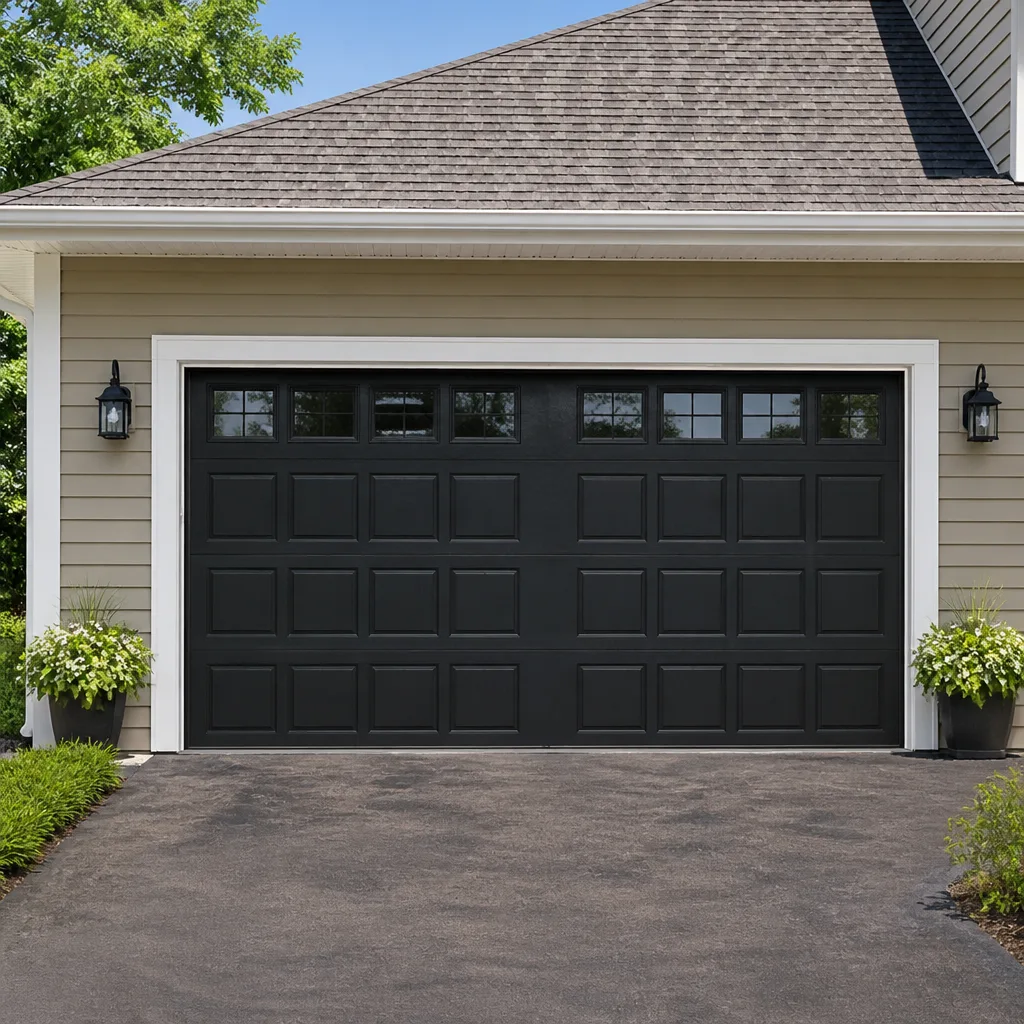 Raised-panel steel
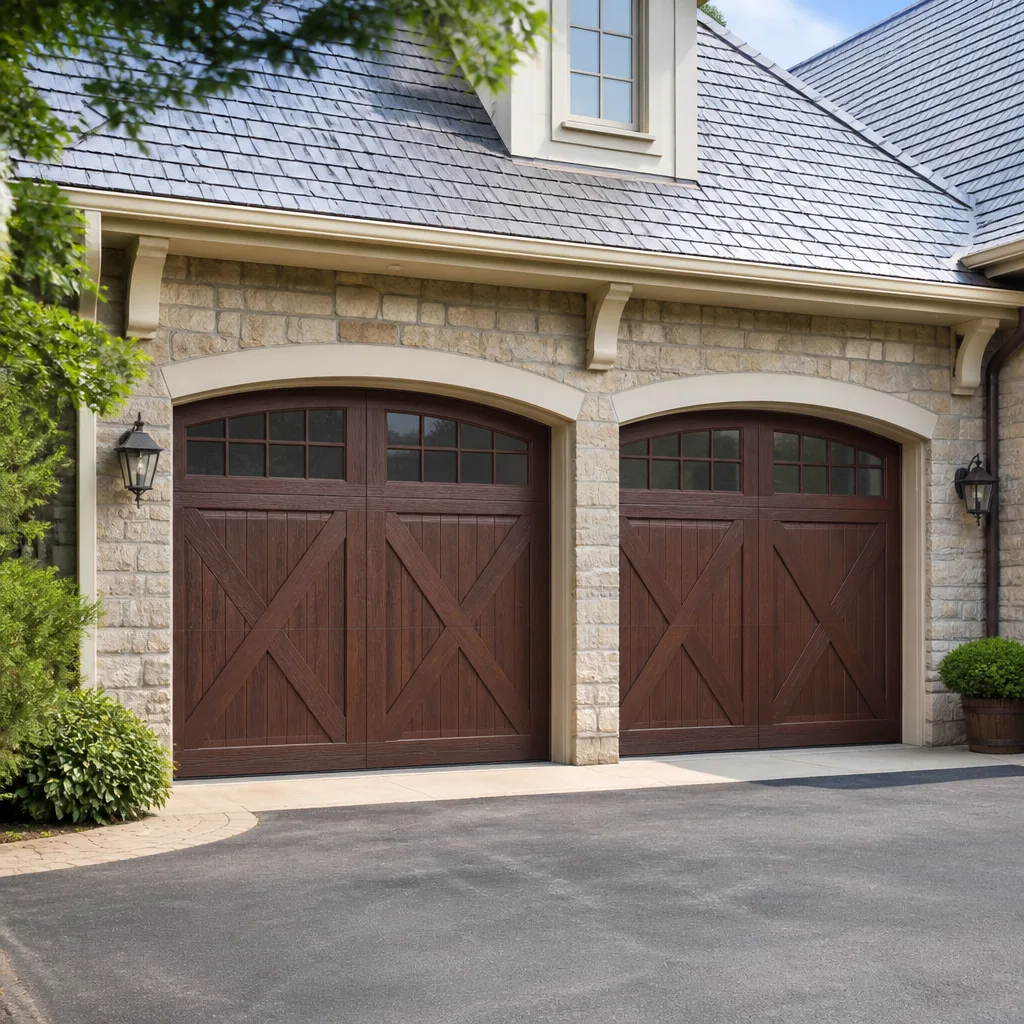 Carriage house
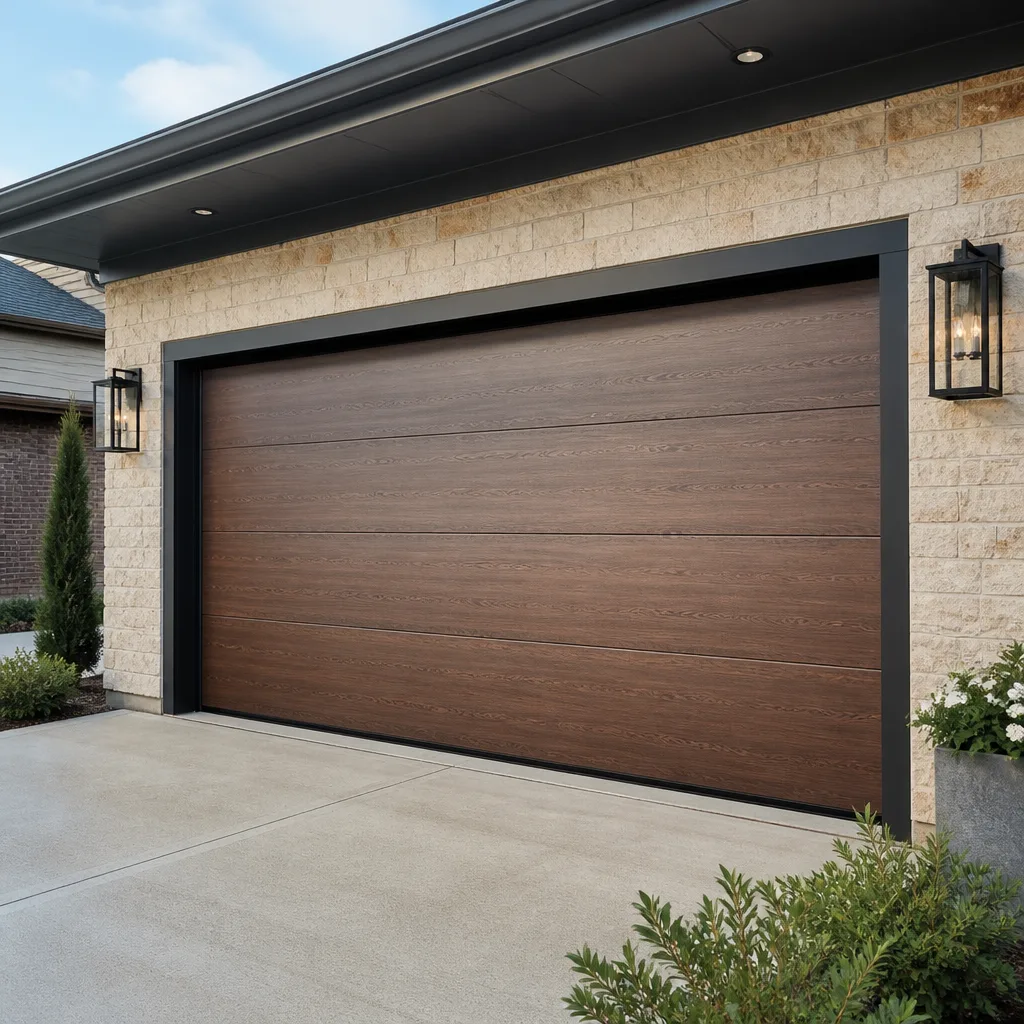 Modern flush
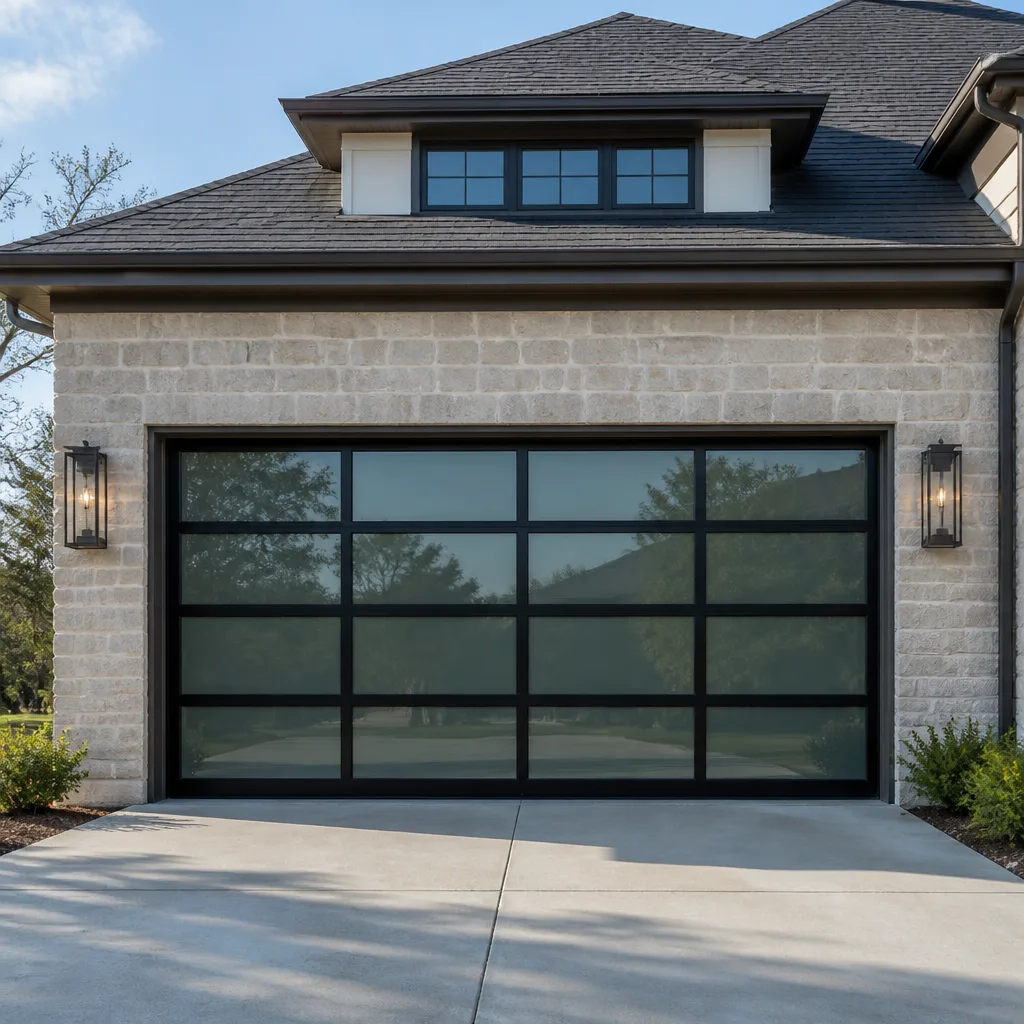 Full-view glass
 LiftMaster openers
 Chamberlain openers
Full 25-point door and opener safety check with every visit - springs, cables, rollers, tracks, and your LiftMaster or Chamberlain opener included
You get a price before we start. It does not change when the pro arrives.
Get your free estimateGarage Door Permits, Codes & Inspections in Haverhill, MA: What You Need to Know
Most homeowners assume a garage door swap is too simple to involve permits. In many cases, they’re right. Repairing a spring, replacing a roller, or swapping an opener usually doesn’t trigger a municipal review. But a full door replacement can affect your home’s fire separation rating, your insurer’s liability assessment, and your ability to close a home sale later on. None of that shows up in the contractor’s quote unless you know to ask about it first. This guide walks through when Haverhill’s rules actually kick in, what the state building code requires, and how to verify that your installation is covered correctly on paper.
Quick Answer
In Haverhill, MA, a garage door repair generally does not require a building permit, but a full door replacement often does because the door is part of your home’s fire separation assembly when the garage is attached. The Massachusetts State Building Code sets a statewide threshold, and Haverhill’s building department enforces it for residential work. If you’re replacing the door itself, ask for a written permit determination before work begins.
Styles & brands we work with
- Raised-panel steel
- Carriage house
- Modern flush
- Full-view glass
- LiftMaster openers
- Chamberlain openers
Table of Contents
- Repair vs. Replacement: When Does a Permit Apply?
- What the Massachusetts State Building Code Requires
- How Haverhill’s Building Department Handles Residential Garage Door Work
- Fire-Rated Doors for Attached Garages: The Code Point That Surprises Homeowners
- What Actually Happens During an Inspection
- How Unpermitted Work Shows Up at Resale
- What a Compliant Installation Looks Like on Paper
- Haverhill Neighborhood and Housing Context
Repair vs. Replacement: When Does a Permit Apply?
The first question to settle is whether your job counts as repair or replacement. Most homeowners never separate the two, but the code does, and the difference determines whether paperwork is involved. A garage door replacement in Haverhill that swaps out a door assembly is generally treated as an alteration, which is where permits come in. A repair to existing components usually isn’t.
Here’s the working split we use when homeowners ask:
- Repairs (typically no permit): replacing springs, cables, rollers, hinges, or weather seals; repairing or replacing an opener; adjusting tracks or rebalancing a door that’s off its level.
- Alterations (permit likely required): replacing the door itself, changing the door size, replacing the operator system as part of a larger alteration, or changing the opening framing.
- New construction additions: adding a new garage or door to a structure, which always requires a permit.
A door that’s mid-failure can usually be saved. That’s worth knowing before anyone starts the permit process, because the repair is cheaper, faster, and simpler to document. When a technician determines the panels are still structurally sound and only the hardware has failed, we can confirm that on site and move straight to garage door repair. When the panels are cracked, the door is out of alignment beyond correction, or the opener is being replaced as part of a broader upgrade, that’s the point to look at the permit question.
A practical rule: if you’re repairing what’s already there, it’s almost always a repair. If you’re swapping something out for something new, ask the question before anyone signs a contract. The answer takes five minutes with the building department and saves a lot of frustration later.
What the Massachusetts State Building Code Requires
Massachusetts works from a statewide building code rather than a patchwork of local codes, which means the threshold for when a permit is required is set at the state level. Cities like Haverhill adopt and enforce that code, but they don’t invent their own replacement rules. That’s good news for homeowners because the answer to “do I need a permit for a garage door replacement in Massachusetts?” doesn’t change when you drive across town lines.
What the state code focuses on, for residential garage door work, is the relationship between the garage and the house. Sections that deal with fire separation and means of egress are the ones that matter for a door replacement. The code doesn’t treat a garage door as a simple accessory; it treats it as a component of the building envelope and, where the garage is attached, as part of the fire-rated separation between the garage and the living space.
That distinction is what drives most permit decisions. When you replace a door, the new door has to maintain the fire separation rating of the original assembly. The inspector’s job is to confirm the new door matches or exceeds what the code requires for your specific attachment configuration. That’s why a replacement is documented and inspected; the state code doesn’t want the fire separation quietly reduced by an upgrade that looks nicer but doesn’t perform the same way.
What the state code does not do is tell you in one line whether your specific replacement job needs a permit. That determination depends on your home’s configuration (attached vs. detached garage, door size, whether framing is being altered), and it’s the local building department that makes it. The right move is to ask them directly with a description of your job.
How Haverhill’s Building Department Handles Residential Garage Door Work
Haverhill’s building department reviews residential permits with the same standards you’d see in other Massachusetts cities, and the process for a garage door replacement is straightforward when the paperwork is done properly. In our experience, most of the friction homeowners run into comes from one of three places: a contractor who didn’t check with the city, a door whose fire rating doesn’t match what the inspector expects, or a homeowner who skipped the permit because “it’s just a door.”
The typical flow for a permitted replacement looks like this:
- Confirm with the building department before ordering the door. A quick call or counter visit with your address and job description gets you a clear answer.
- Submit the permit application. The licensed contractor usually files this on the homeowner’s behalf, and it lists the door specification and the scope of work.
- Order the correct door. The spec on the permit has to match what gets installed, including fire rating and label.
- Schedule the inspection. After installation, the inspector confirms the door matches the permitted spec and that the fire separation assembly is intact.
- Get the sign-off recorded. The closed permit is your paper trail for insurance and future sale.
Where Haverhill differs from a purely procedural city is in the age of its housing stock. Many neighborhoods have homes built decades ago where original garage doors have been replaced once or twice without any record. When a new permit gets pulled, the inspector sometimes finds that the current door was never documented, which turns a simple replacement into a bigger conversation. That’s worth flagging in advance: if you don’t have a history on your current door, ask the building department what documentation they’ll want before you pull the permit.
For an opener repair or a spring job, the department generally isn’t involved. When the door itself is being swapped, they are. If you’re unsure which category your job falls into, an experienced garage door opener repair visit is a good chance to have the whole door assessed and get a straight answer about repair vs. replacement before any permit decision gets made.
Fire-Rated Doors for Attached Garages: The Code Point That Surprises Homeowners
This is the piece that catches most people off guard. If your garage is attached to the house, the wall between the garage and the living space is typically a fire separation assembly, and the door is part of that assembly. Replacing it with a door that doesn’t meet the same fire performance requirement can turn a clean, permitted job into a failed inspection.
What that means practically:
- The door’s fire rating has to be documented. A labeled door from a manufacturer like Clopay or Amarr comes with the rating printed on a label or in the spec sheet, and that label is what the inspector reads.
- The framing and weatherstripping matter too. A fire-rated door installed with the wrong threshold or with gaps around the edges doesn’t perform the way the label says it does.
- The door has to close against the assembly as designed. That means the track, the operator, and the seal all have to line up with what the door was built for.
Most homeowners don’t know their current door’s fire rating, and many can’t find the label on it. If you’re replacing an existing door on an attached garage in Haverhill and you can’t confirm the rating, ask the building department what they’ll accept as documentation. Sometimes the original spec sheet on file is enough. Sometimes the door has to be replaced with a labeled equivalent regardless of what was there before.
For detached garages, fire separation between garage and living space usually isn’t a factor in the same way, which simplifies the permit question considerably. But even in a detached structure, the door still has to be installed according to manufacturer specs, and the permit process for a replacement often still applies because the door is part of the building’s envelope and egress.
What we tell homeowners: don’t guess the fire rating. Get it confirmed before the door is ordered, because changing a fire-rated door after it’s installed is far more expensive than ordering the right one the first time.
What Actually Happens During an Inspection
The inspection itself is usually quick and mostly about documentation and visible confirmation, not a deep mechanical teardown. The inspector wants to see that the door on the wall matches the door on the permit and that the surrounding assembly is intact. If those two things are true, most inspections pass without drama.
What the inspector typically checks:
- Door identity. Manufacturer label and fire rating on the door, compared to the spec on the permit application.
- Attachment. That the door is properly fastened to the framing and the tracks are secure.
- Fire separation. That the wall, door, and any self-closing or sealing features still constitute a continuous fire separation assembly (for attached garages).
- Egress. That the door can be operated for egress, including from inside the garage.
- Operator safety features. That the opener’s safety reverse and photo-eye protections are functioning, since those are commonly required on a permitted replacement.
What the inspector does not do is set your spring tension or adjust your opener travel. Those are trade tasks and fall on the installer. The inspector confirms the assembly is correct and the permit can be closed.
One practical note for Haverhill homeowners: inspections are scheduled, and the timing depends on when the installer finishes and when the city can get out. That’s one reason permit-related jobs take a bit longer than a repair. If your door fails and you’re deciding between a quick fix and a full replacement, the timeline difference is real. Some jobs are worth fixing specifically because the permit-and-inspection timeline isn’t something the homeowner wants to take on right now.
A note about garage door spring repair: that’s a repair task, not a permit-level alteration, and it typically stays out of the inspection conversation entirely. The spring is a mechanical component, not a fire separation element. If you’re weighing a spring job against a door replacement, the permit side only enters the picture when the door itself is coming out.
How Unpermitted Work Shows Up at Resale
Unpermitted garage door work tends to surface at the worst possible moment: the buyer’s inspection, or the title search, or the insurance review. That’s when the previous owner has moved on and the current homeowner inherits the problem. In Massachusetts, homes are commonly sold with a permit history disclosure requirement, and a missing permit for a garage door replacement shows up as an open item in the file.
Here’s how it typically plays out:
- Buyer’s home inspection flags the door. The inspector notes a newer door without a corresponding permit record, and the buyer’s attorney asks for documentation.
- Seller has to resolve it retroactively. That usually means pulling a permit after the fact, paying the applicable fees, and possibly having the door re-inspected or, in some cases, corrected if the installed door doesn’t meet the current code requirement.
- Insurance review can trigger separately. Some insurers ask for permit history on major exterior components. A missing permit doesn’t automatically void coverage, but it can complicate a claim that involves the door or the garage structure.
- Timeline gets compressed. Retroactive permits take time, and a closing schedule usually doesn’t have weeks to spare, which is where the real headache is.
The fix is straightforward: get the permit when the door is installed, keep the paperwork, and hand it to the next owner. That’s a five-minute cost at the front end and a major relief at the back end. For Haverhill homeowners planning to stay put, the same logic applies to insurance claims and any future renovation that touches the garage wall.
If you’ve bought a home where the door was replaced without documentation, the first step is to call the building department and ask what’s on file. If nothing is, you can usually file a retroactive permit, but expect an inspection and possibly a correction. Better to know now than during a sale.
What a Compliant Installation Looks Like on Paper
A properly documented garage door installation produces a specific set of documents. It’s not a mountain of paperwork, but it is a specific set, and it’s worth knowing what to look for so you can ask your contractor to provide it before the job closes out. When all of it is present, you’re protected for insurance purposes, resale, and any future inspection.
The typical package includes:
- The building permit number and address, matching the job you actually had done.
- The permit application with the door specification, showing the manufacturer, model, size, and fire rating (when applicable).
- The inspection sign-off, dated after the installation, showing the permit is closed.
- The manufacturer’s spec sheet or installation manual, which documents the fire rating and the installation requirements the installer followed.
- A written invoice listing the door and installation scope, not just a total. This matters because it’s the record that ties the physical work to the paperwork.
What a compliant install also looks like on paper is a proper match: the spec on the permit application should match the spec sheet, which should match the label on the door in the garage. If those three don’t align, that’s the flag. In our experience, mismatches are the single most common reason a permitted garage door job gets held up at inspection, and they’re entirely avoidable with a careful order.
For brands like Wayne Dalton or Genie that ship in many configurations, the spec sheet is the important document. A manufacturer’s spec is what establishes the code compliance. Keep a copy in your home file alongside the permit and the inspection sign-off. If the door is ever part of a warranty claim or a sale, that packet is what you’ll pull out.
Haverhill Neighborhood and Housing Context
Haverhill’s housing stock heavily shapes how garage door work goes in practice. Areas with older triple-decker and single-family homes, including neighborhoods around Mount Washington, the Acre, and Bradford, tend to have garages that have been modified several times over the decades, often without much documentation. Newer subdivisions on the outskirts of Haverhill have more consistent garage configurations but frequently use specific fire-rated assemblies that contractors have to match precisely.
Then there’s climate. Haverhill’s winters are hard on doors, and the wear pattern homeowners experience is specific to this part of the state: weather stripping wears faster than the national average because of freeze-thaw cycles, springs lose tension more quickly, and operators see more load over the winter months. That wear is what pushes many homeowners from repair toward replacement sooner than they expected, which is exactly when the permit question becomes relevant. When the underlying assembly is still sound and only the wear components have failed, we can usually keep the current door and skip the permit entirely. When the door panels themselves are compromised, the math changes.
Our technicians have up to 8 years of experience working with the equipment that shows up in Haverhill homes, including brands that are common here such as Chamberlain, Clopay, and Amarr. That history is the reason we can have an honest conversation about repair vs. replacement before any permit paperwork gets started.
If you’re in Haverhill and not sure which direction your door is heading, a free estimate is the fastest way to find out. We’ll look at the door, tell you what it needs, and help you understand whether a permit is going to be part of the conversation. Call (877) 792-5986. We answer 24/7. Fast dispatch from 7am to 7pm, Sunday through Friday.
Common Mistakes to Avoid
- Assuming a full door replacement never needs a permit. In Massachusetts, a replacement on an attached garage usually does. Ask the building department before ordering the door, not after.
- Skipping the fire rating check. Order a labeled door that matches your current assembly’s fire separation requirement. Guessing leads to failed inspections and re-orders.
- Letting a contractor begin work without a written scope. Your permit application should list the exact door spec, and the installed door should match it. Mismatches are the most common inspection problem.
- Assuming a permit is only for new construction. Alterations, including door replacements, are typically covered even when the structure itself isn’t changing.
- Burying the paperwork in a drawer. Keep the permit, the inspection sign-off, and the manufacturer spec sheet in one place, ready for insurance or resale.
- Confusing a spring or opener repair with an alteration. Repairs usually don’t trigger permit conversations. If someone is telling you a spring repair needs a permit, get a second opinion.
- Replacing a door to solve a repair problem. In many cases the existing door is fine and only the hardware has failed. An honest assessment before paperwork starts saves real money.
See the difference
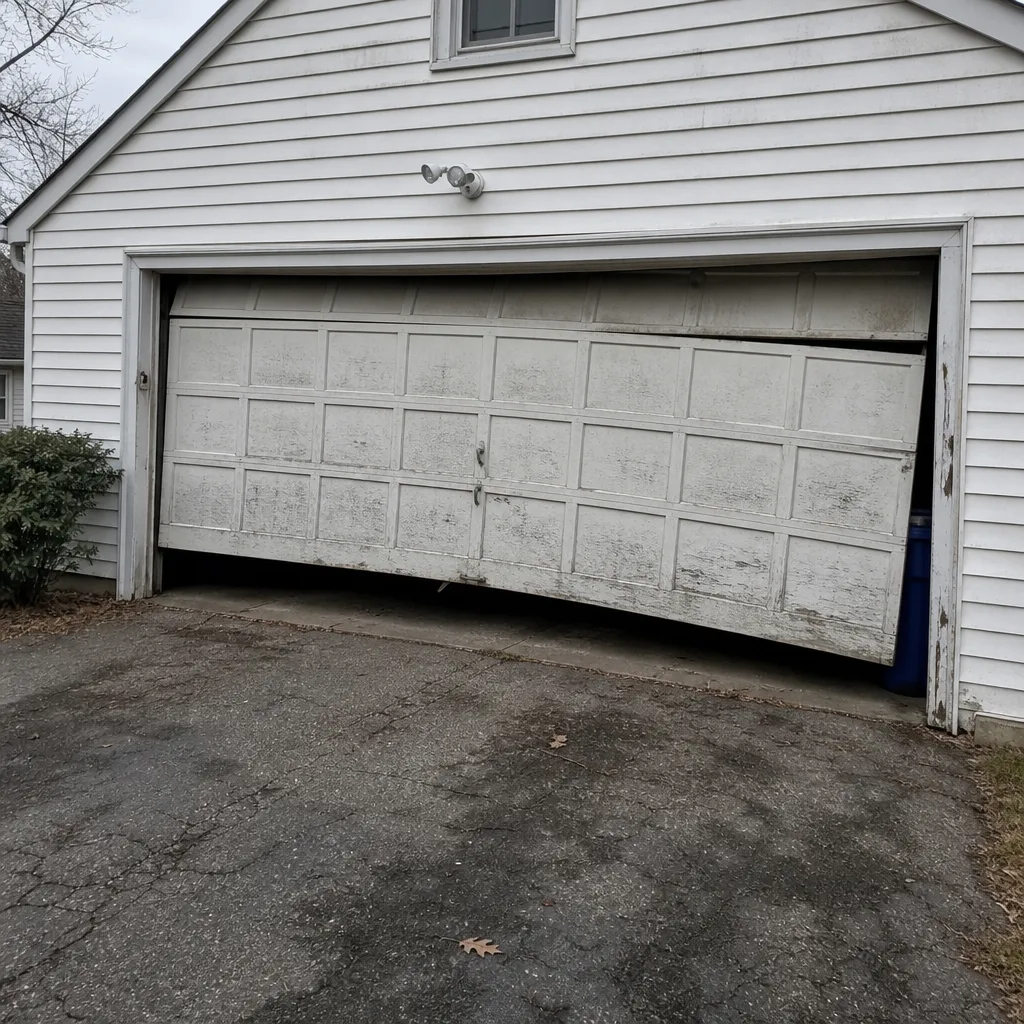 Before
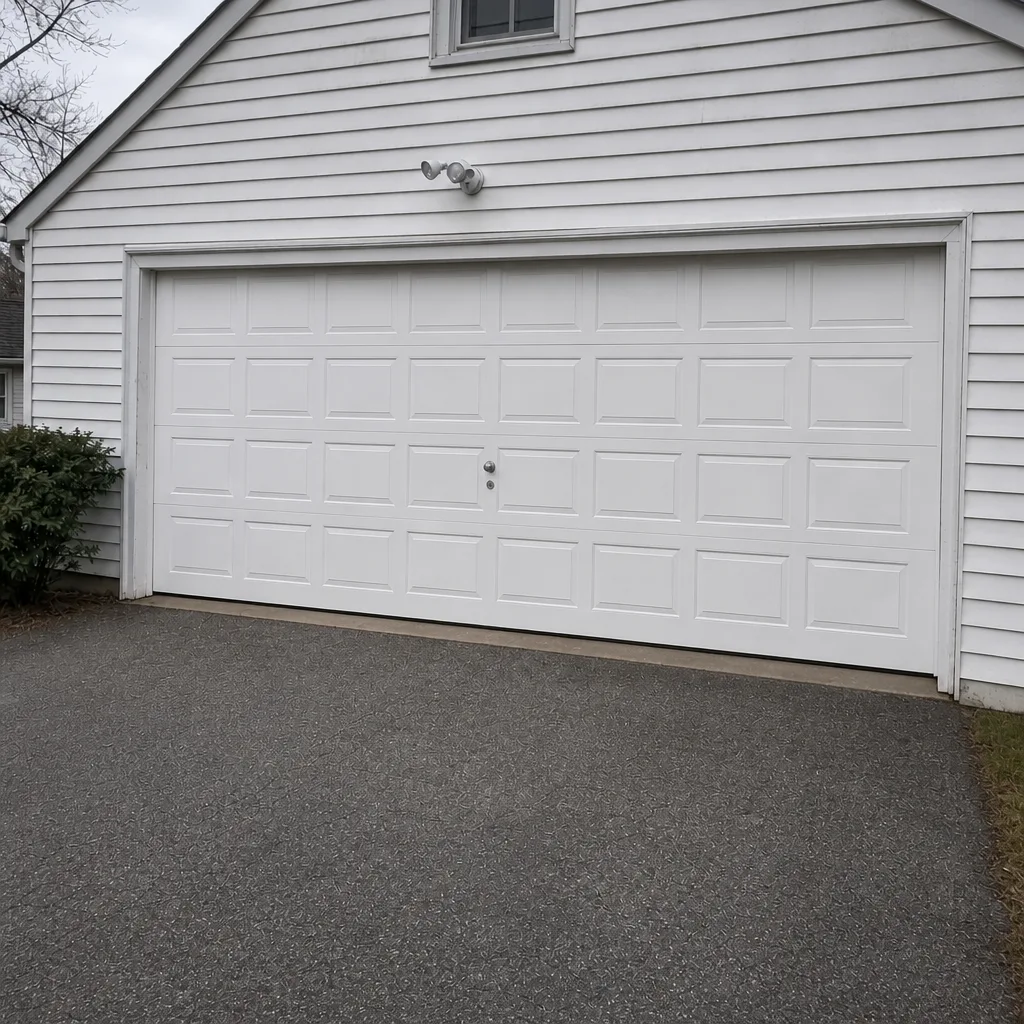 After
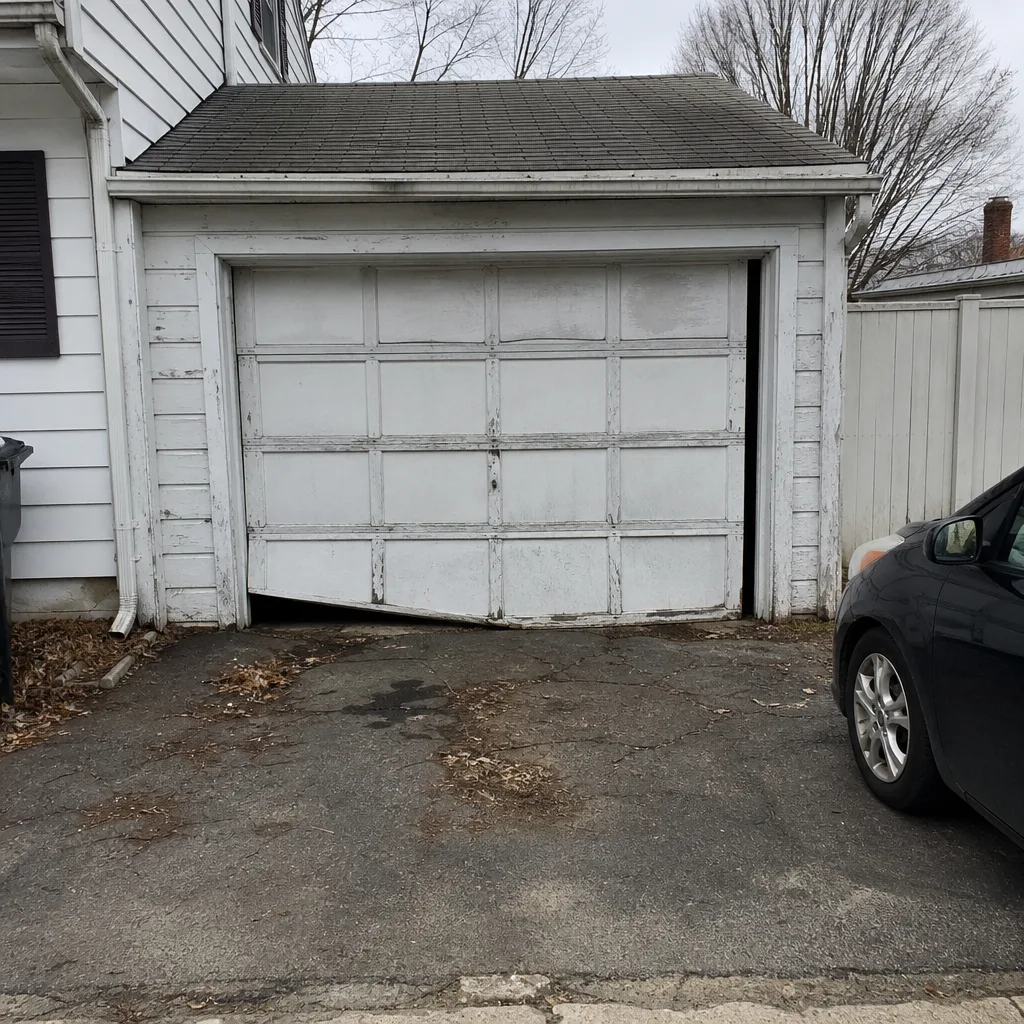 Before
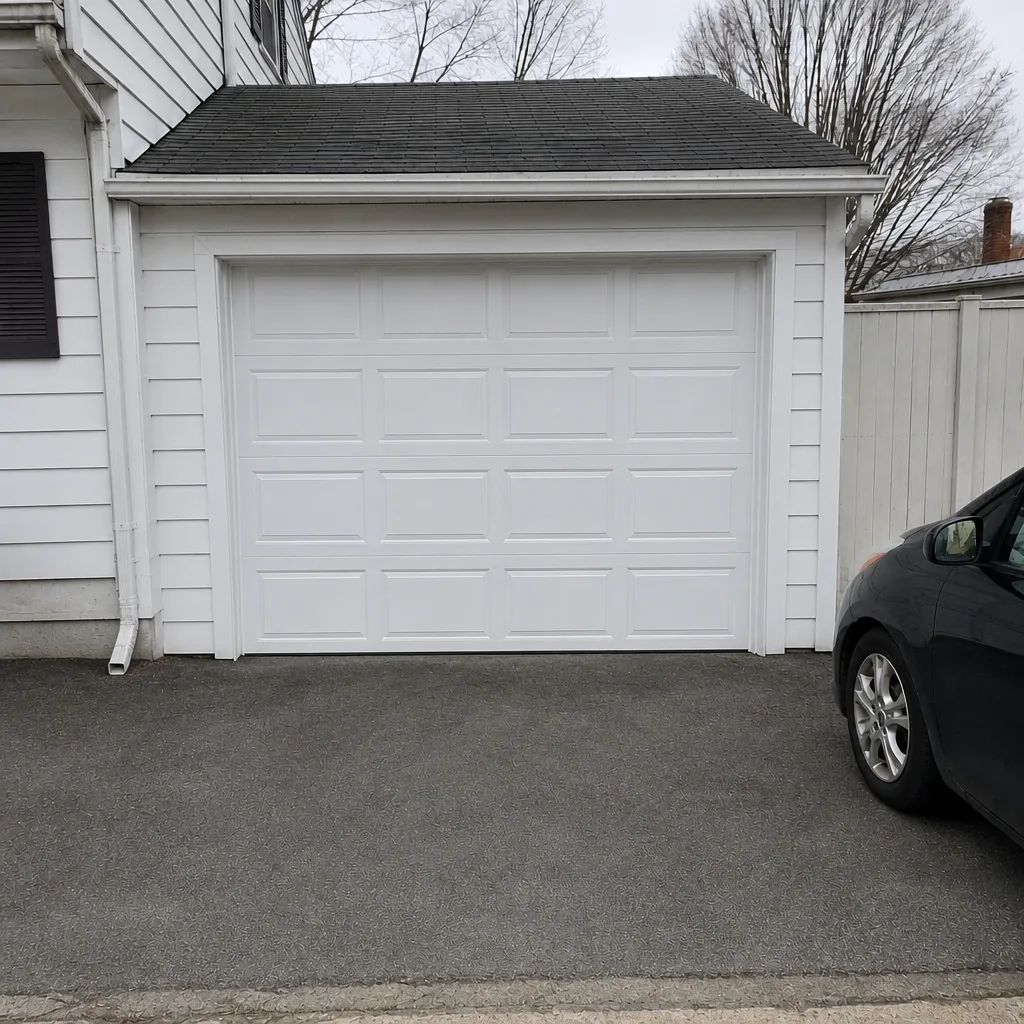 After
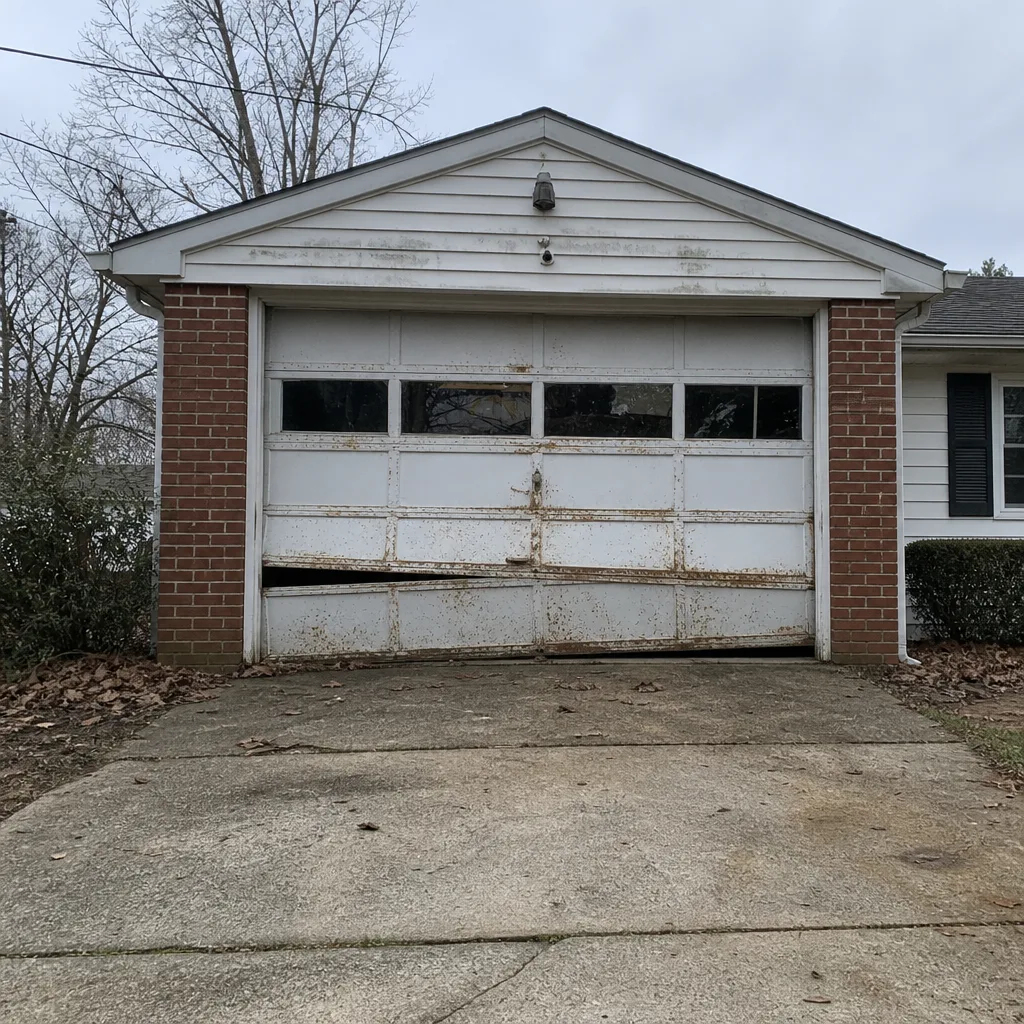 Before
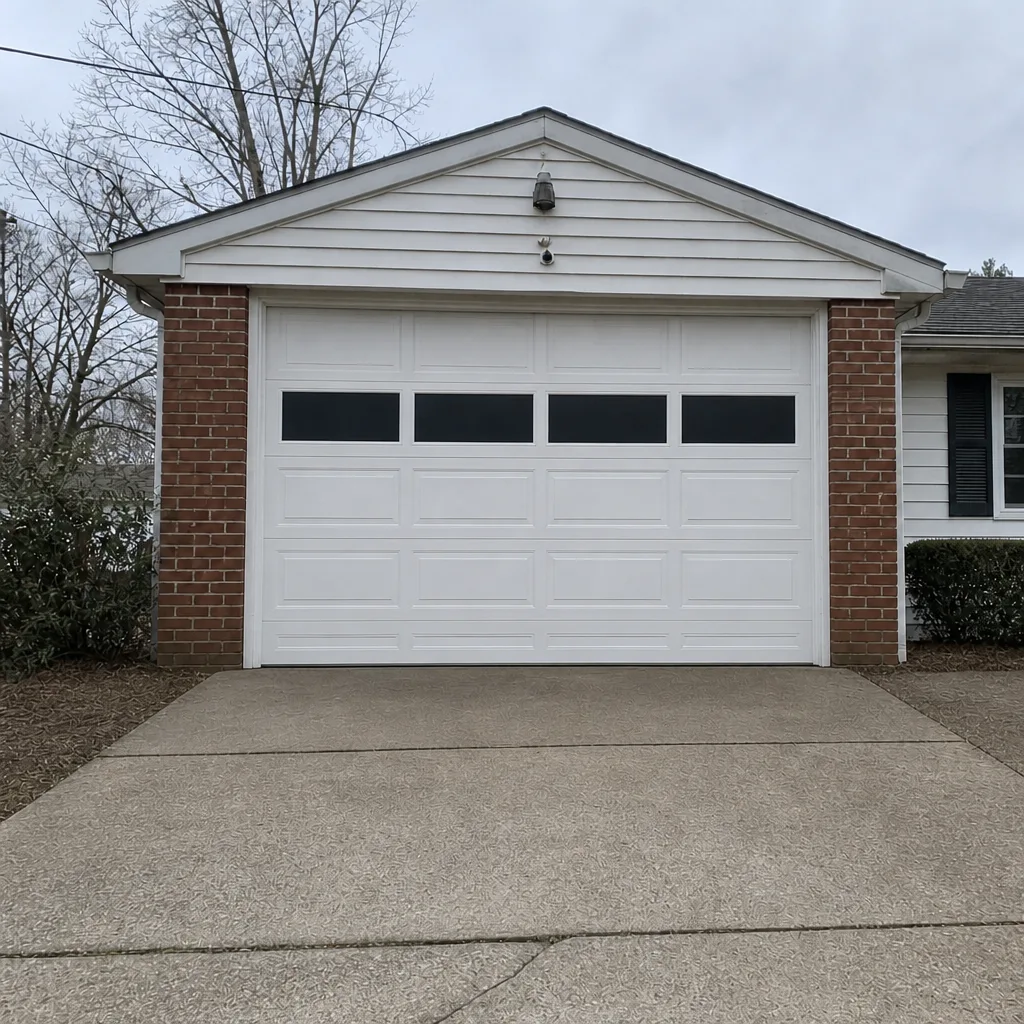 After
When to Call a Professional
Call us when the door won’t open or close, when a spring snaps, when the door is visibly out of alignment, or when the opener is doing something it shouldn’t. We also want the call when you’re weighing a replacement, because the permit question is part of that conversation and it’s better to settle it in advance than after the door is ordered. We work on springs as a specialized service rather than as a generalist task, because the tensioned assembly is genuinely dangerous and not a job for a handyman or a homeowner with a toolkit.
Haverhill Garage Door Repair Pros offers free estimates in Haverhill. Call (877) 792-5986. We answer 24/7. Fast dispatch from 7am to 7pm, Sunday through Friday, and we’re closed on Saturday. The price you agree to before work starts is the price, and the written estimate sets the final number.
Whatever’s on your wall – a Chamberlain opener, a Clopay door, a Wayne Dalton setup from a previous owner – the team at Haverhill Garage Door Repair Pros works on the brands that are actually installed in Haverhill homes. You don’t need to track down a different specialist for the door and a separate one for the opener.
Frequently Asked Questions
Usually yes, if the garage is attached to your home and the door is part of the fire separation assembly. Repairs such as springs, rollers, or opener work typically don’t need a permit. Call (877) 792-5986 for an exact scope assessment before you order a door.
Yes. The state code requires that the fire separation between an attached garage and the living space be maintained, and the door is part of that assembly. A replacement door needs a documented fire rating that matches or exceeds what the assembly originally required. For a free inspection of your current door, call (877) 792-5986.
It typically surfaces during a home sale, an insurance review, or a buyer’s inspection. The fix is usually a retroactive permit, an inspection, and possibly a correction if the door doesn’t meet current code. If you’ve inherited a door without documentation, call (877) 792-5986 and we’ll help you sort out what’s actually on your wall.
It can, because the door is part of the fire separation assembly on attached garages and some insurers ask for permit history on major exterior components. A closed, documented permit removes the ambiguity. Call (877) 792-5986 to discuss a compliant installation before you commit to a door.
If the panels are structurally sound and only the springs, cables, or opener have failed, repair is usually the right call. If the panels are cracked, badly dented, or the door is out of alignment beyond correction, replacement makes more sense. This is also where the permit question starts, so an honest assessment before ordering matters. Call (877) 792-5986 for a free estimate.
Yes, the local pros we work with are licensed and insured as Massachusetts requires, and it matters because a permitted installation has to be completed by someone whose work will pass inspection and whose liability coverage is in place if something goes wrong. Call (877) 792-5986 to schedule your free estimate.
The Bottom Line
In Haverhill, garage door repair generally doesn’t require a permit, but a full door replacement often does, especially on attached garages where the door is part of the fire separation assembly. The Massachusetts State Building Code sets the threshold at the state level, and Haverhill’s building department enforces it locally. Fire-rated doors are a real code requirement, not a technicality. Unpermitted work surfaces at resale and can complicate insurance, and the fix at that point is more expensive than the original permit would have been. The paperwork from a proper install (permit, inspection sign-off, spec sheet) protects you in a sale, in an insurance review, and in a future renovation.
If you’re not sure where your door sits on the repair-vs-replace line, or whether the door currently on your wall is documented correctly, that’s the call to make before anything else. Our technicians have up to 8 years of experience with the equipment common in Haverhill homes, and we can look at what you have and tell you honestly what it needs.
Call (877) 792-5986 for a free estimate. We answer 24/7. Fast dispatch from 7am to 7pm, Sunday through Friday, closed Saturday. The price you agree to before any work starts is the price on the written estimate.
Written by the team at Haverhill Garage Door Repair Pros.