
Last updated November 22, 2026
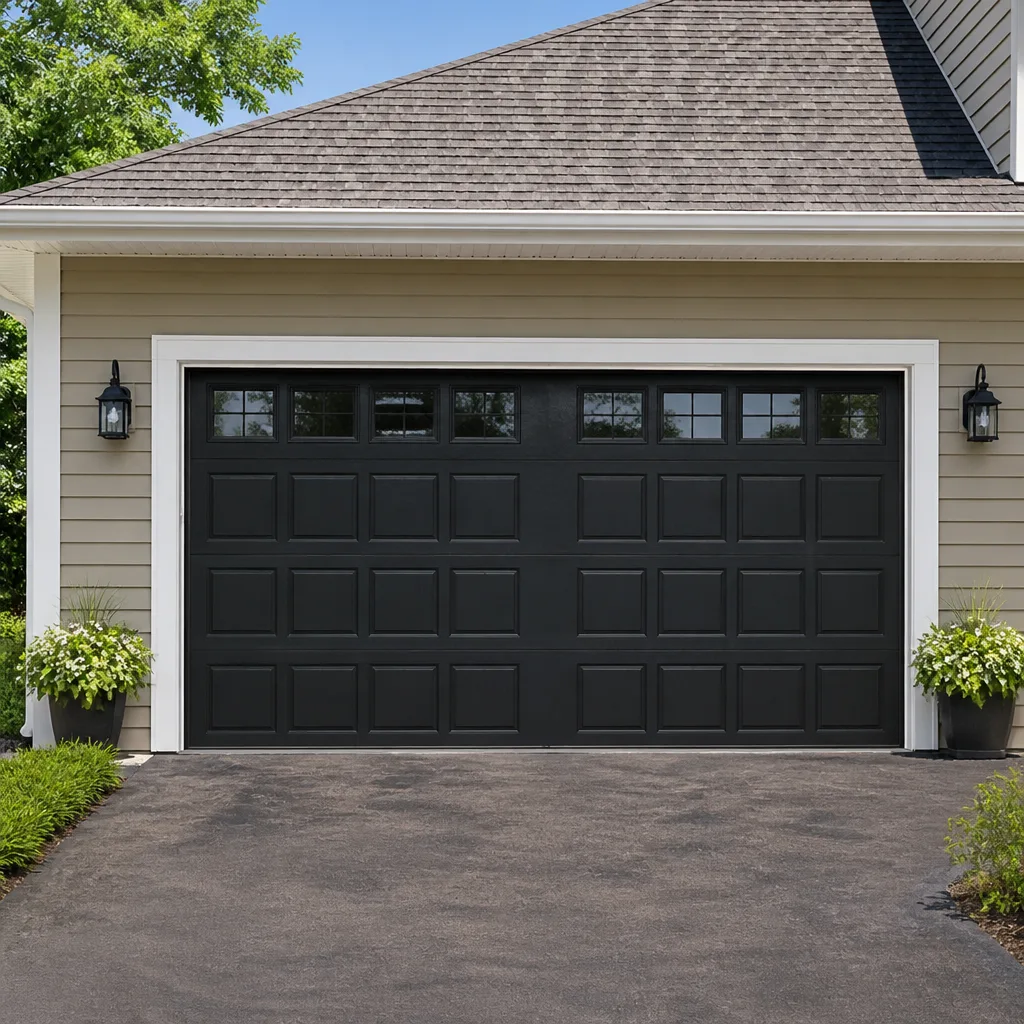 Raised-panel steel
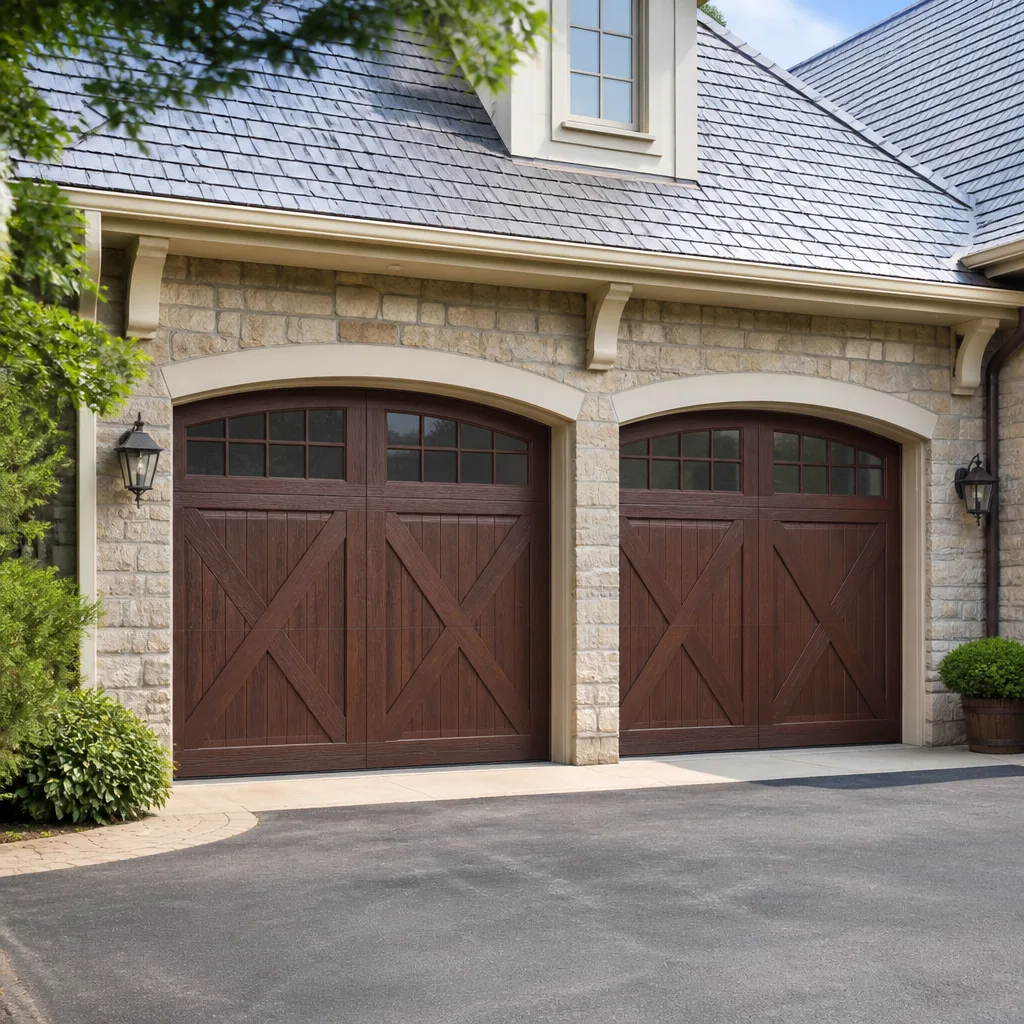 Carriage house
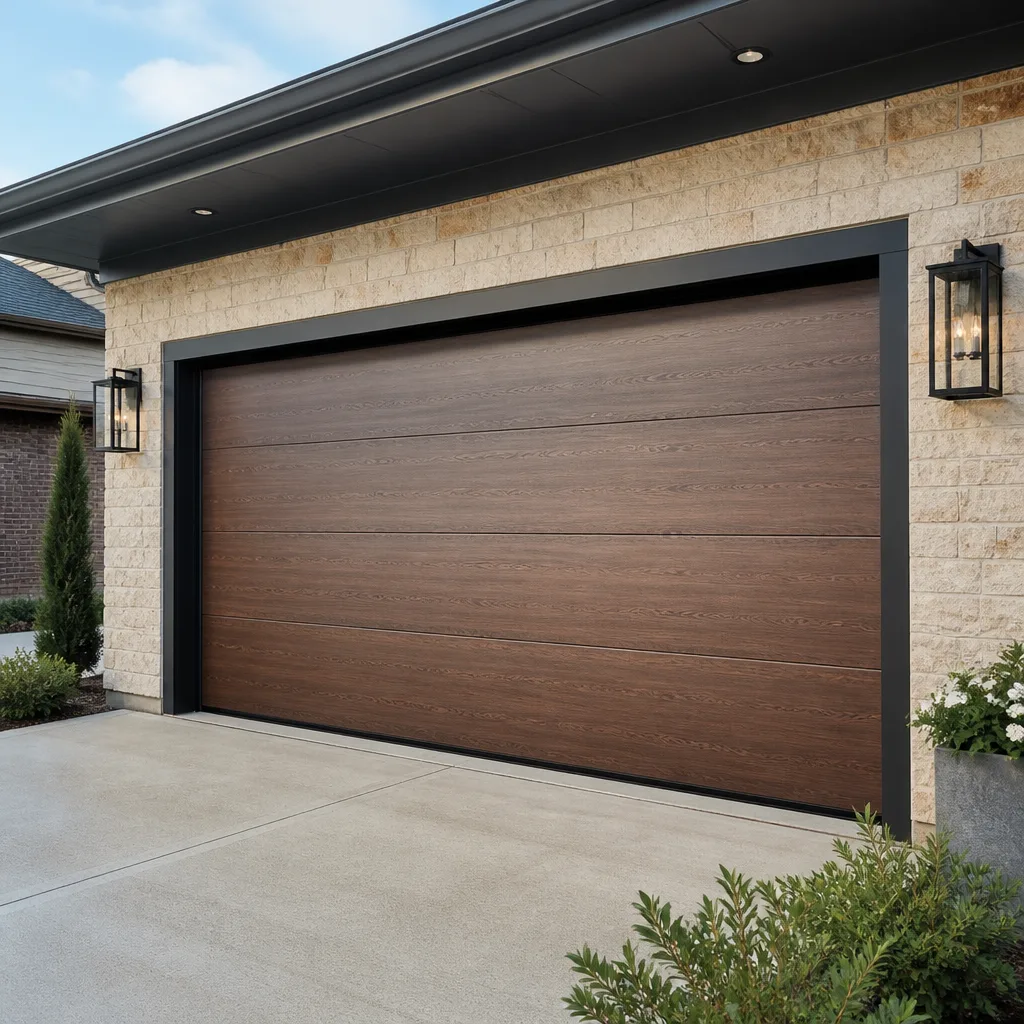 Modern flush
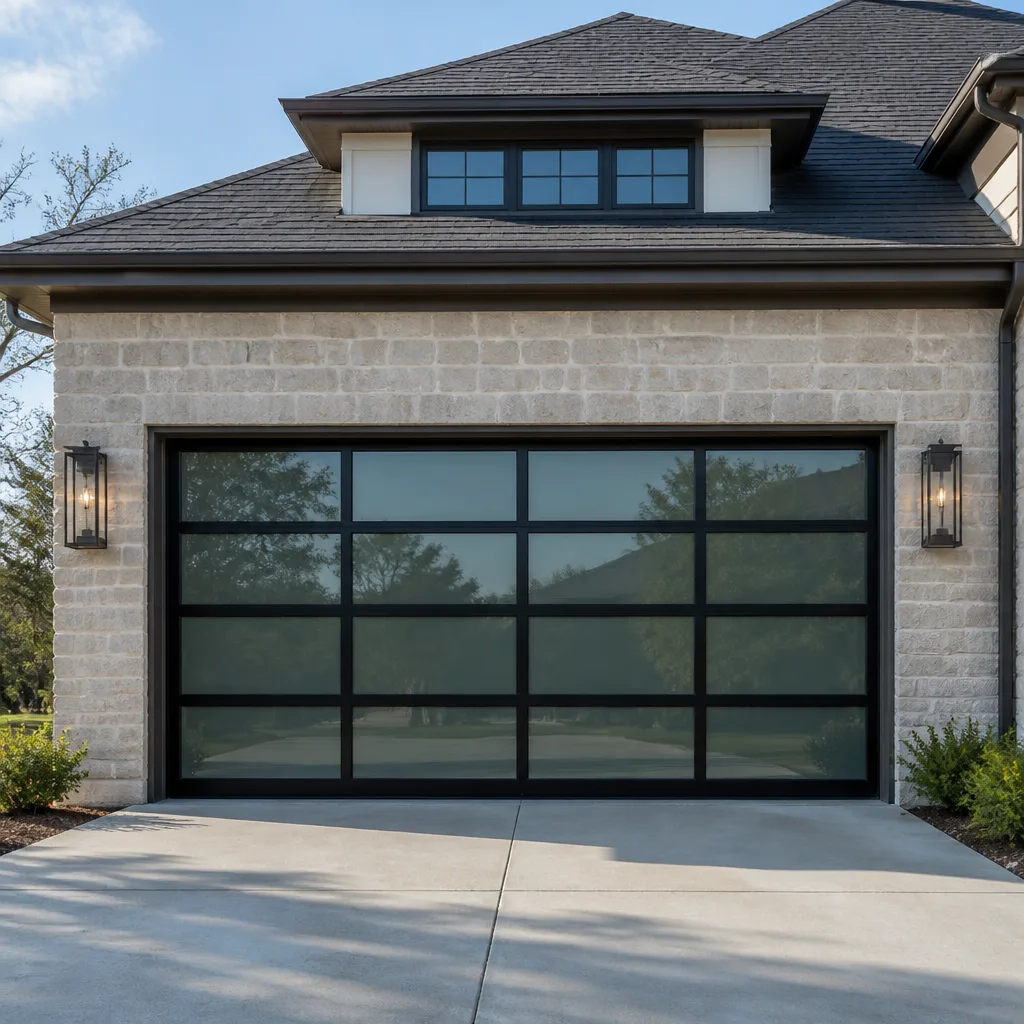 Full-view glass
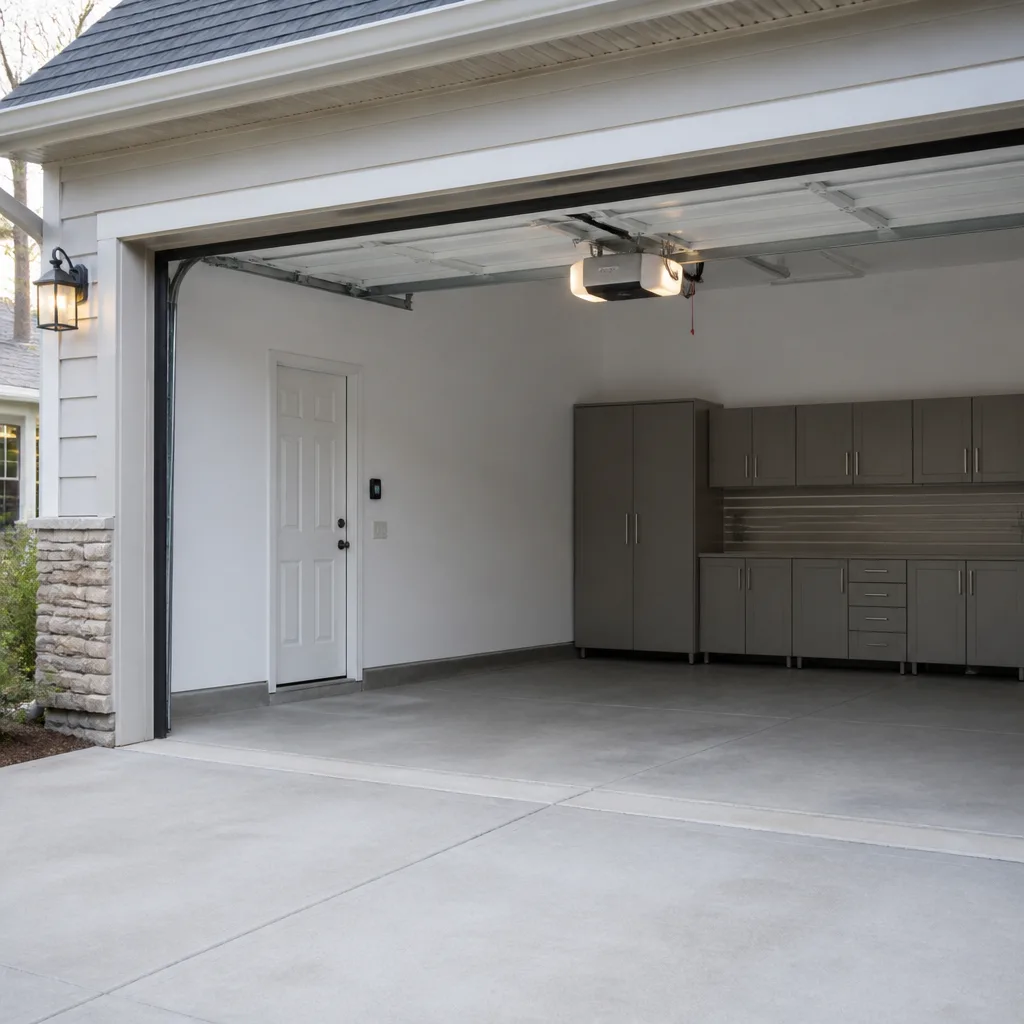 LiftMaster openers
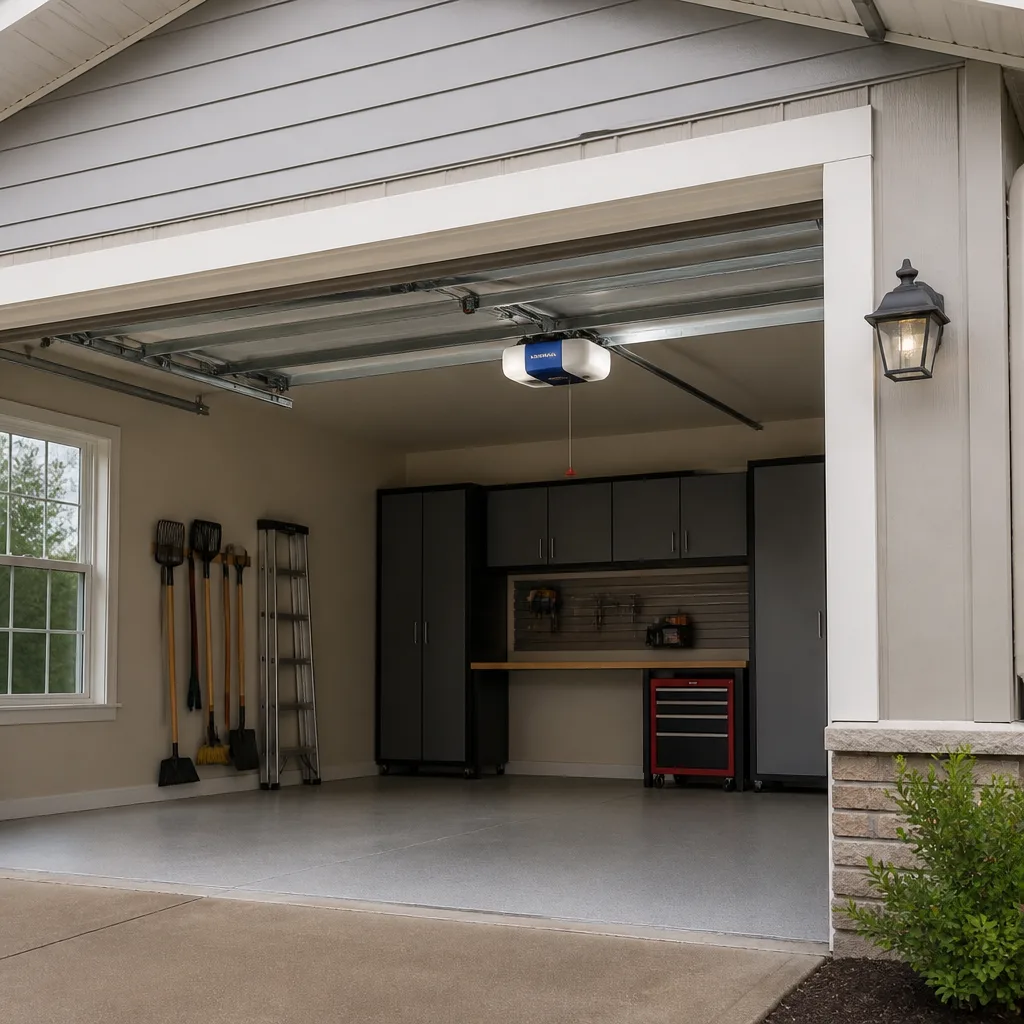 Chamberlain openers
Full 25-point door and opener safety check with every visit - springs, cables, rollers, tracks, and your LiftMaster or Chamberlain opener included
You get a price before we start. It does not change when the pro arrives.
Get your free estimateDIY vs Professional Garage Door: The Haverhill Homeowner’s Decision Guide
Most homeowners who get hurt working on a garage door didn’t take a foolish risk. They took a reasonable-looking one. Torsion springs store enough energy to cause serious injury even when the door is closed and the spring looks completely slack, and that gap between how safe it looks and how dangerous it is causes a large share of the roughly 20,000 garage door-related ER visits Americans make each year. So this guide doesn’t ask how confident you feel. It draws the line task by task, component by component. By the end you’ll know exactly which Haverhill garage door jobs are genuinely yours to handle, which ones aren’t, and how to tell when a project you started has quietly crossed that line.
Quick Answer
Lubrication, photo-eye sensor alignment, and remote or keypad programming are real DIY jobs that most Haverhill homeowners can finish in under an hour with basic tools. Torsion springs, extension springs, lift cables, and track realignment are not, because those parts hold stored or suspended force that releases instantly and unpredictably. Anything involving a door that has come off its tracks, a snapped cable, or a visible gap in a spring coil belongs with a trained technician, full stop.
Styles & brands we work with
- Raised-panel steel
- Carriage house
- Modern flush
- Full-view glass
- LiftMaster openers
- Chamberlain openers
Table of Contents
- A Task-by-Task Breakdown: What’s Actually DIY
- Why Springs and Cables Sit on the Other Side of the Line
- What DIY Actually Requires: Tools, Time, and Real Cost
- Warranty Implications of Self-Repair
- How to Tell You’ve Crossed Into Professional Territory
- Haverhill Conditions That Change the Decision
- When a Temporary Fix Is the Wrong Call
- Common Mistakes to Avoid
A Task-by-Task Breakdown: What’s Actually DIY
The DIY question isn’t one question. It’s a dozen smaller ones, and the answers vary from “go ahead, it’s fifteen minutes” to “put the wrench down.” Here’s how we sort it when the jobs come in.
Genuinely DIY-friendly
- Lubrication. Hinges, rollers, and the torsion tube benefit from a garage-door-specific lubricant once or twice a year. This is the single best thing you can do to extend the life of the door, and it takes ten minutes.
- Photo-eye sensor alignment. If the door reverses for no clear reason, look at the two small sensors at the bottom of the tracks. Nudge them until the indicator lights stop blinking. Clean the lenses while you’re there.
- Remote and keypad programming. Pairing a new remote or changing a keypad code is a manual-and-patience job, nothing more. This applies to LiftMaster, Chamberlain, and most other openers.
- Visual inspection. Standing back and looking at the door as it opens and closes can tell you a lot: wobble, uneven travel, a roller that’s coming loose. Looking is always free.
- Replacing the opener’s light bulbs and battery backup. Straightforward, with the opener unplugged first.
Not DIY, and it isn’t close
- Torsion and extension spring replacement. The most dangerous job in the trade. Covered in detail below.
- Cable replacement. Cables are under constant tension and can whip when they fail.
- Track realignment. A bent or knocked-out track looks like a hammer-and-pry-bar job. It’s a geometry problem, and forcing a track back into place usually damages the door panels.
- Panel replacement. One misaligned panel can throw the whole door off balance and put strain on the springs, opener, and hinges.
- Opener replacement and drive-system work. Getting a new opener mounted and tuned to your specific door takes more than wiring knowledge, and the tuning is where most of the work lives.
- Anything on a door that’s off its tracks. A door hanging by one roller is one good gust from coming down. Keep people and cars away and call.
Why Springs and Cables Sit on the Other Side of the Line
A torsion spring is a wound-up coil of steel holding the entire weight of the door in tension. When you look at it on a closed door, it seems inert: no movement, no noise, no obvious pressure. That appearance is the danger. The stored energy doesn’t go anywhere until something releases it, and when it does, it releases in a fraction of a second.
Extension springs sit over the door on their own cables, and without the correct containment in place they can fail violently. Either style is a component that requires specific tools just to release safely, and even the process of releasing one safely takes practice with a winding bar. That’s why spring repair isn’t a task we hand to a generalist or recommend to a homeowner: it’s a named, safety-critical job and should be treated as one. Our garage door spring repair service exists specifically for this because a mismanaged spring is the single fastest way to get seriously hurt working around a house.
What the danger actually consists of
- Stored tension. A spring can store the weight of the door several times over. That’s the point of it.
- No warning sign. A failing spring may still look intact right up until it lets go.
- Winding bars and release. Releasing tension safely is a mechanical procedure, not a matter of turning a bolt and hoping.
- Cables that follow. When a spring fails, the cable it’s attached to can move fast and unpredictably.
Our advice on springs is simple: don’t. Watch for the signs (a bang, a door that suddenly won’t lift, a gap in a coil, a door that’s noticeably heavy) and keep the door shut until a technician arrives. For anything else on the door’s mechanics, our garage door repair page covers what typically falls under repair work. If the opener itself has gone quiet or the door only responds to the wall switch, that’s a different system and lives on the garage door opener repair side of the house.
What DIY Actually Requires: Tools, Time, and Real Cost
Willingness isn’t a plan. Before you decide a job is yours, do an honest inventory of what’s in your garage. The tools matter as much as the confidence, and if you have to buy them for a one-off job, the math changes.
What a real DIY job looks like
- Lubrication: a can of garage-door lubricant and a rag. Under $15 and stays useful for years.
- Sensor alignment: a screwdriver and five minutes. Free if you own the screwdriver.
- Remote programming: the opener manual, a ladder, and a pen.
- Minor hardware tightening: a socket set and a wrench.
What a job that looks DIY but isn’t actually requires
- Proper winding bars sized to your spring, not just a screwdriver that happens to fit.
- C-clamps to lock the door in place on the track if you touch the torsion system at all.
- A second person to hold panels or the door while you work.
- Actual knowledge of your specific door. Weight, spring type, and panel construction all matter, and the label on the door isn’t always accurate if the door has been modified.
Prices for the right tools vary, but the point is simpler: if the tools alone cost more than a service call would, and you’re likely to use them once, the DIY math doesn’t work. That calculation runs the other way for lubrication, sensor adjustments, and remote setup, which come up repeatedly and cost almost nothing.
Warranty Implications of Self-Repair
Self-repair on a door or opener still under manufacturer coverage can quietly void it. Most manufacturers’ warranty terms exclude damage caused by improper installation, adjustment, or repair, and a technician can usually tell what’s happened. A door that’s been adjusted with improvised tools and left with a bent hinge or a marred track has a visible history.
Where this bites homeowners
- A new door covered by a manufacturer warranty. Spring adjustments and panel work done without the right tools can put the door out of coverage.
- A recent opener install. Wiring or drive-system meddling on a new LiftMaster or Chamberlain unit can void the opener portion of coverage separately from the door.
- A door still under the installer’s workmanship coverage. If you’ve done follow-up work yourself, the installer can reasonably say the problem started there.
If your door or opener is new enough that you still have the warranty paperwork, that’s one more reason to let a technician handle anything beyond routine maintenance. If you’re not sure what’s still covered, a free estimate is a good way to find out what you’re working with before you take a wrench to it. The team at Haverhill Garage Door Repair Pros has worked on doors across every major brand, and part of the job is being upfront about whether repair still makes sense or a replacement is the better spend.
How to Tell You’ve Crossed Into Professional Territory
Most garage door injuries happen mid-project, not at the start. A homeowner begins something simple, the door reacts in a way they didn’t expect, and the instinct is to fix it faster. Here’s how to spot that moment and stop.
- The door won’t stay in position. If it drifts or drops when you let go, stop and hold it there. That’s a sign the springs or cables are involved.
- You’ve removed something and the tension didn’t change. If you’ve taken weight off the door and nothing moved, there’s stored force you didn’t account for.
- You hear a snap, pop, or bang. Stop, step away from the door, and don’t operate it further.
- The door has left its tracks. A door hanging off its tracks is the most dangerous state a door can be in. Keep everyone back and call us.
- You’ve bent or damaged a component, even slightly. A little deformation becomes a big problem under load. It’s not a “bend it back later” situation.
- You’re reaching for a tool that wasn’t on your list. If the job has already changed shape, it’s changed enough to call.
What to do when you hit one of these
Keep the door closed if you can, don’t run it with the opener, and don’t try to “test” it to see if it’s fine. Call (877) 792-5986. We answer 24/7, with fast dispatch from 7am to 7pm, Sunday through Friday. Emergency garage door service is a real part of what we do, which means a door that won’t close at a Haverhill home on a cold Sunday morning gets booked, not bounced. And for the record: the price is quoted and agreed before any work starts, so there’s no surprise bill waiting on the other side of a call like that.
Haverhill Conditions That Change the Decision
A Haverhill garage door leads a harder life than a door in a milder climate. Cold winters work the springs and the door’s moving parts through hundreds of expansion and contraction cycles, and the freeze-thaw rhythm through spring does the same. This isn’t a regional exaggeration; it’s why routine maintenance pays off more here than most homeowners expect.
Where it shows up
- Stiff door travel in January. Cold thickens lubricant and hardens seals, so the door can feel heavier than it is. That extra load hits the opener and the springs.
- Springs that fail in the cold. Torsion springs are more likely to break during a cold snap, and a break in Haverhill winters usually means the door won’t open until it’s fixed.
- Photo-eye sensors and snow. Salt spray, slush, and a plow’s snow bank can foul a sensor or knock it out of alignment. This is a genuinely DIY fix, but the frequency catches people out.
- Water pooling at the door base. Older Haverhill homes near the Merrimack and in the Bradford and Mount Washington neighborhoods sit on lots where spring runoff collects near the door. If that happens, mention it. It’s a factor in what’s happening at the bottom of the door.
- Tracks that move with the house. Older construction and shifted foundations can knock a track out of alignment over the years, and that’s a technician’s job to correct.
None of this changes the spring rule, but it changes how often a Haverhill door needs looking at. A yearly visual inspection and a couple of lubrications in fall and spring are the two best cheap habits you can build.
When a Temporary Fix Is the Wrong Call
There are situations where the obvious workaround is more dangerous than doing nothing. Even when the fix looks straightforward, don’t improvise on these.
Do not attempt a temporary fix
- A door with a snapped torsion spring. Don’t prop it open, don’t force it up, don’t try to open it with the opener. Leave the door closed and call.
- A door hanging off one track or one roller. Wedging something under it to hold it in place is not a fix, it’s a second failure waiting to happen.
- A door with a visibly damaged cable. Do not touch it. A cable under tension can whip when it releases.
- An opener that’s straining, grinding, or smoking. Unplug the opener, leave the door closed, and call for an opener diagnosis. Continuing to run it can burn out the motor and damage the door.
- A door that’s partially open and won’t move. Don’t force it. A door stuck halfway is under unbalanced load, and pushing it can send it down.
What to do while you wait
- Keep the door closed if possible, and keep cars and people clear of the area underneath it.
- Don’t run the opener for a door that’s already struggled.
- Call (877) 792-5986 and describe what happened in plain terms: what broke, what the door did when it broke, and whether it’s open, closed, or stuck.
- If it’s open and won’t close, note whether the door is the issue or the opener is. That distinction speeds up the diagnosis.
There are also cases where the fix you’re tempted to attempt is a replacement-door decision in disguise. A door with multiple broken panels, rusted tracks, and a failing opener is often beyond where a DIY spring or cable fix makes sense. Our garage door repair team can tell you plainly which one you’re looking at.
Common Mistakes to Avoid
- Trying to release torsion tension with a screwdriver. A screwdriver isn’t a winding bar, and it’s not close. The tool can slip under load and take your hand with it. Buy the correct bars or don’t touch the spring.
- Assuming a closed door means a safe door. A torsion spring on a fully closed door is still storing the full weight of the door in tension. Closed doesn’t mean unloaded.
- Running the opener on a struggling door. If the door is straining, the opener is already working harder than it should. Continuing to run it turns a repair into a motor replacement or worse.
- Forcing a bent track with a pry bar. A bent track knocked back into place by force usually damages the door panels. Track realignment is a technician’s job for a reason.
- Replacing one spring in a pair. Matched springs are balanced to work together. Replacing one at a time means the older one fails again soon after, and the door stays unbalanced in between. This is one of the things that comes up most in our spring repair work.
- Buying a new opener without checking the door first. A door with a failing spring makes a new opener look broken. Diagnose the door before you spend money on the opener.
- Ignoring a small visual warning. A single loose hinge or a small dent in the track is exactly the kind of thing that turns into a panel or spring problem in a Haverhill winter. Check the door once a season.
See the difference
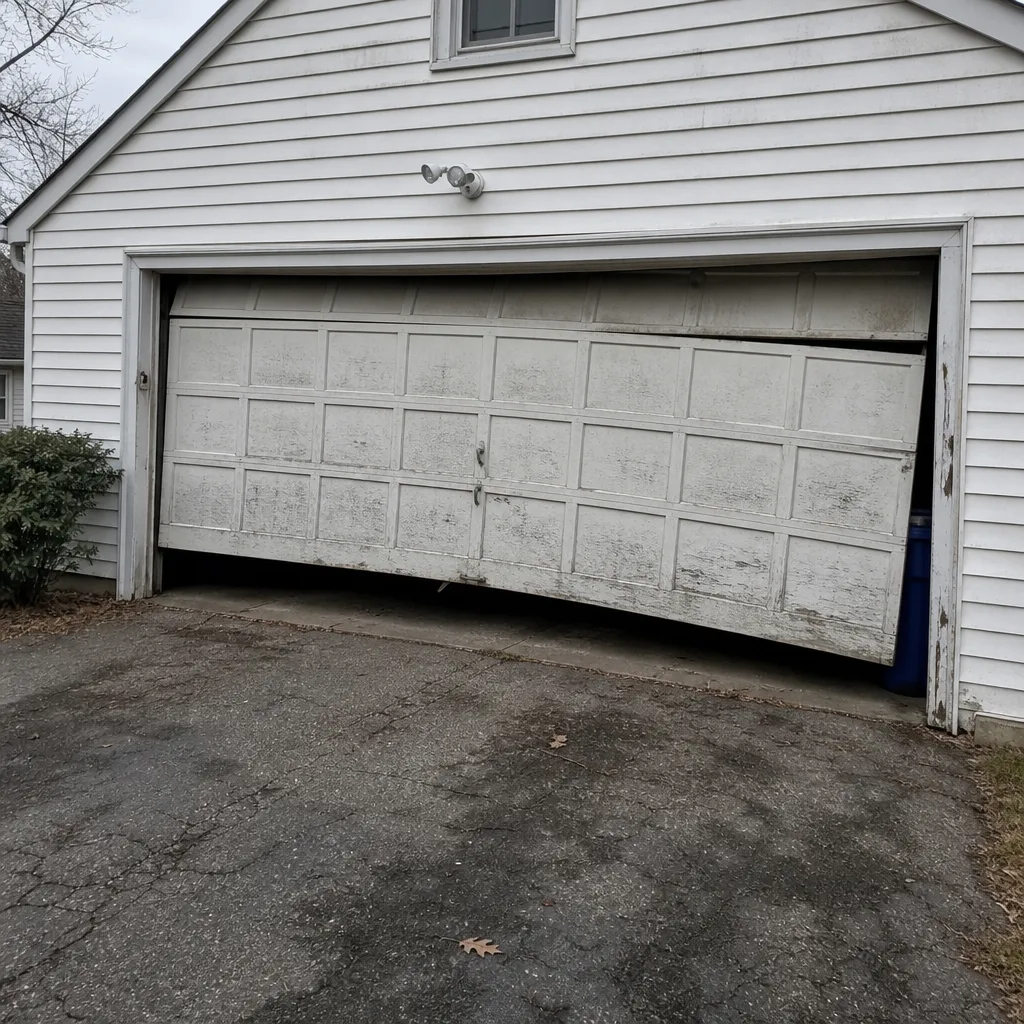 Before
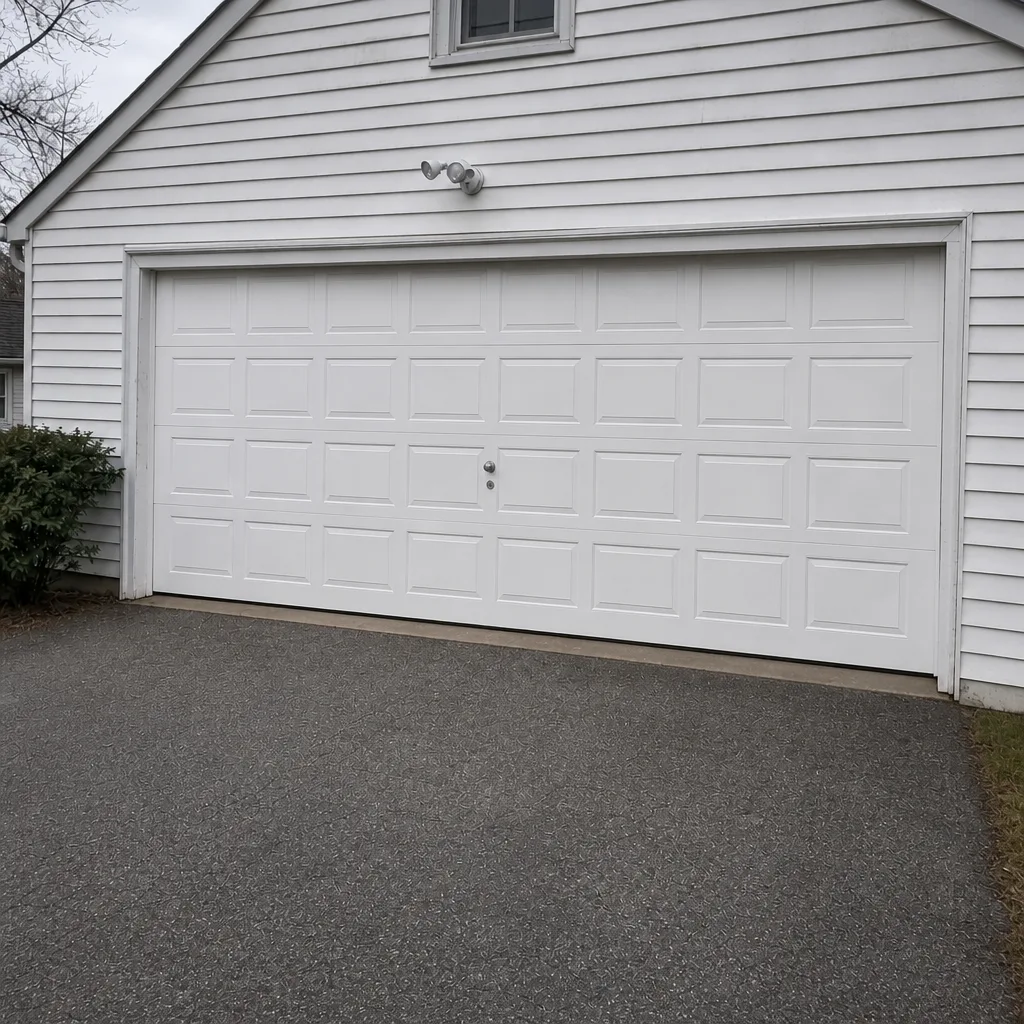 After
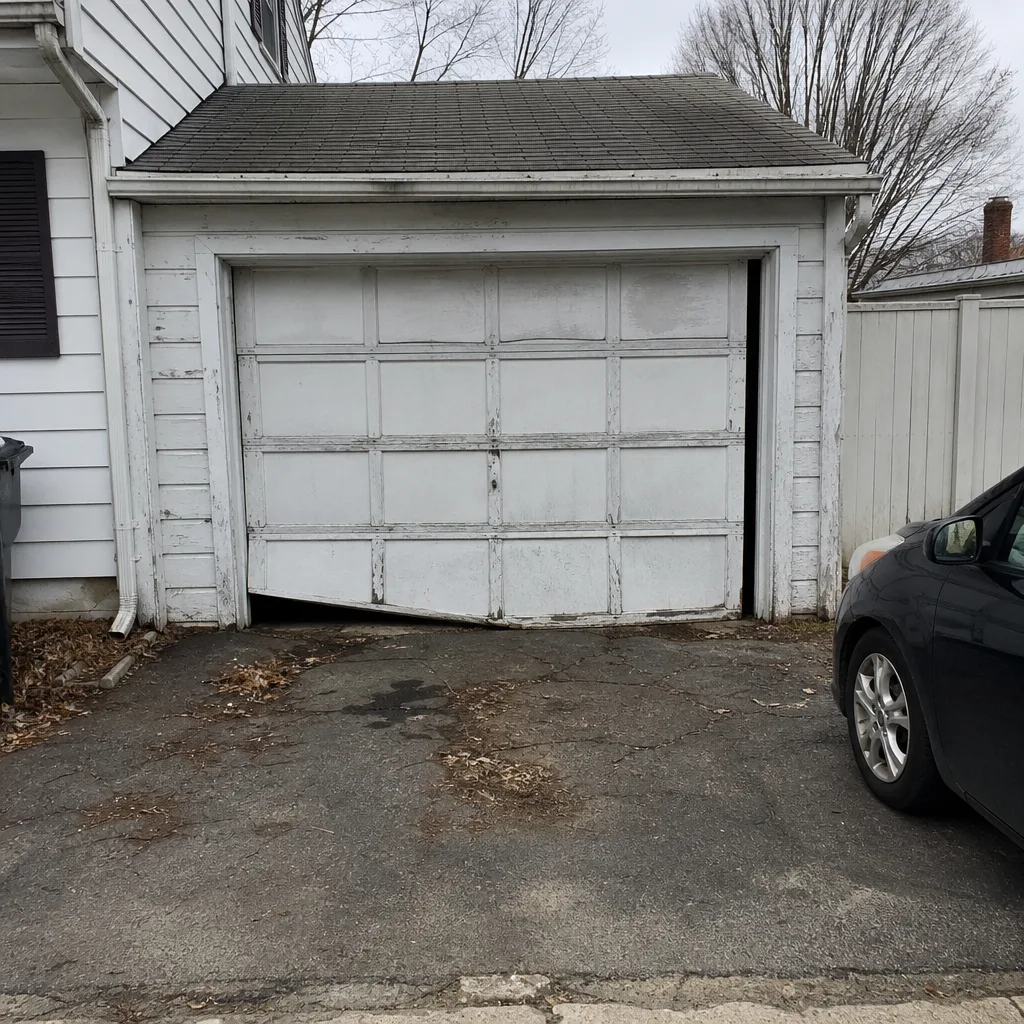 Before
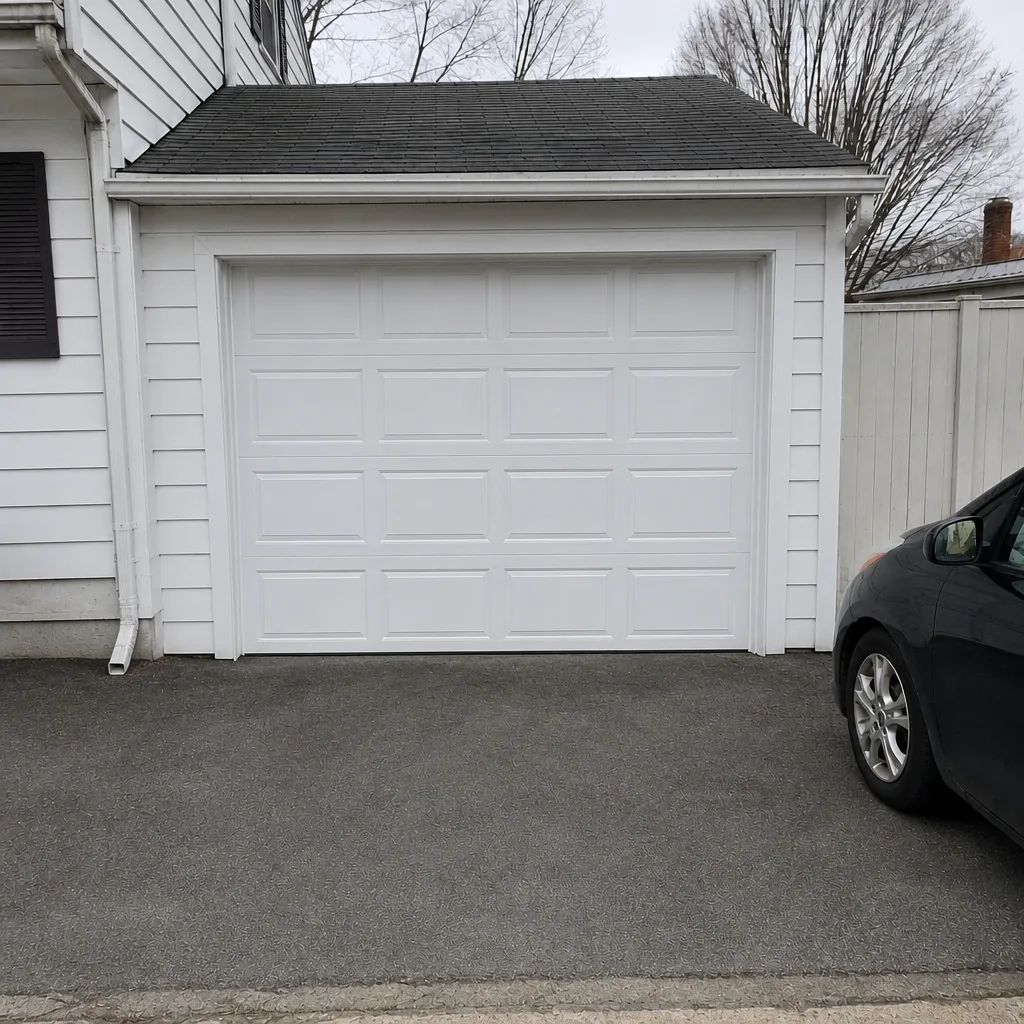 After
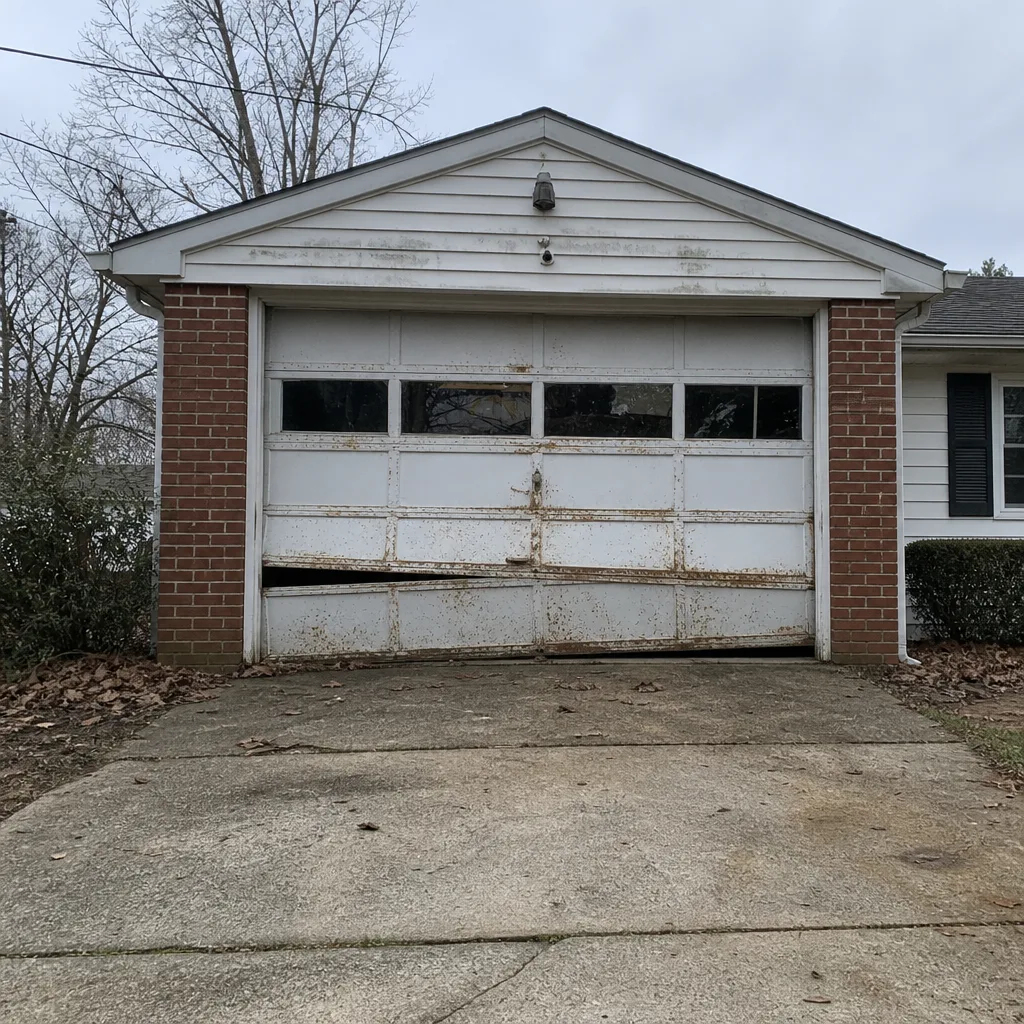 Before
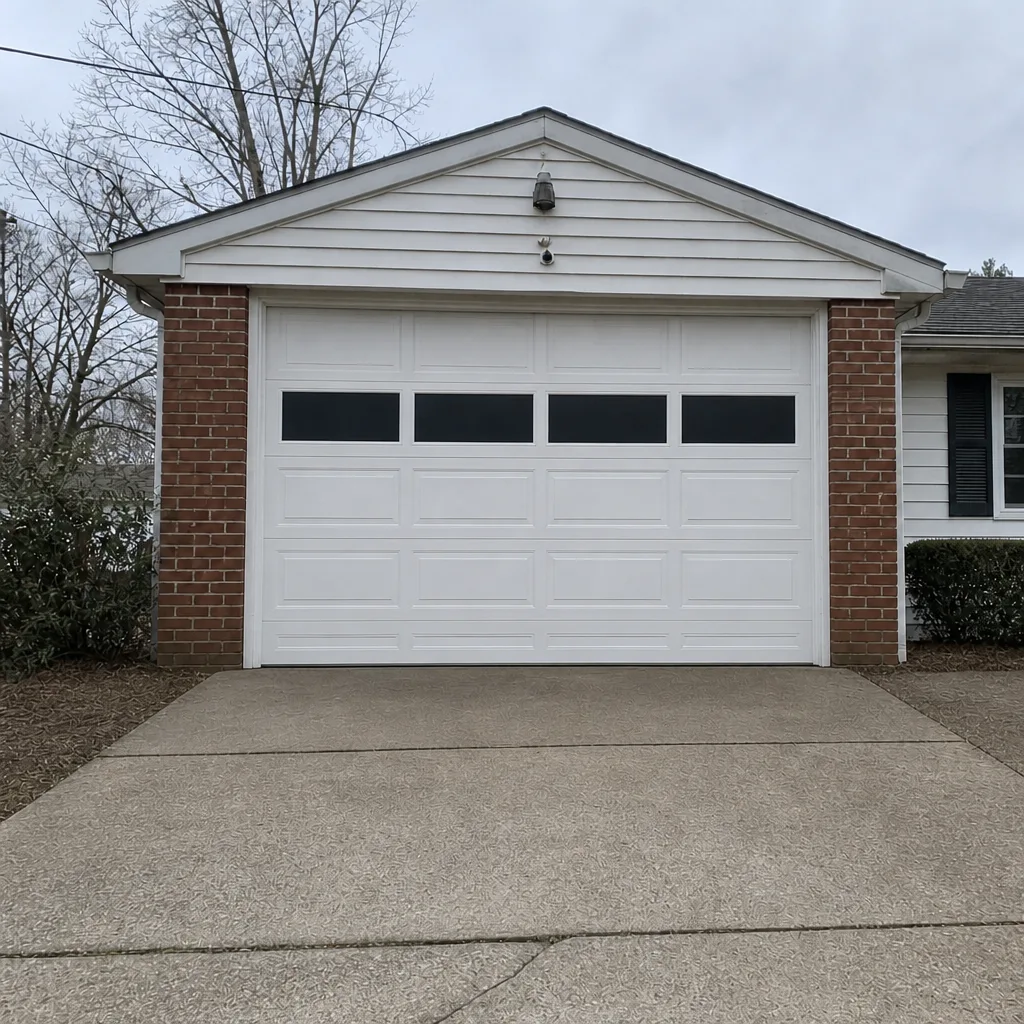 After
When to Call a Professional
Call us when the job involves springs, cables, tracks, panels, or a door that’s off the rails. Call us if you started something and hit a snap, a bang, or a door that won’t stay put. Call us if you’re not sure what’s covered under your warranty and don’t want to risk it. Call us if the door won’t close and you can’t leave your house otherwise. Call us if you’ve got a new opener that won’t pair or an old one that’s grinding. And call us if you’re close to replacing the door entirely and want an honest answer about whether repair or replacement is the better spend, because on that question we have nothing to gain from a guess either way. We work on Craftsman, LiftMaster, Chamberlain, and other major brands, so the call doesn’t depend on what’s in your garage.
Haverhill Garage Door Repair Pros offers free estimates in Haverhill – call (877) 792-5986. We answer 24/7. Fast dispatch from 7am to 7pm, Sunday through Friday. The written estimate is the price, and the price is agreed before work starts.
Frequently Asked Questions
No. A torsion spring stores the full weight of the door in tension even when the door is closed, and releasing that tension incorrectly can cause serious injury in a fraction of a second. Even the tools for the job (correct winding bars and clamps) aren’t things most homeowners own. This is the one task on a garage door we tell people never to attempt. Call (877) 792-5986 for a free estimate on spring repair – spring work is a named, dedicated service for us.
Lubrication, photo-eye sensor alignment, remote and keypad programming, light bulb and battery replacement, and visual inspection are all reasonable DIY jobs in Haverhill. Tightening a loose hinge or a slack bolt is also fine. Anything touching springs, cables, tracks, or panels isn’t, and it’s usually worth getting a quote before you buy tools for a job you’ll only do once.
It can. Most manufacturers’ warranty terms exclude damage from improper installation, adjustment, or repair, and that applies to openers as well as doors. If your door or opener is still under manufacturer coverage, the safer call is to let a technician handle it. If you’re not sure what’s covered, a free estimate is a good place to start – call (877) 792-5986.
Pricing is set per job by a written estimate, so the exact number depends on what’s actually wrong. A single broken spring is a different scope than a cable and spring repair together, or a door panel replacement. The estimate is free and quoted before work starts, so you know the price before you decide. Call (877) 792-5986 for an exact quote.
We answer 24/7, and a door that won’t close is exactly what our emergency garage door service is for. Fast dispatch runs from 7am to 7pm, Sunday through Friday, and same-day service is possible depending on the call volume. Call (877) 792-5986 and describe what happened – whether it’s stuck open, closed, or halfway there helps us know what to send.
That depends on what’s broken. A single spring, cable, or opener issue is almost always a repair. Multiple broken panels plus a failing track and a worn opener is usually closer to a replacement decision. In our experience, the honest answer on that question saves homeowners more money than any discount. Call (877) 792-5986 and we’ll tell you which one actually makes sense for your door – free estimate, no pressure either way.
The Bottom Line
The DIY question for a garage door isn’t about how handy you are. It’s about which specific component you’re touching. Lubrication, sensor alignment, and remote programming are yours. Springs, cables, and track work are not. Buy the correct tools for the DIY jobs, skip the improvisation on the mechanical ones, and know the moment a project has crossed the line before anything breaks. If the door is struggling through a Haverhill winter, call early. A small issue that’s cheap in October is a full spring replacement in January. Our technicians have up to 8 years of experience across every major brand, and the estimate is free and quoted before work starts.
Call (877) 792-5986. We answer 24/7. Fast dispatch from 7am to 7pm, Sunday through Friday. Free estimates on repair, spring repair, opener service, and replacement.
Written by the team at Haverhill Garage Door Repair Pros.